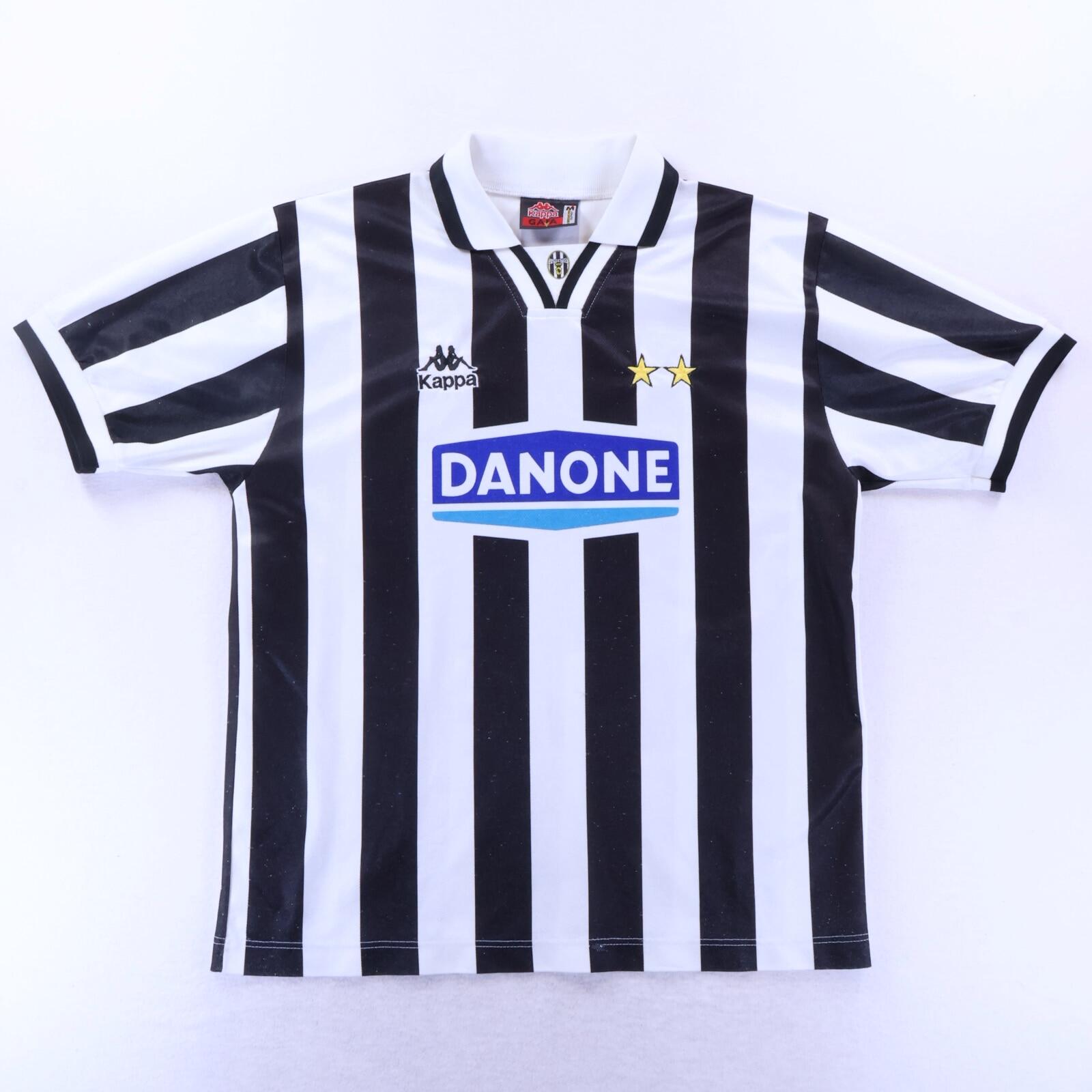
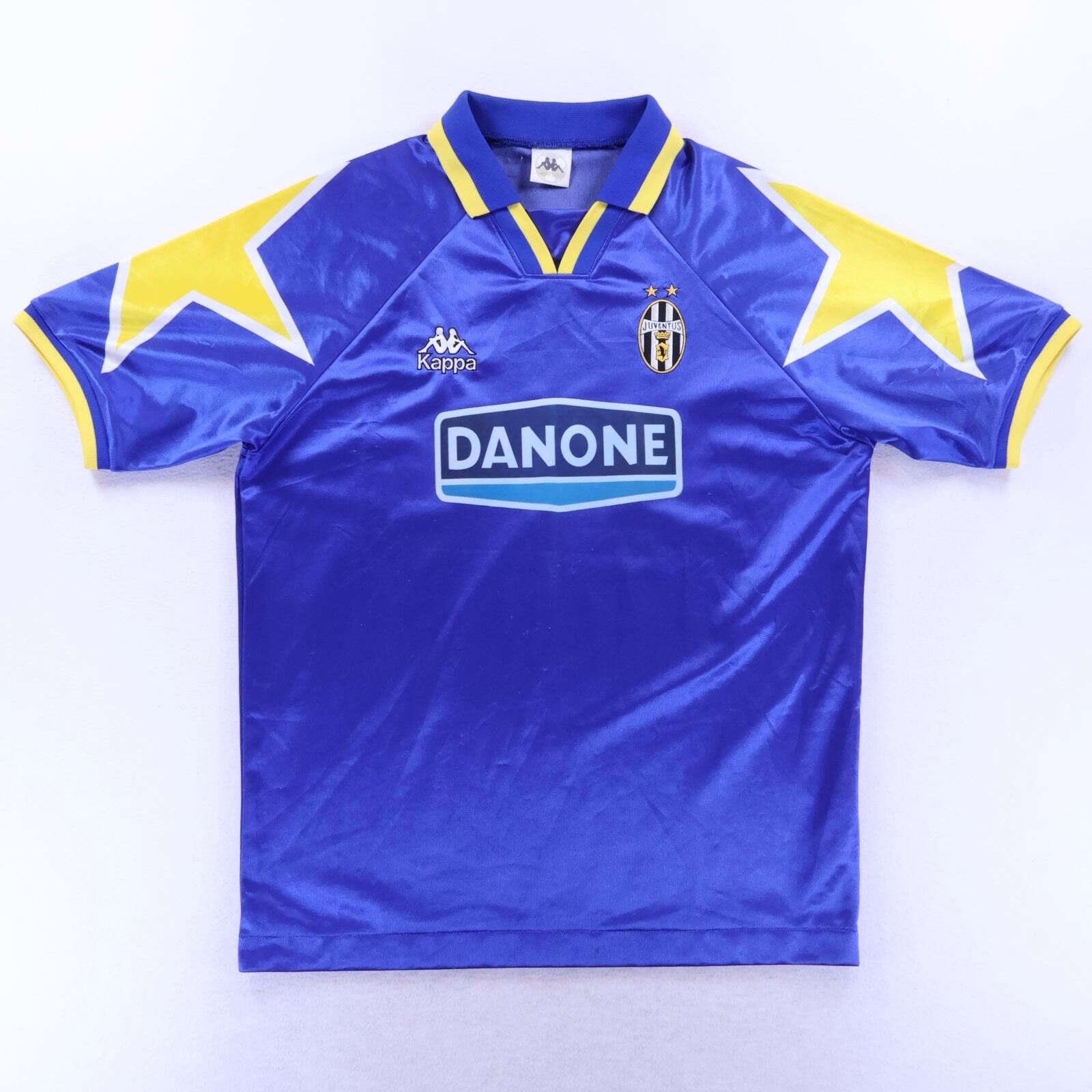
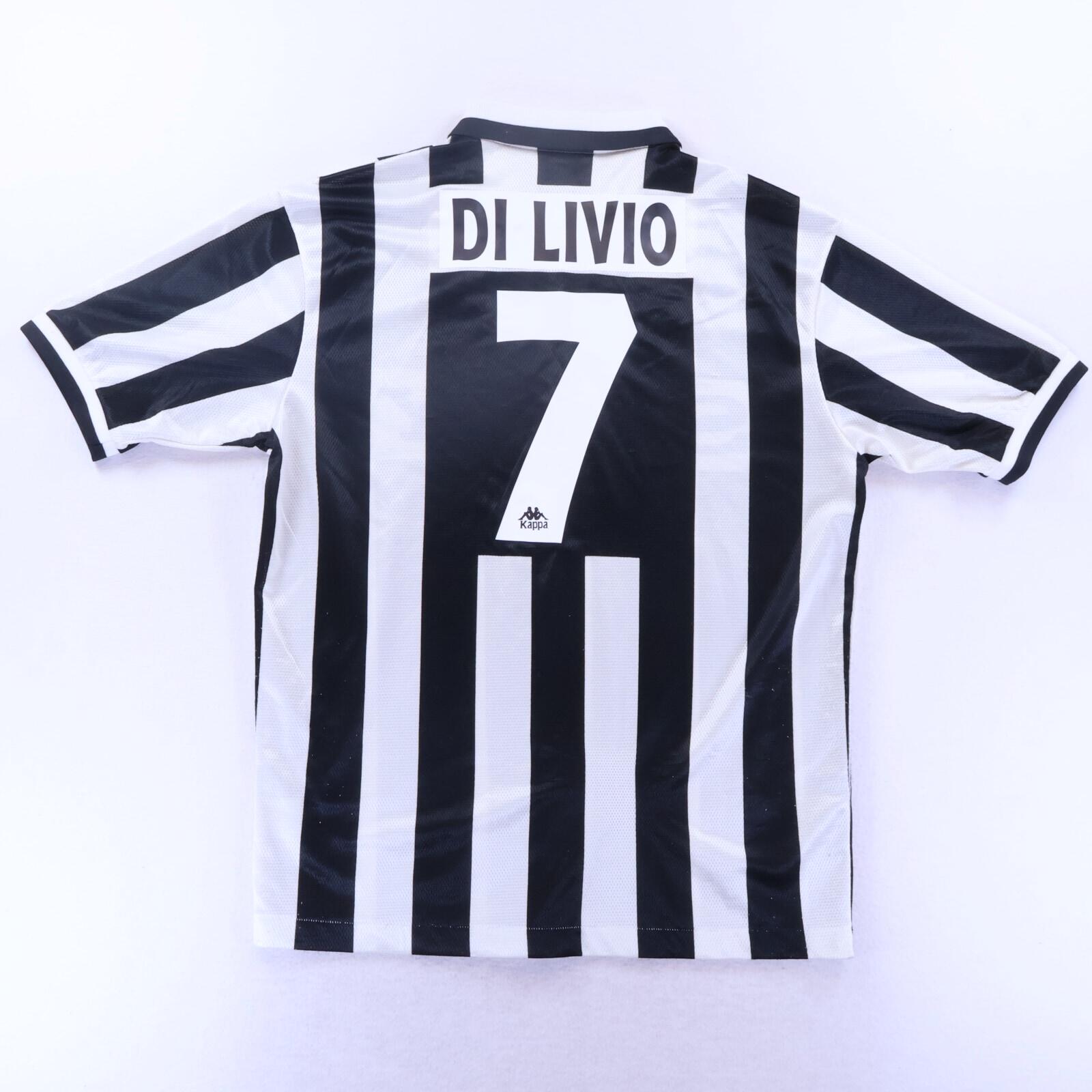
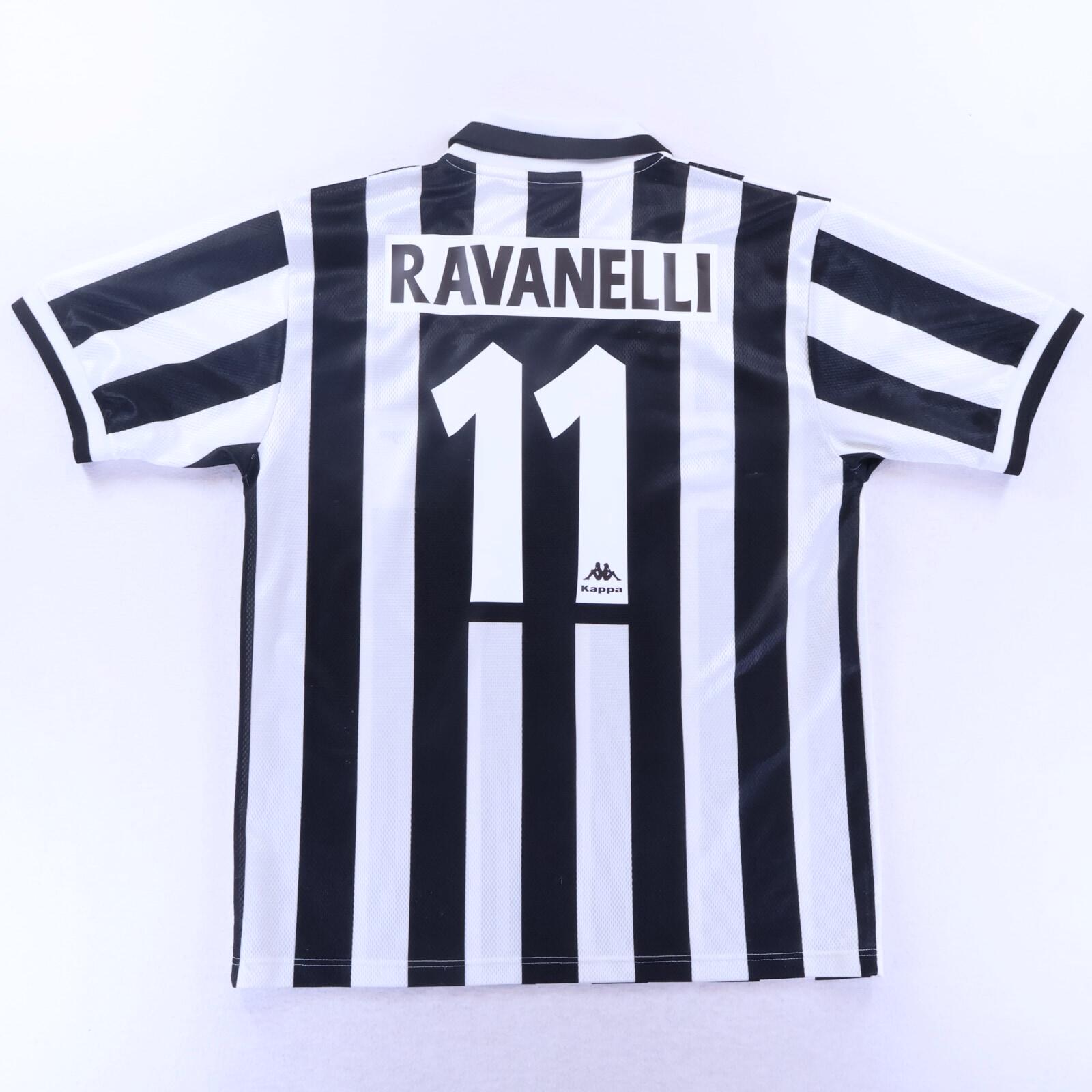
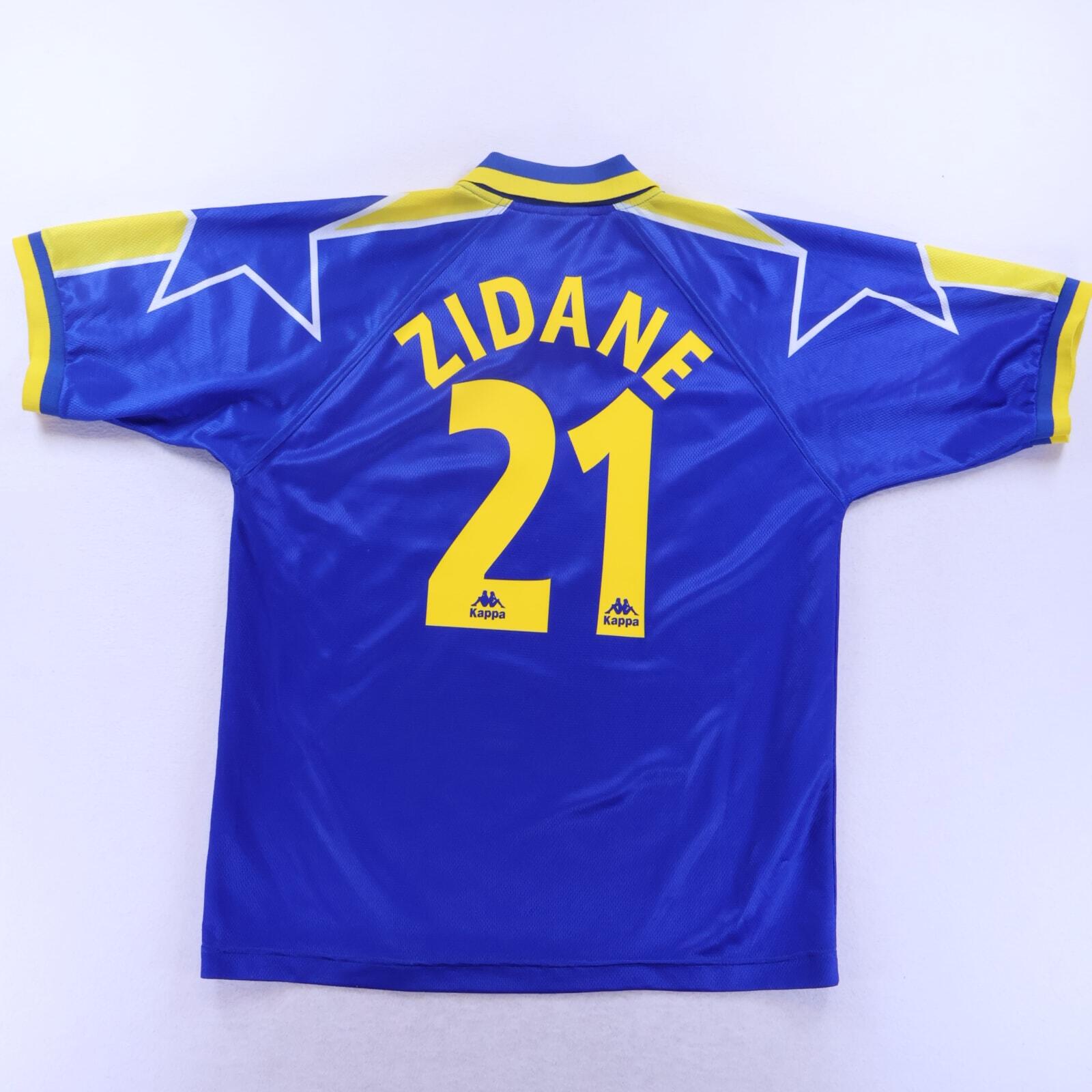
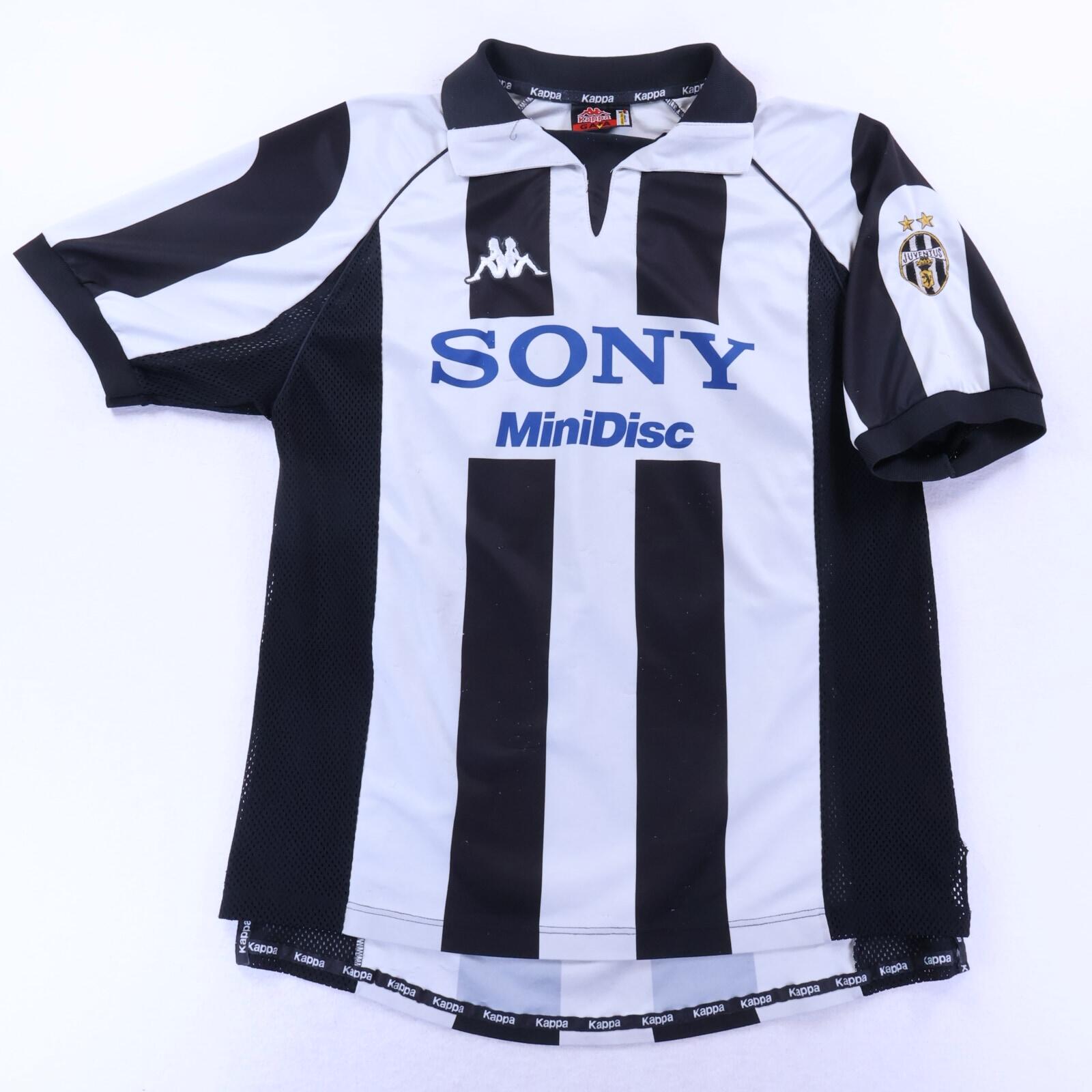
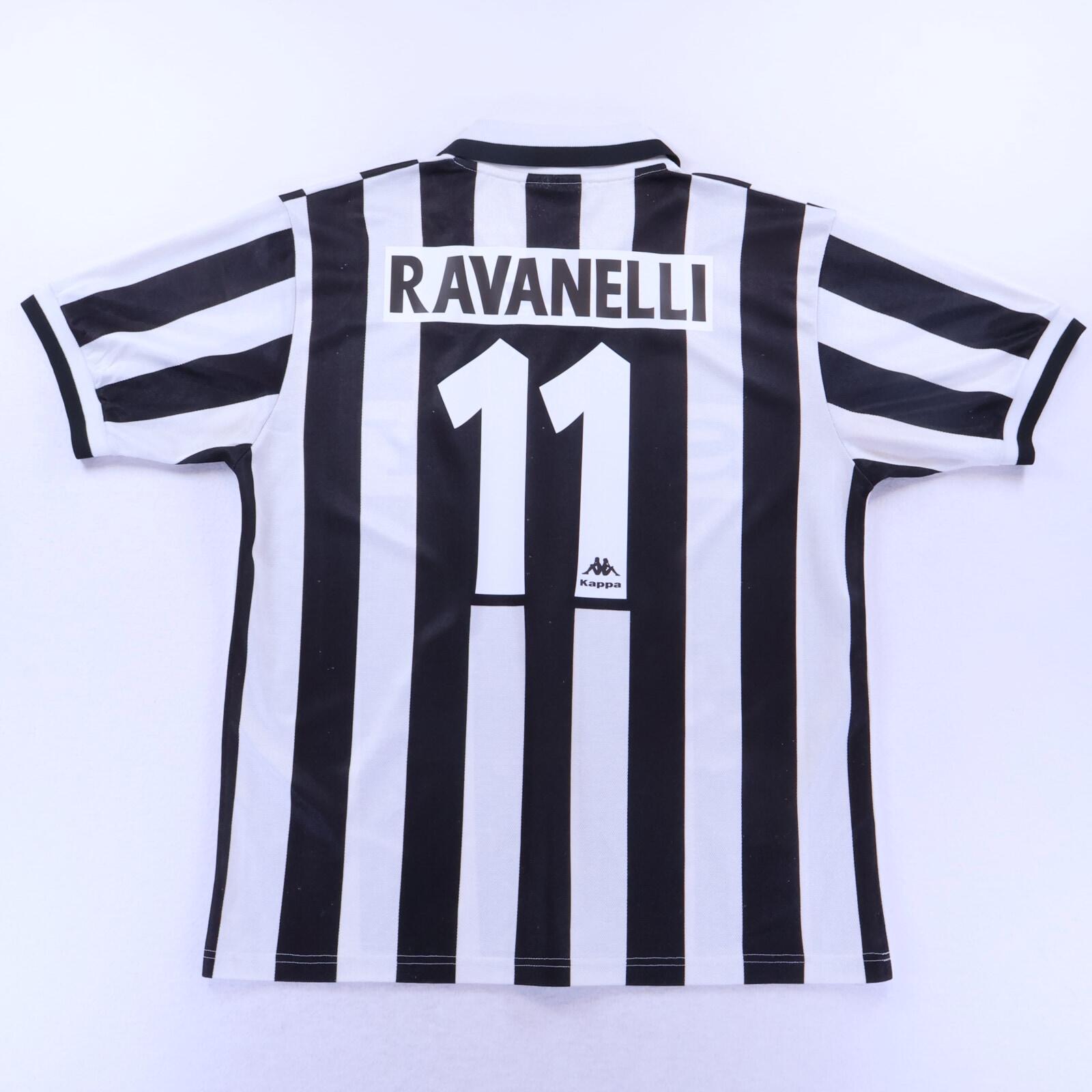
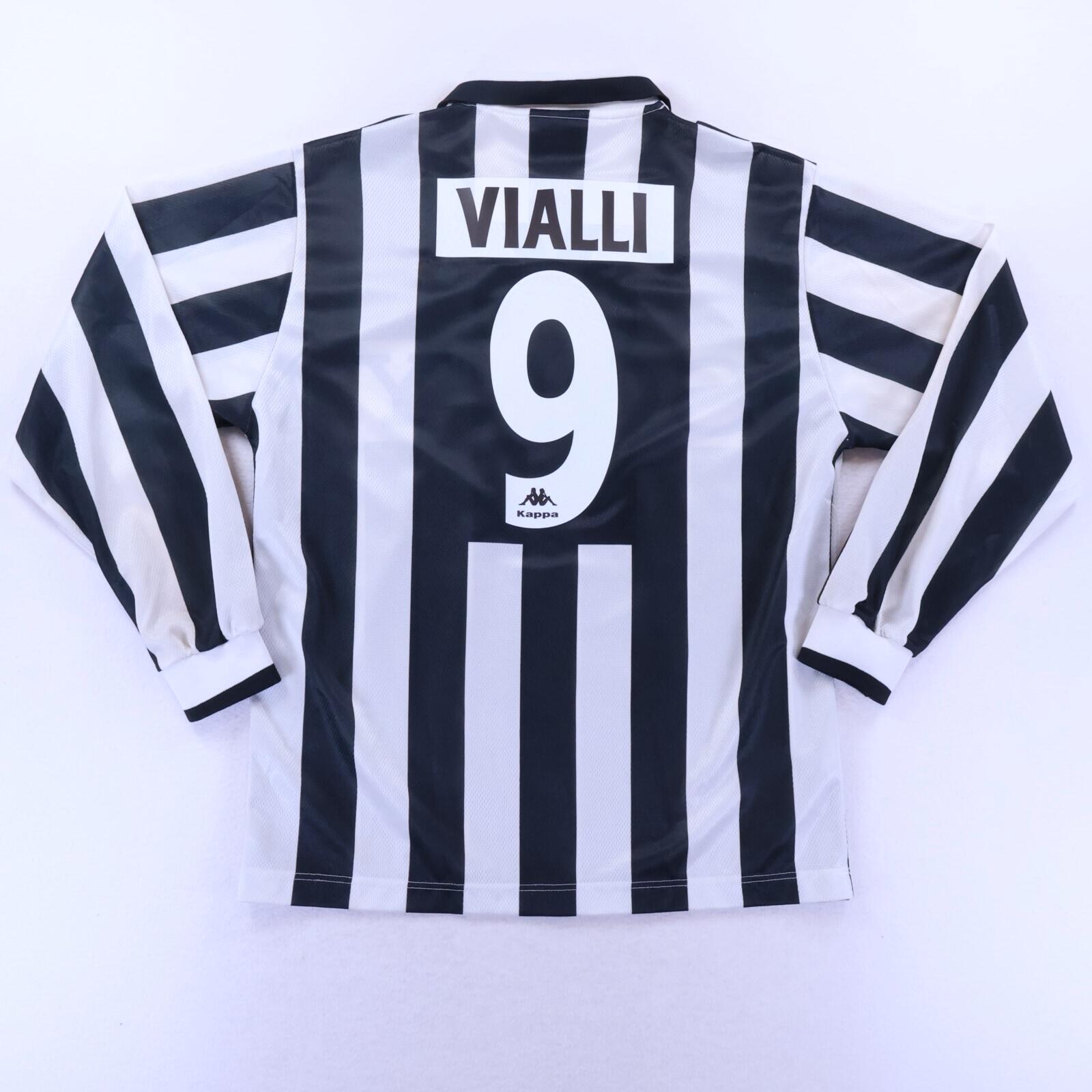
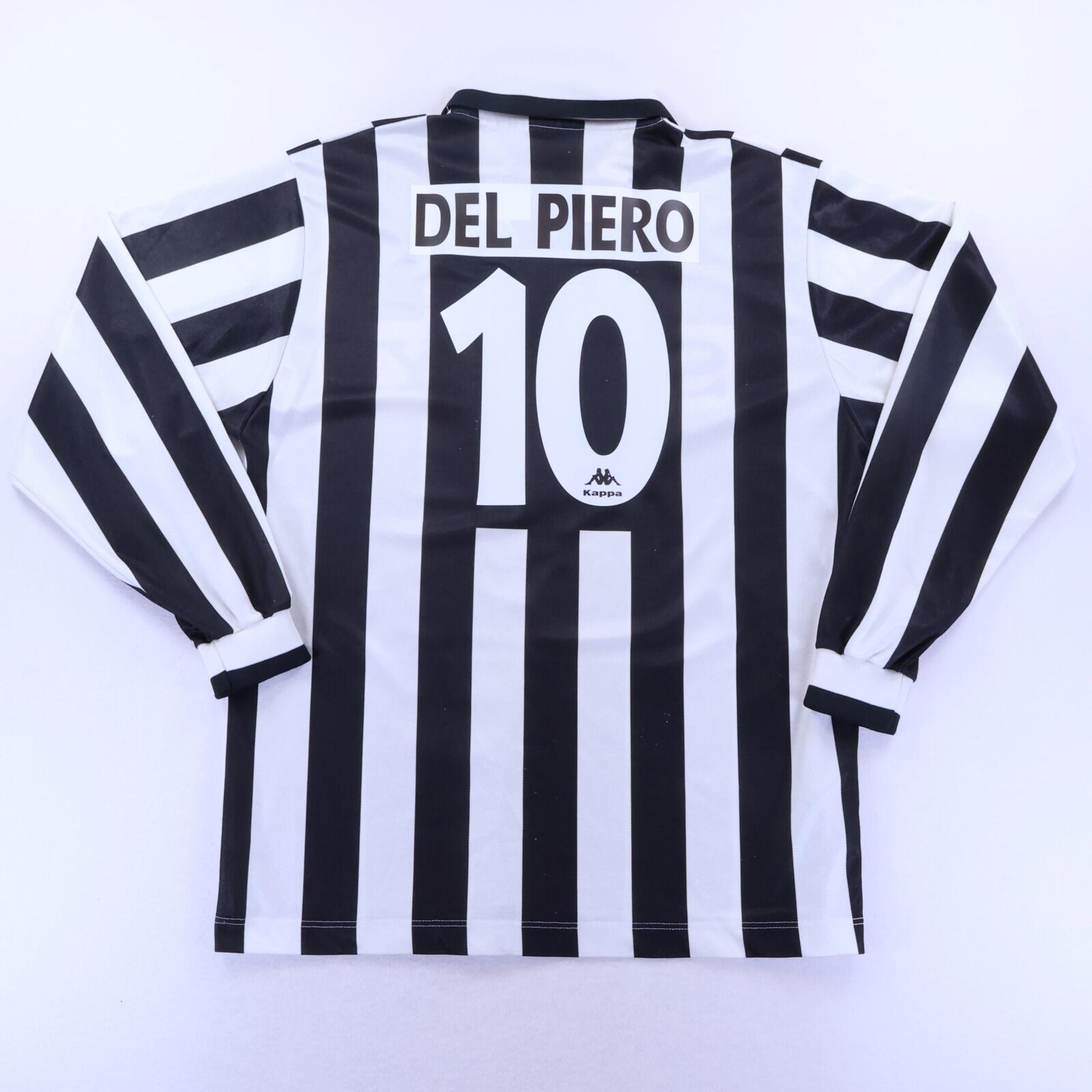
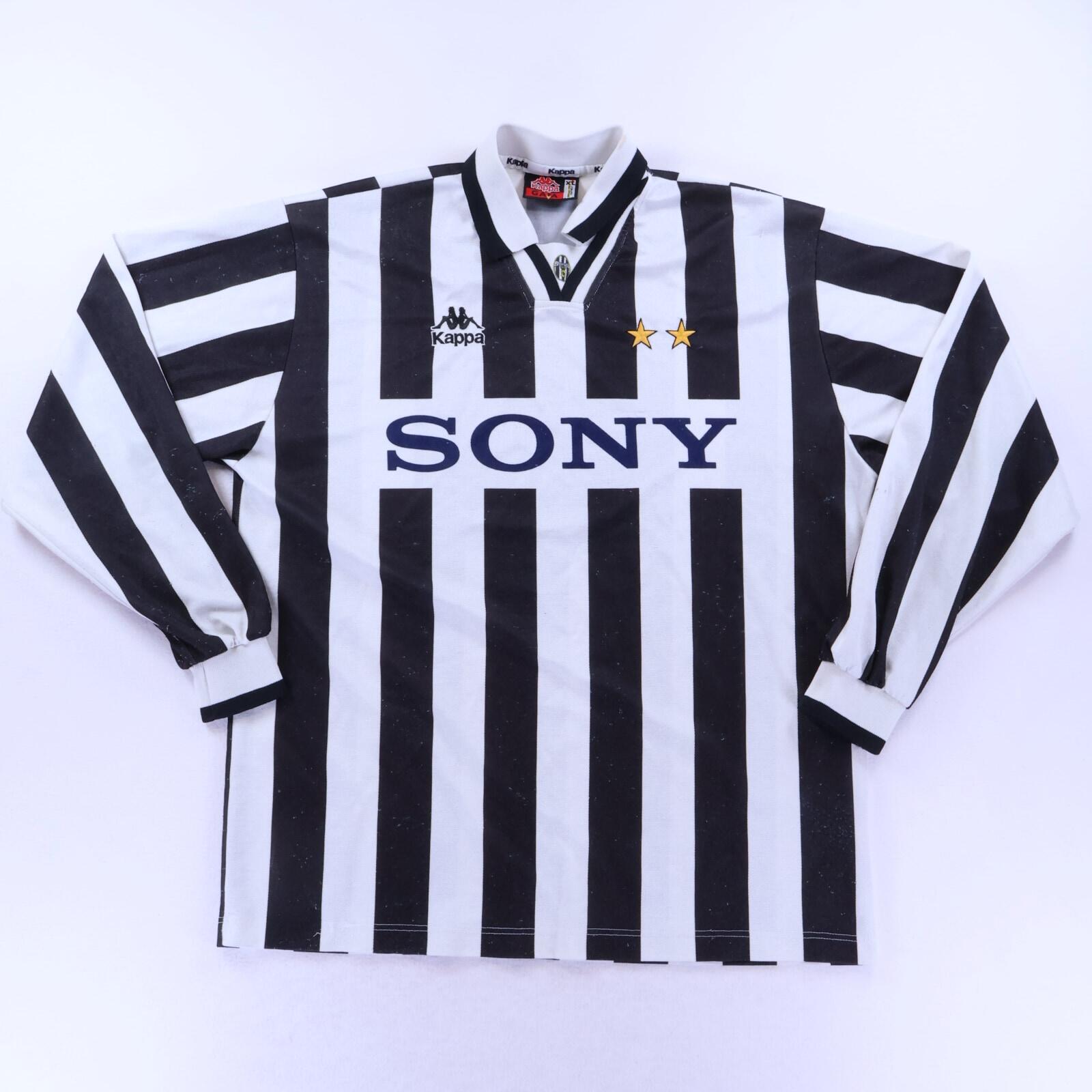
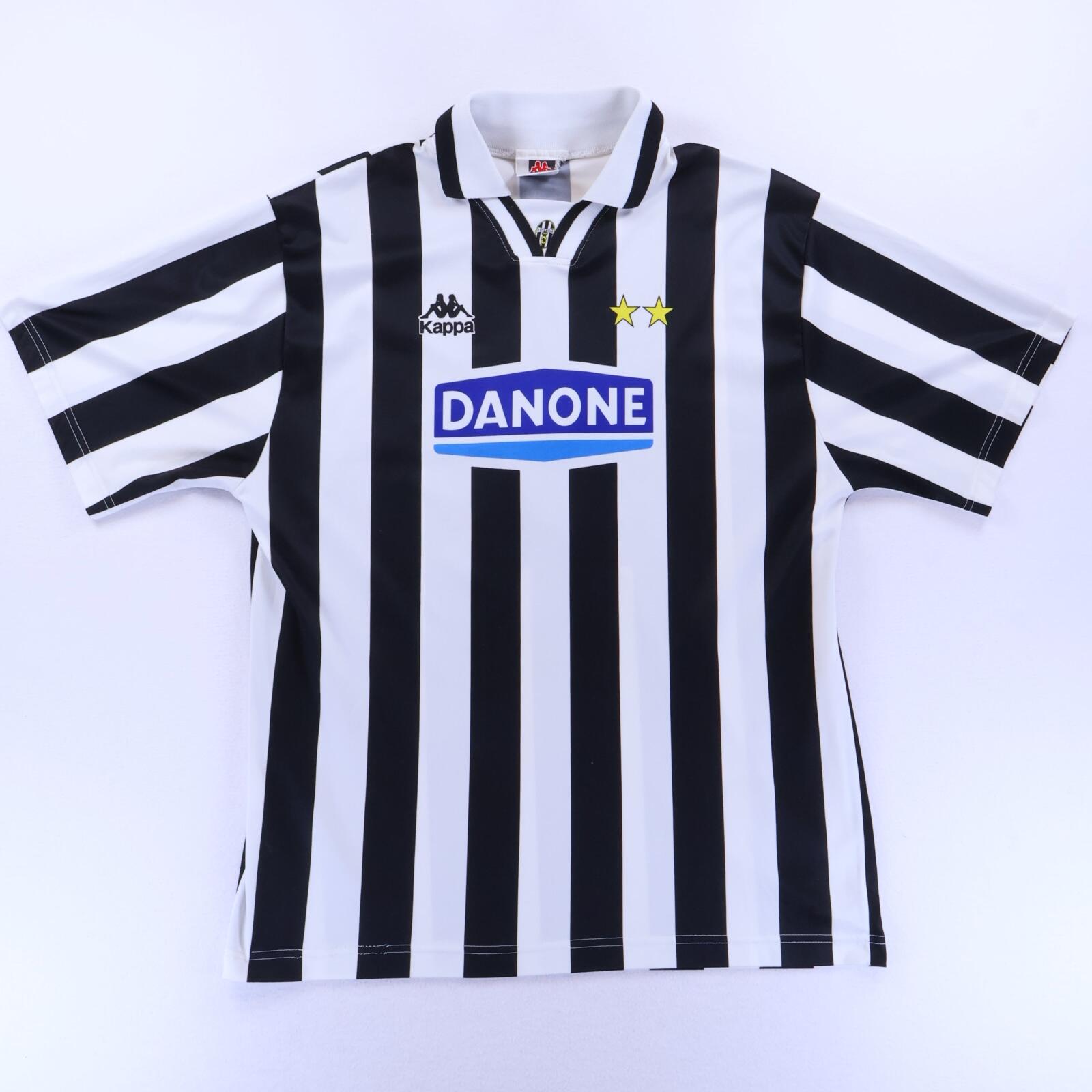
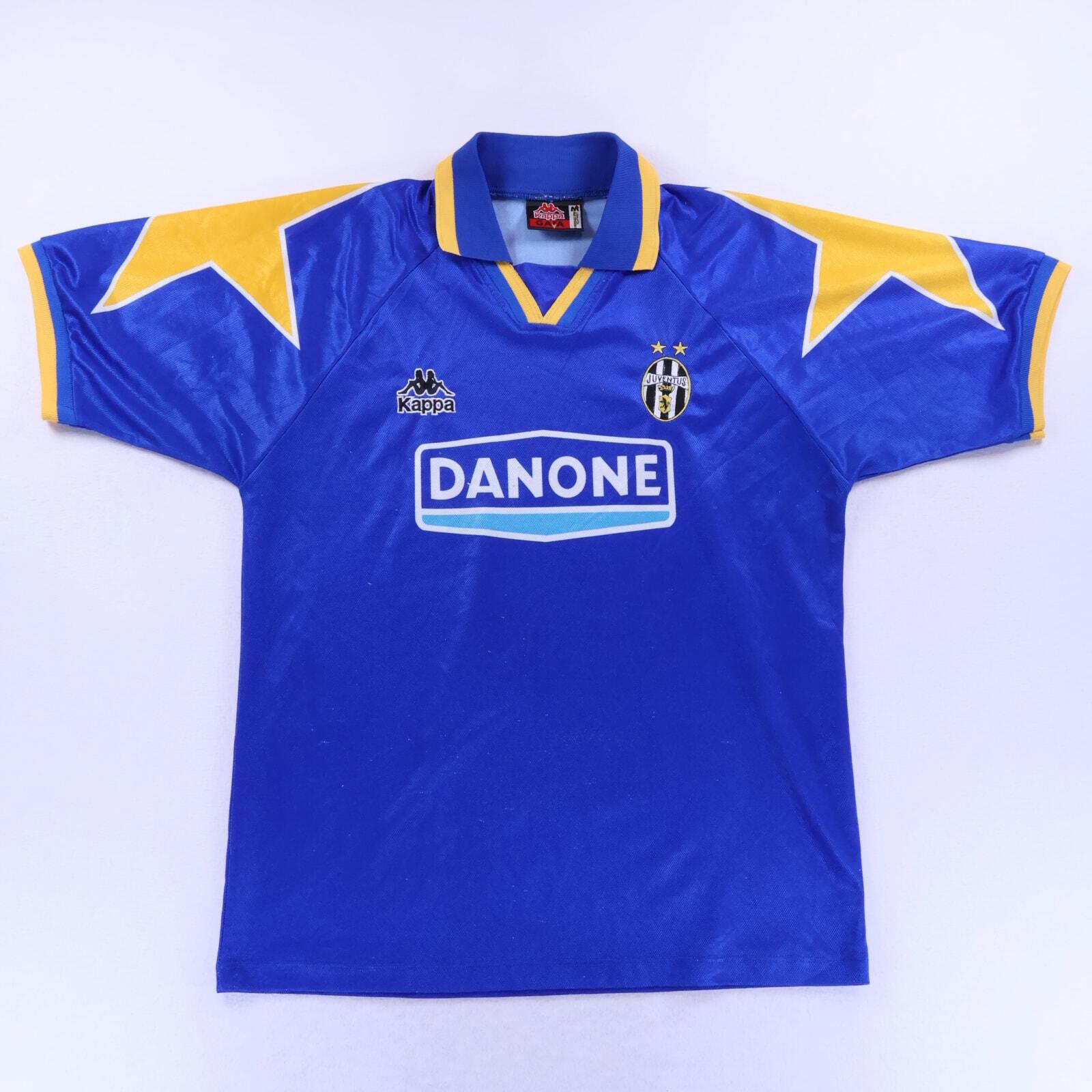
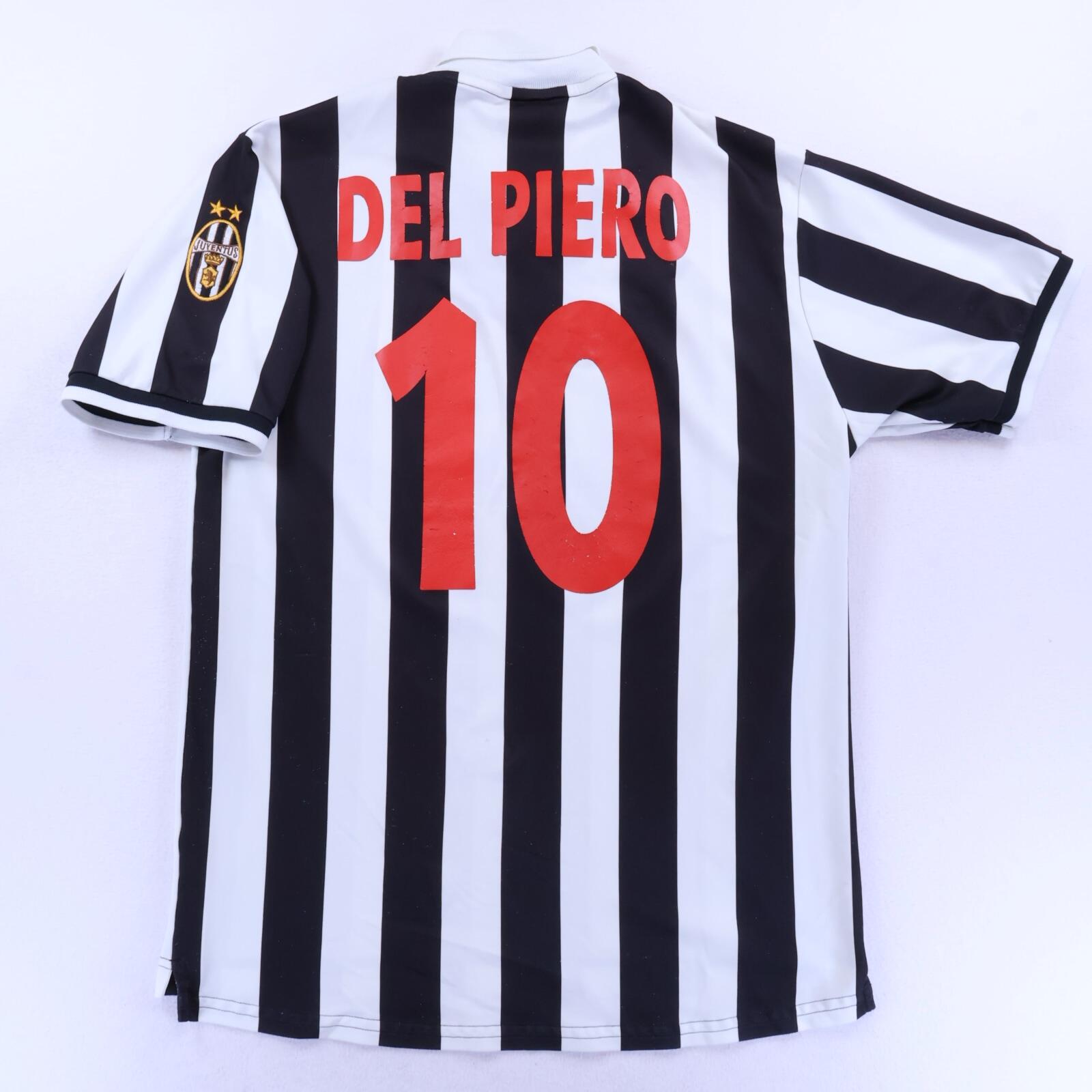
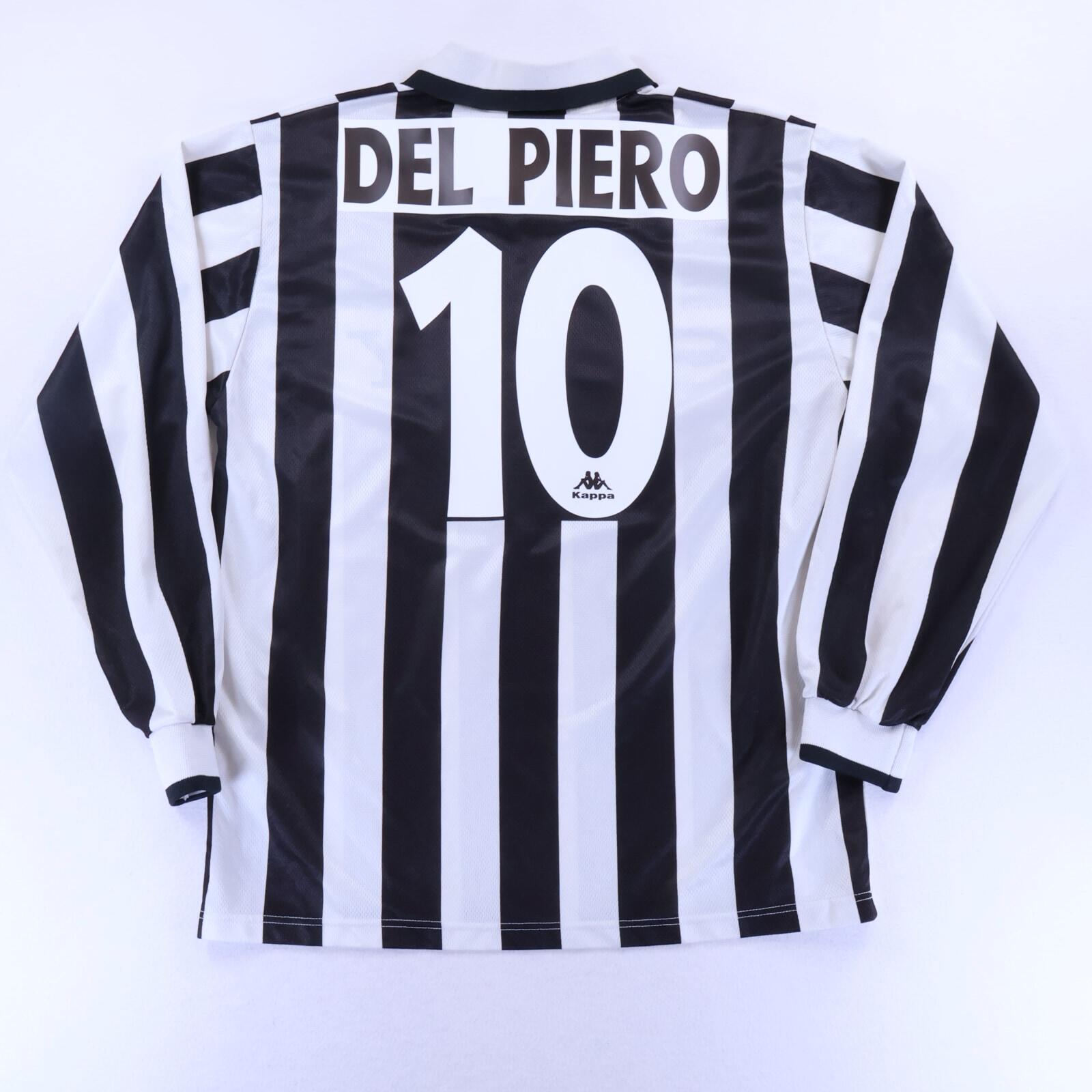
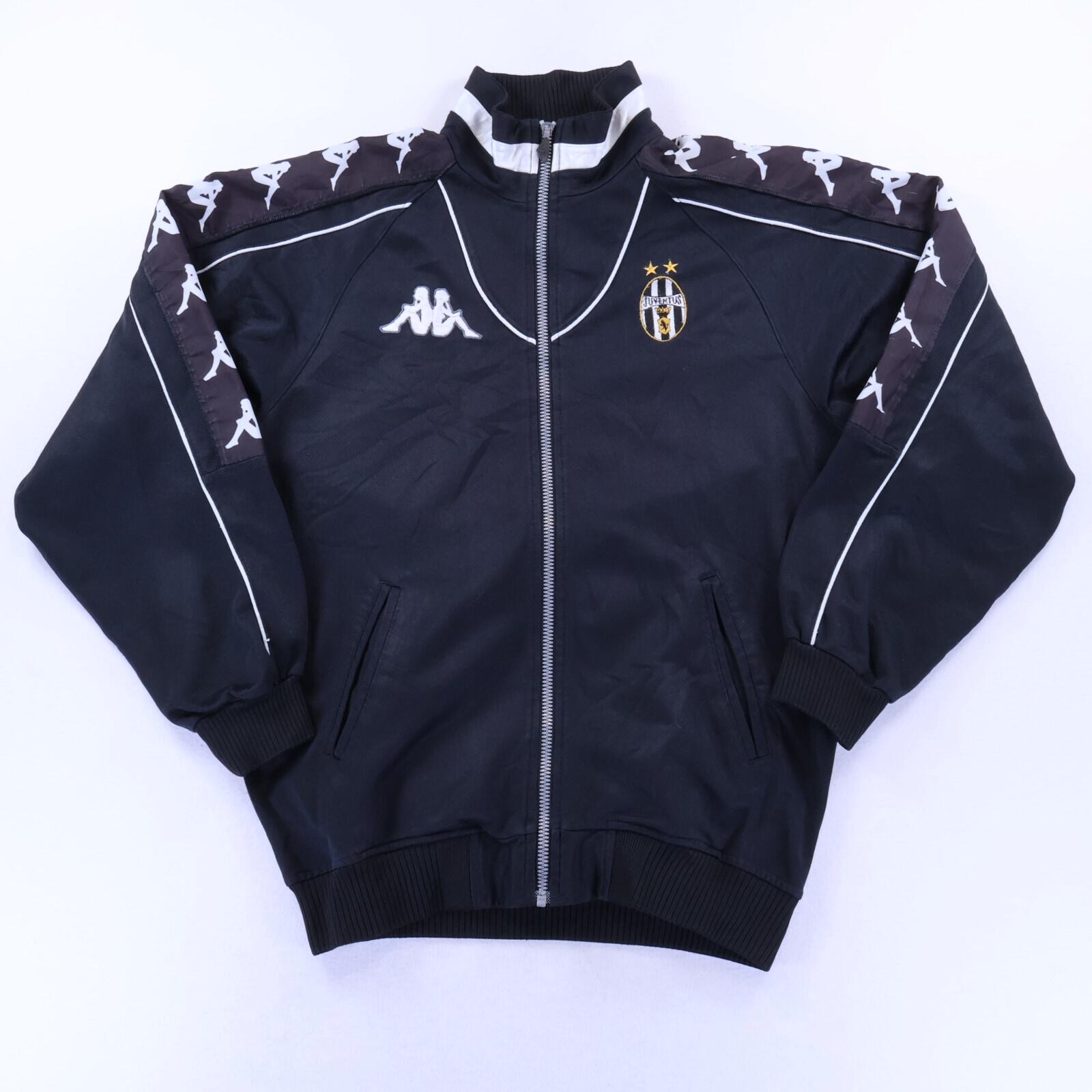
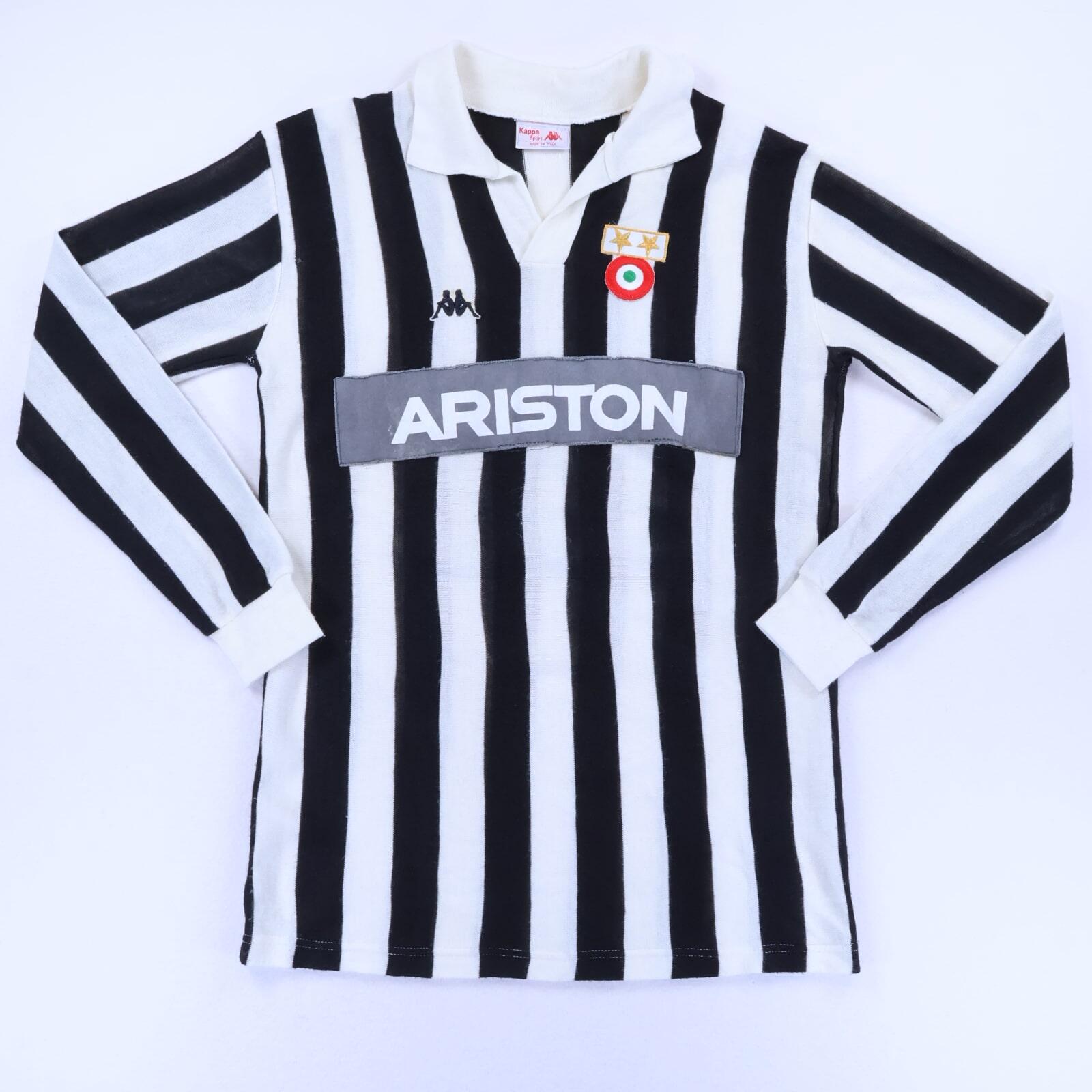
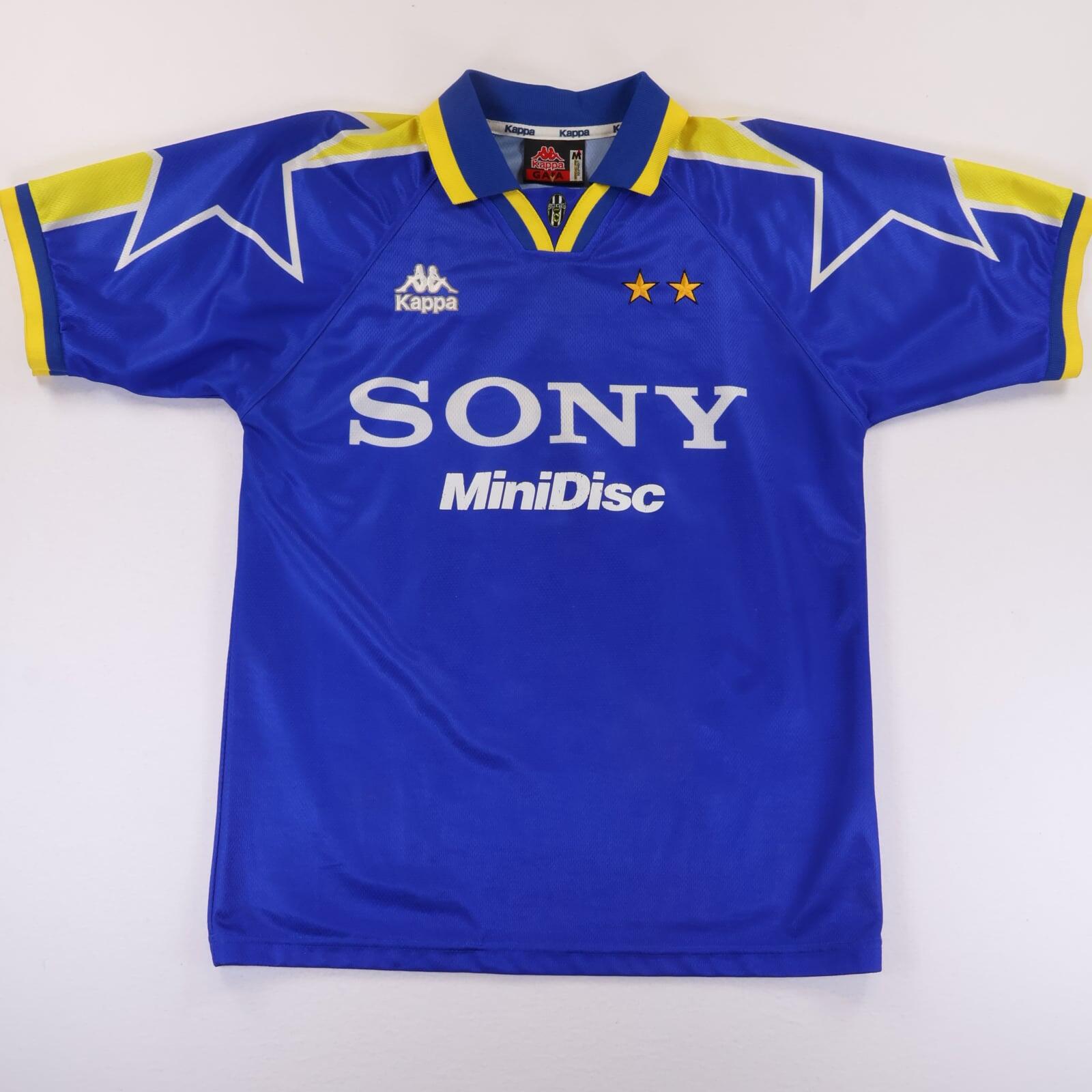
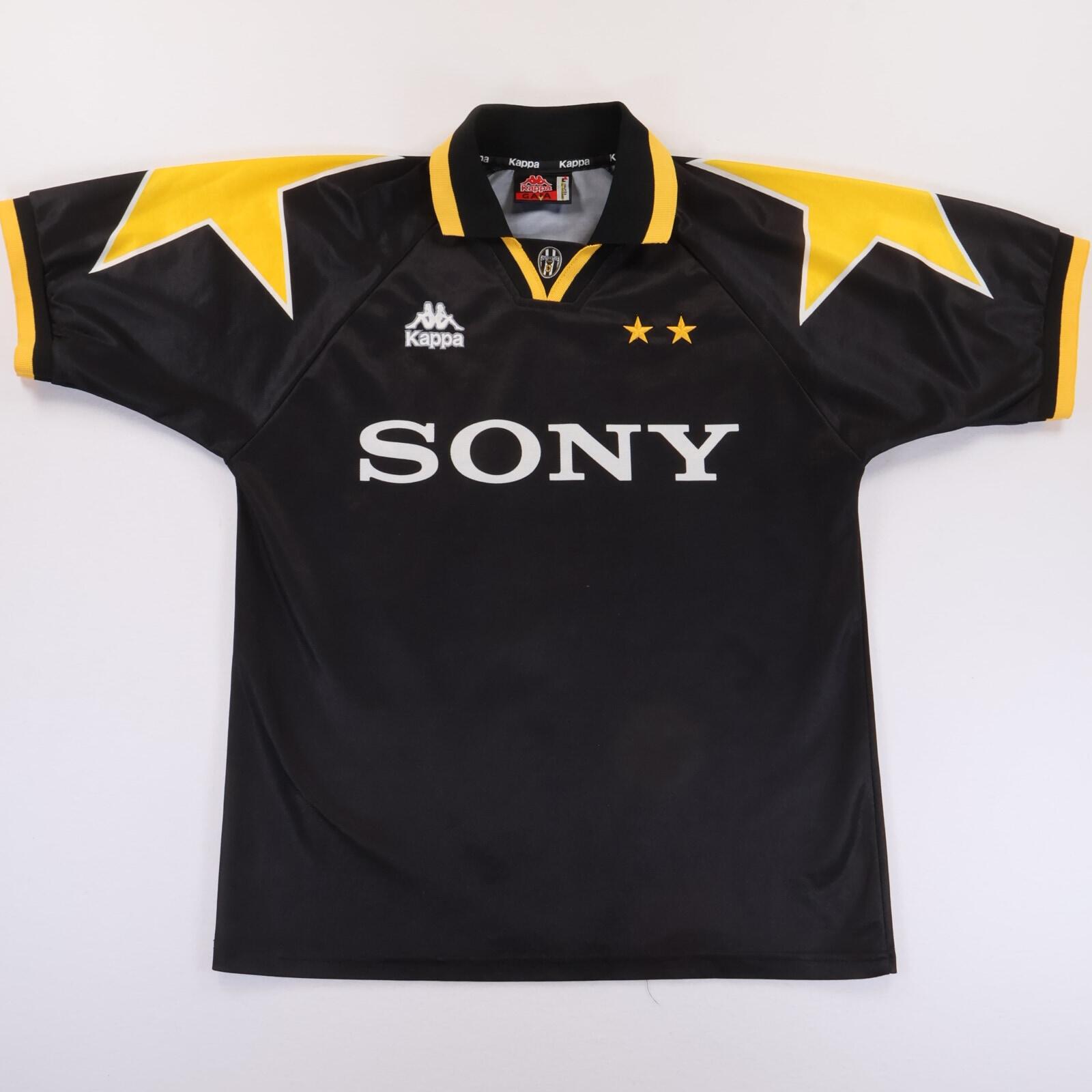
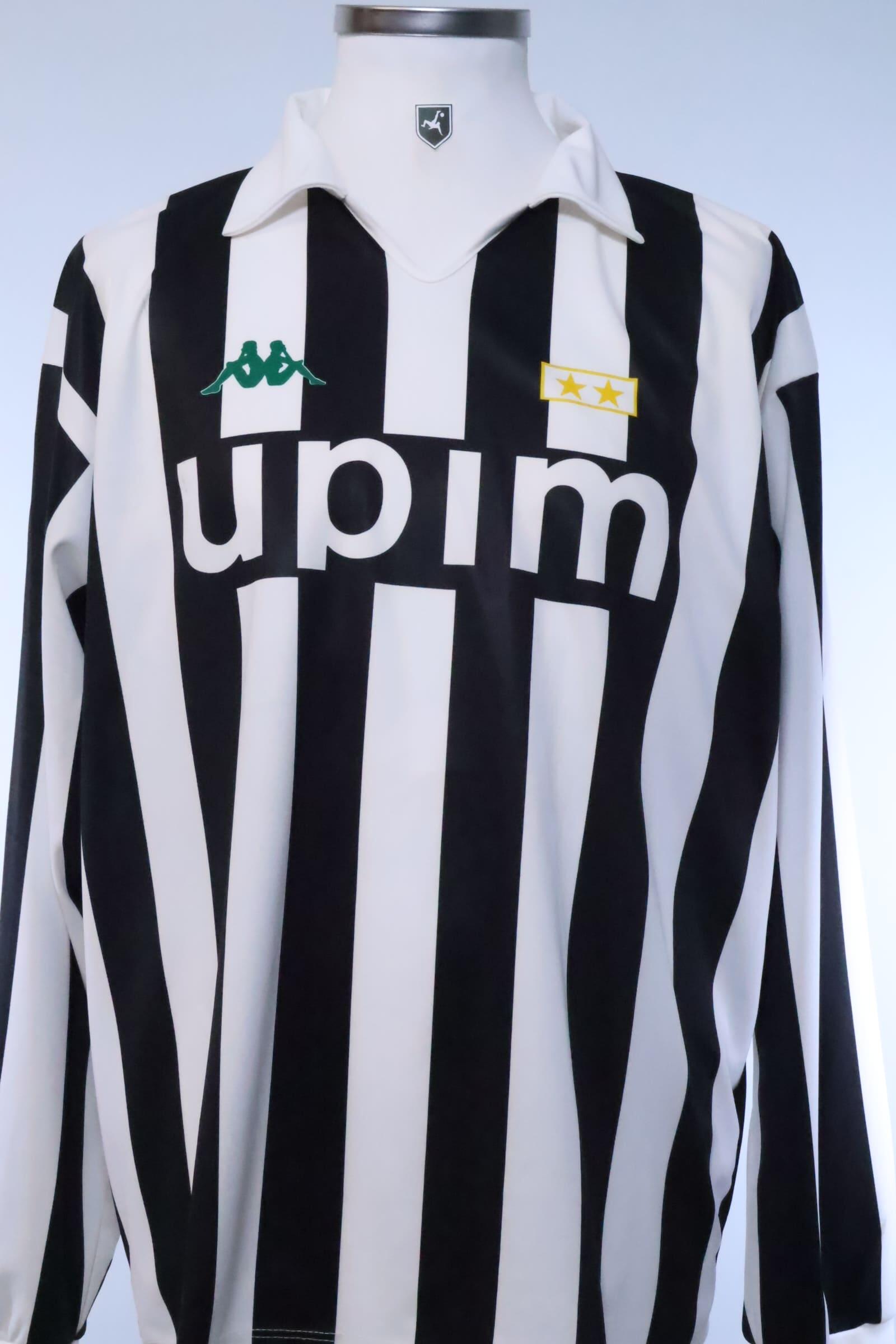
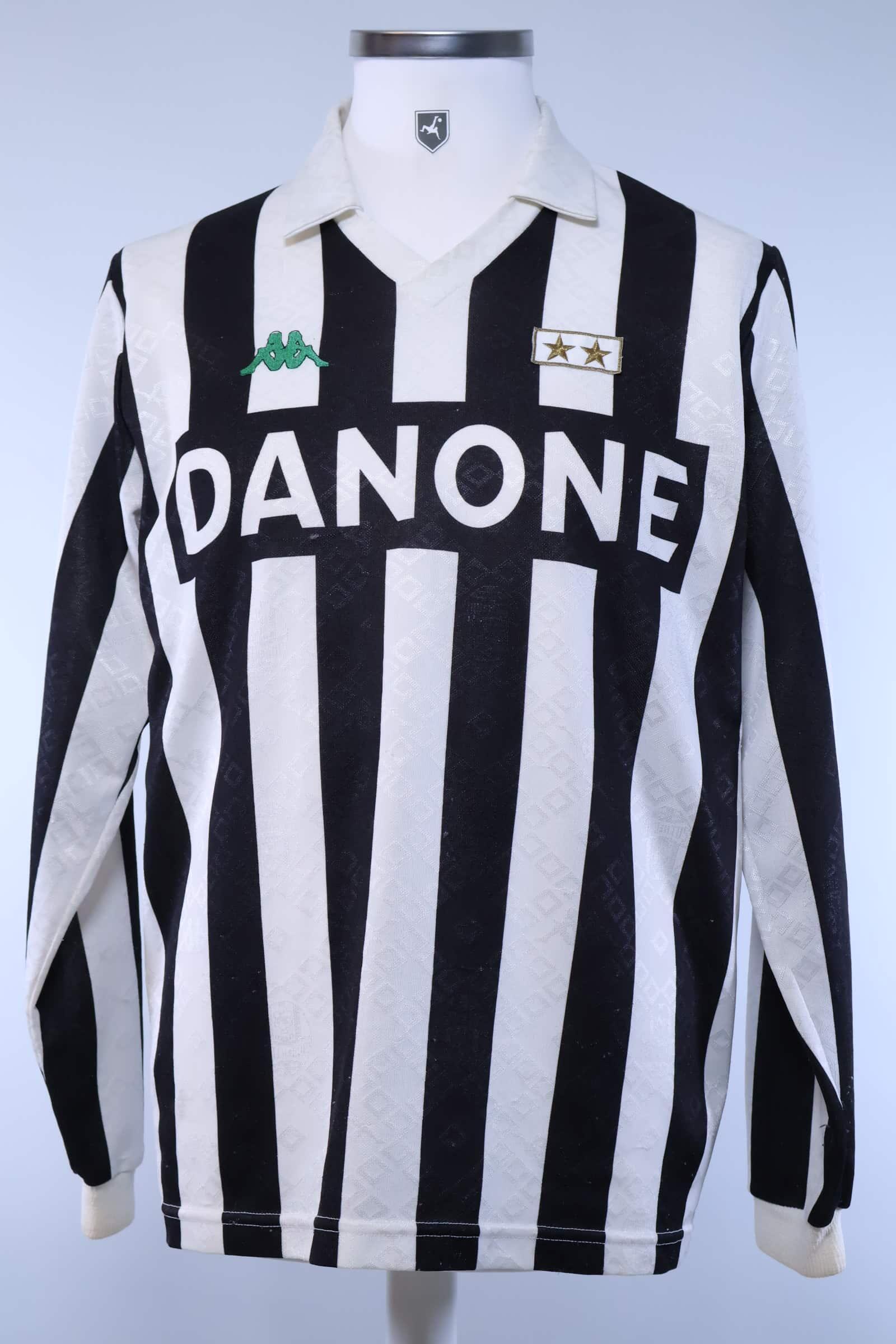
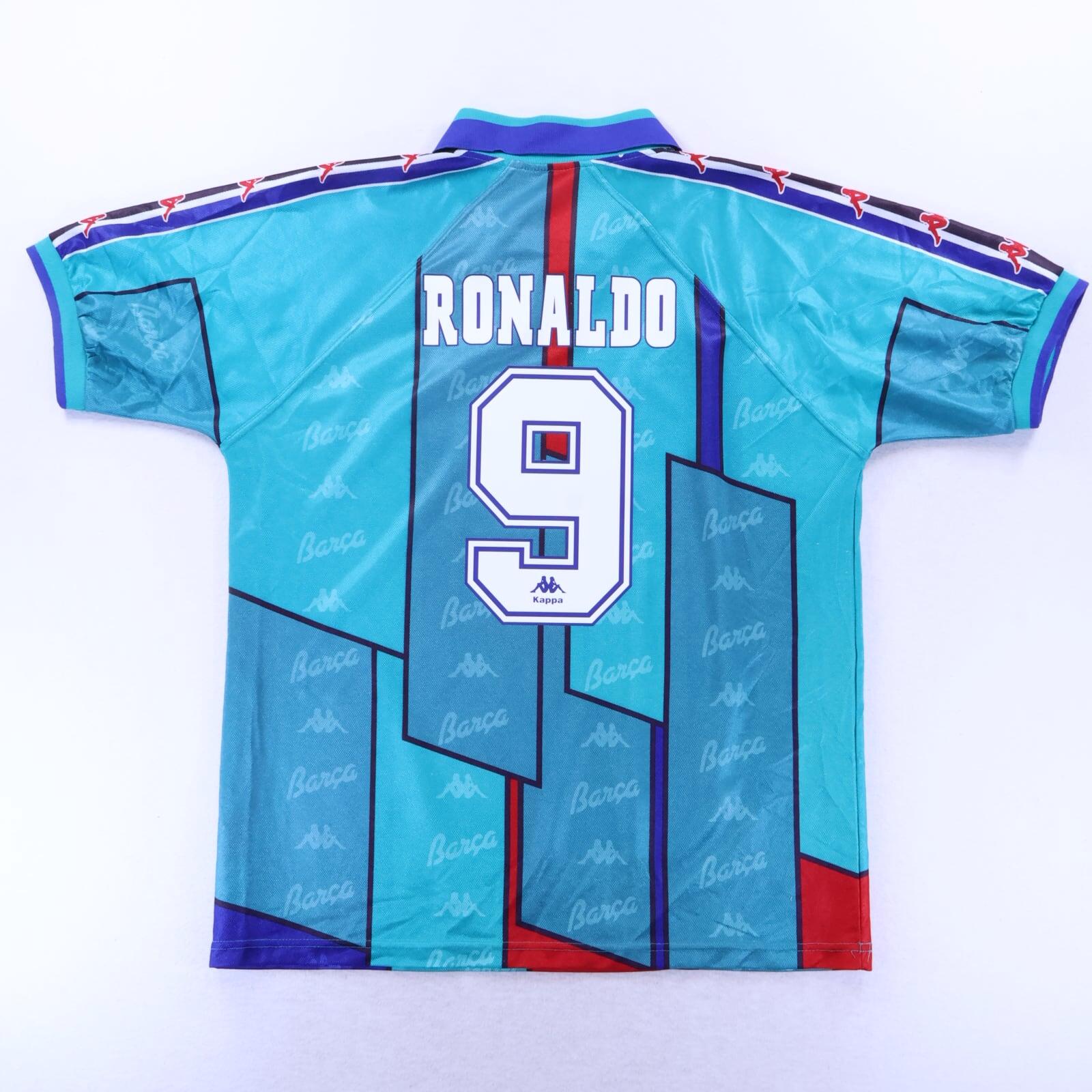
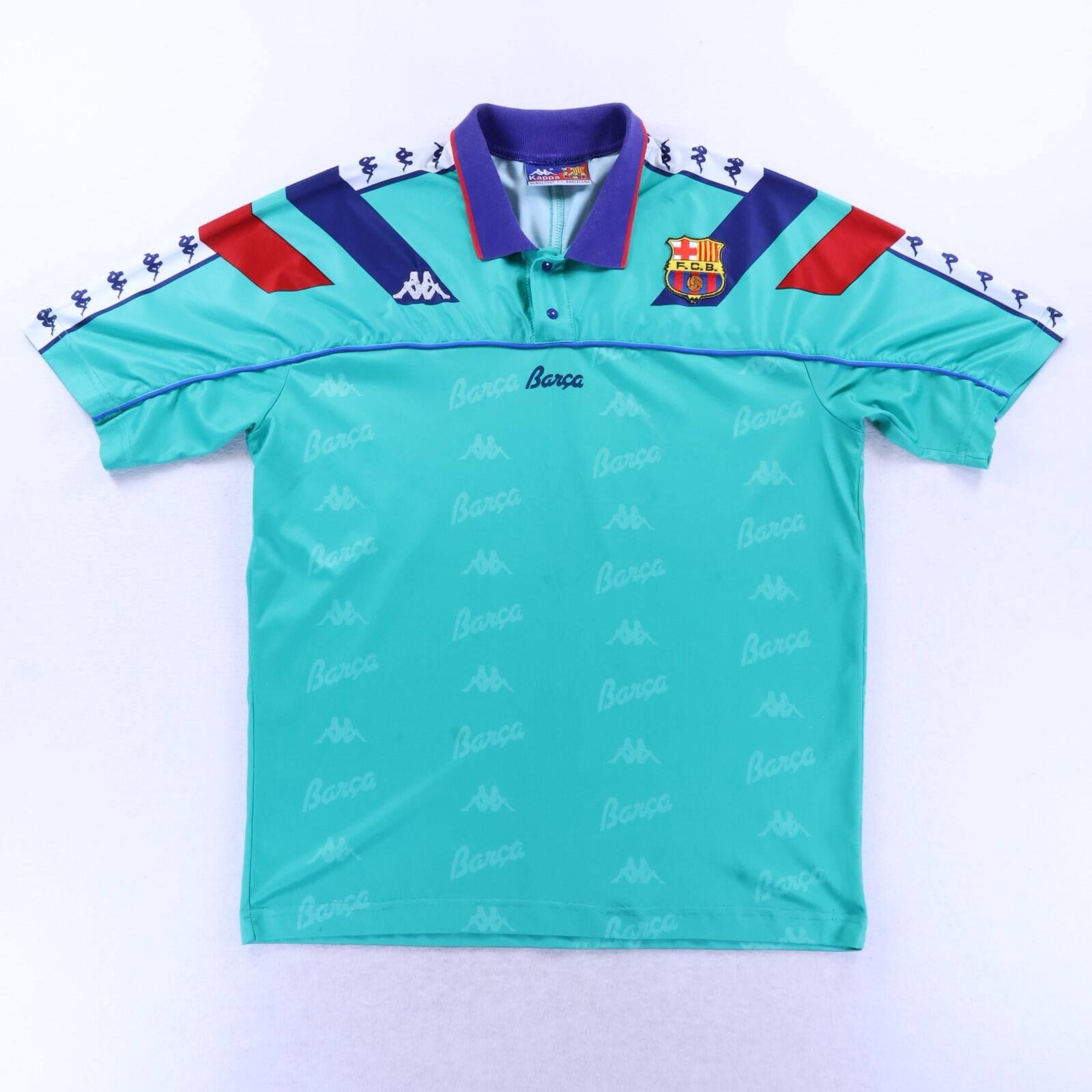
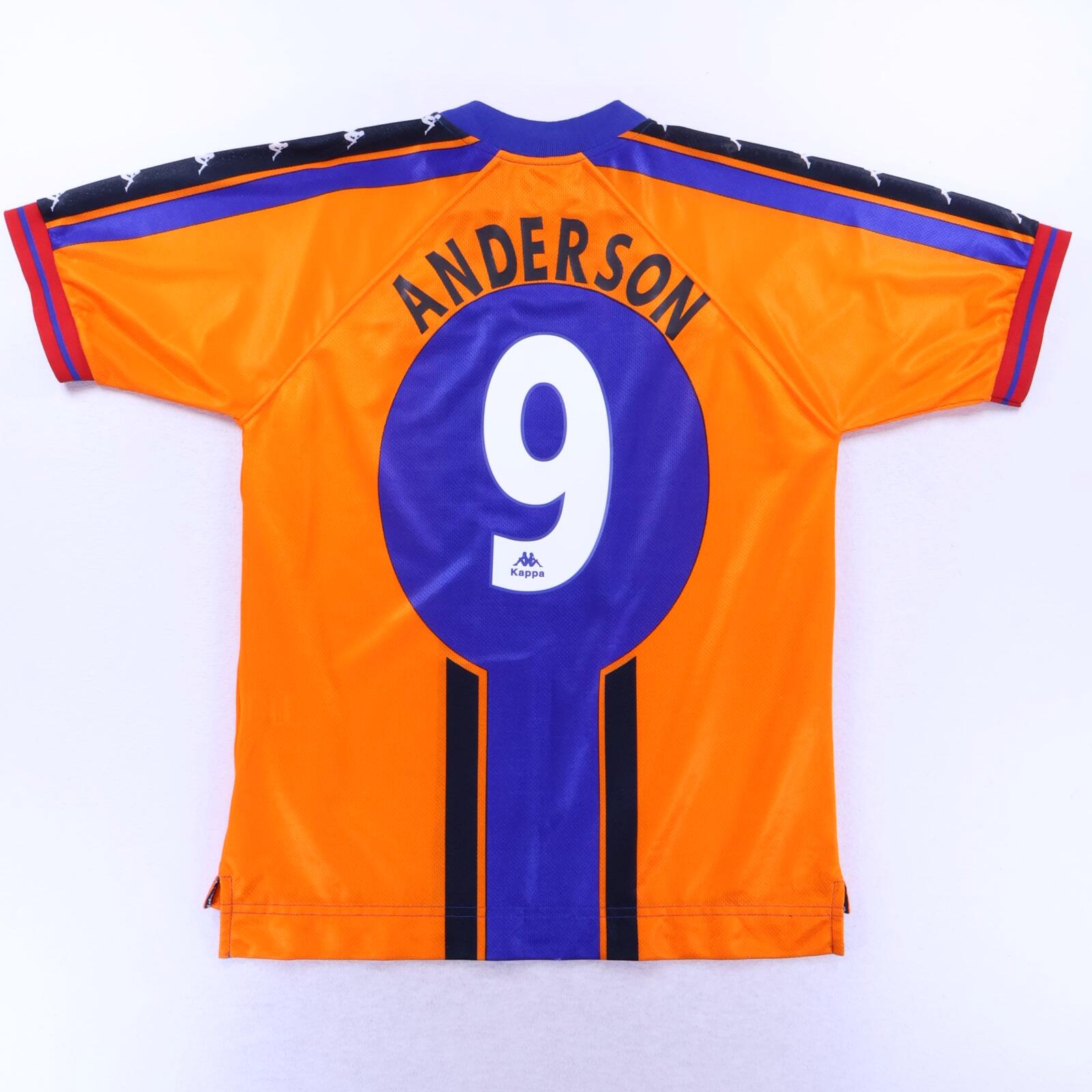
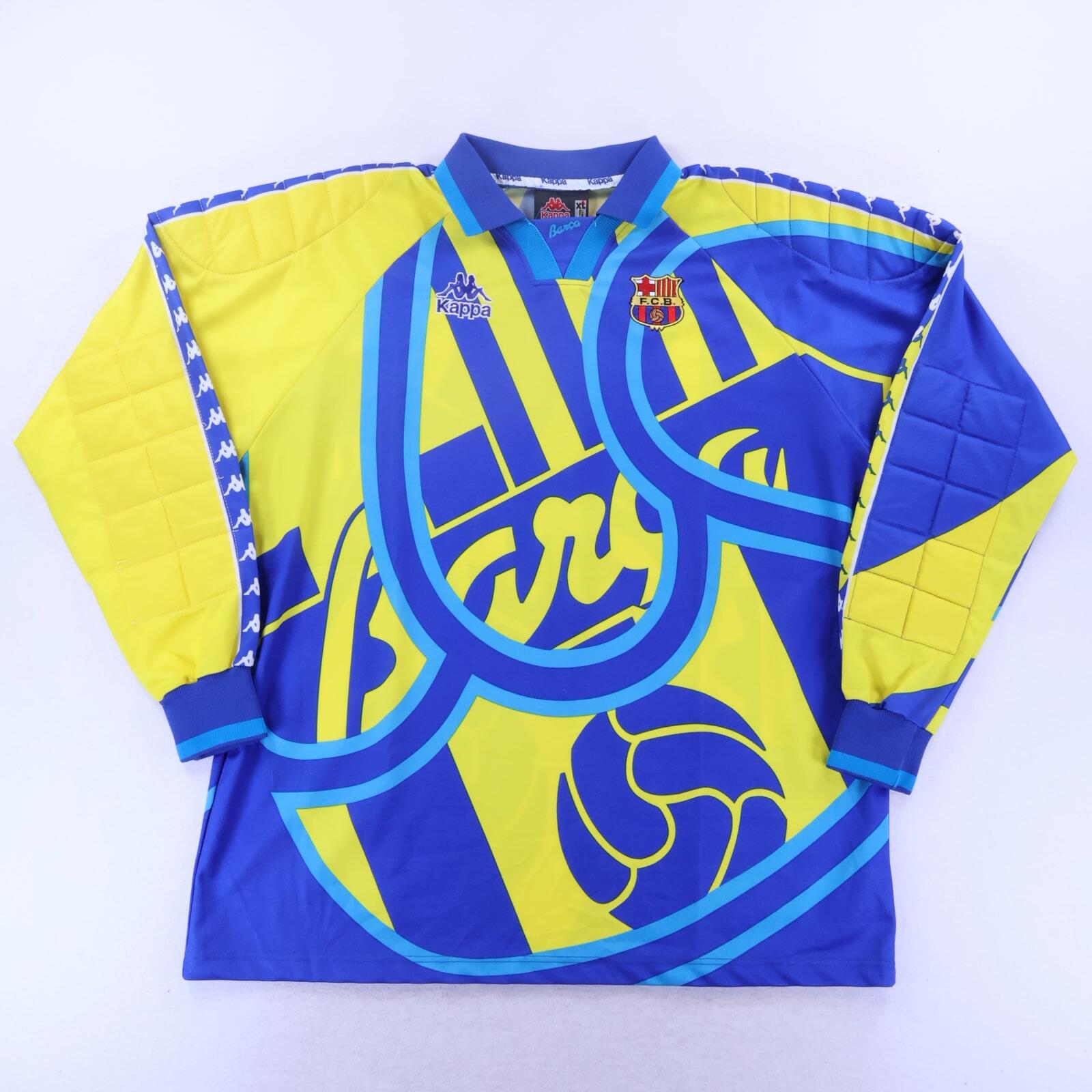
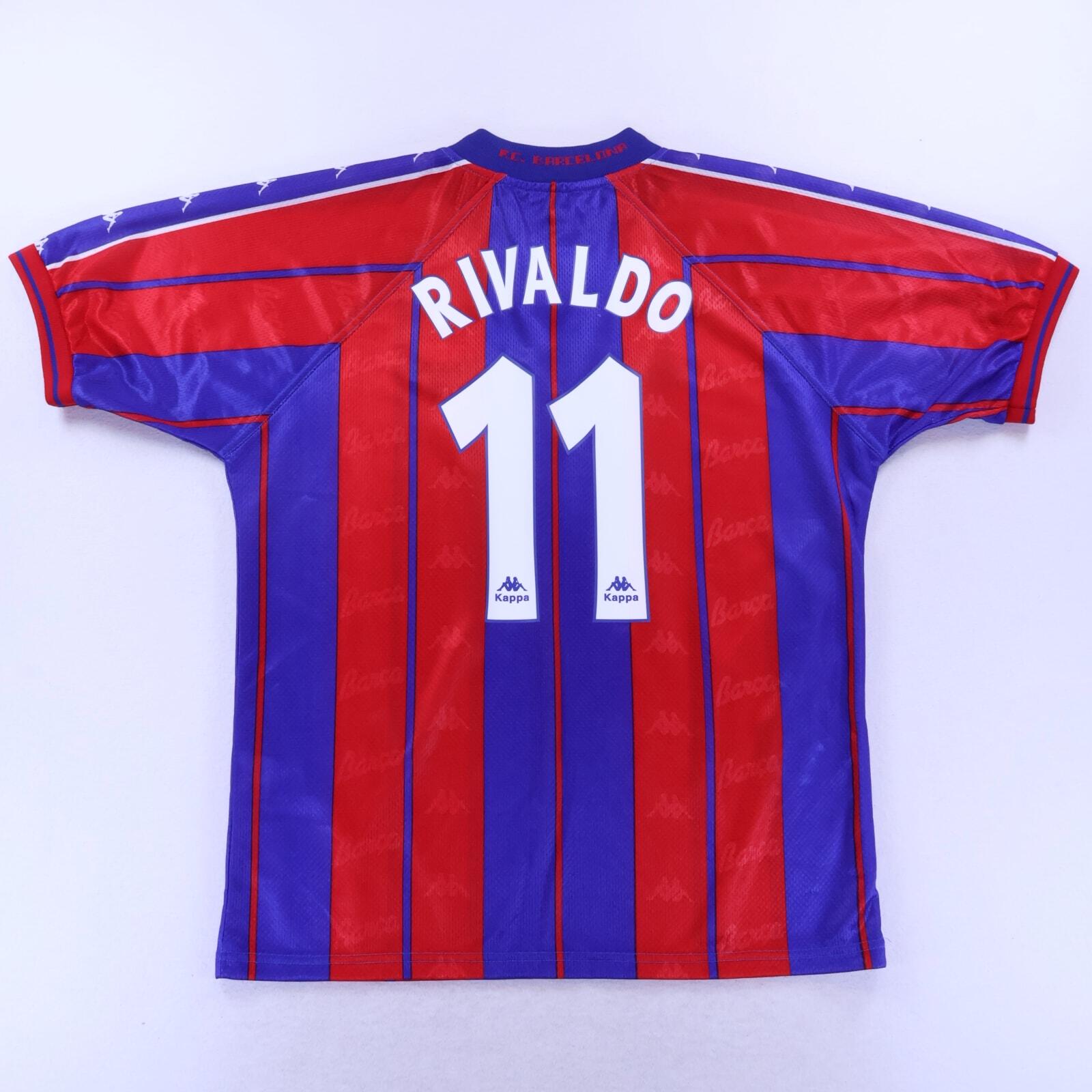
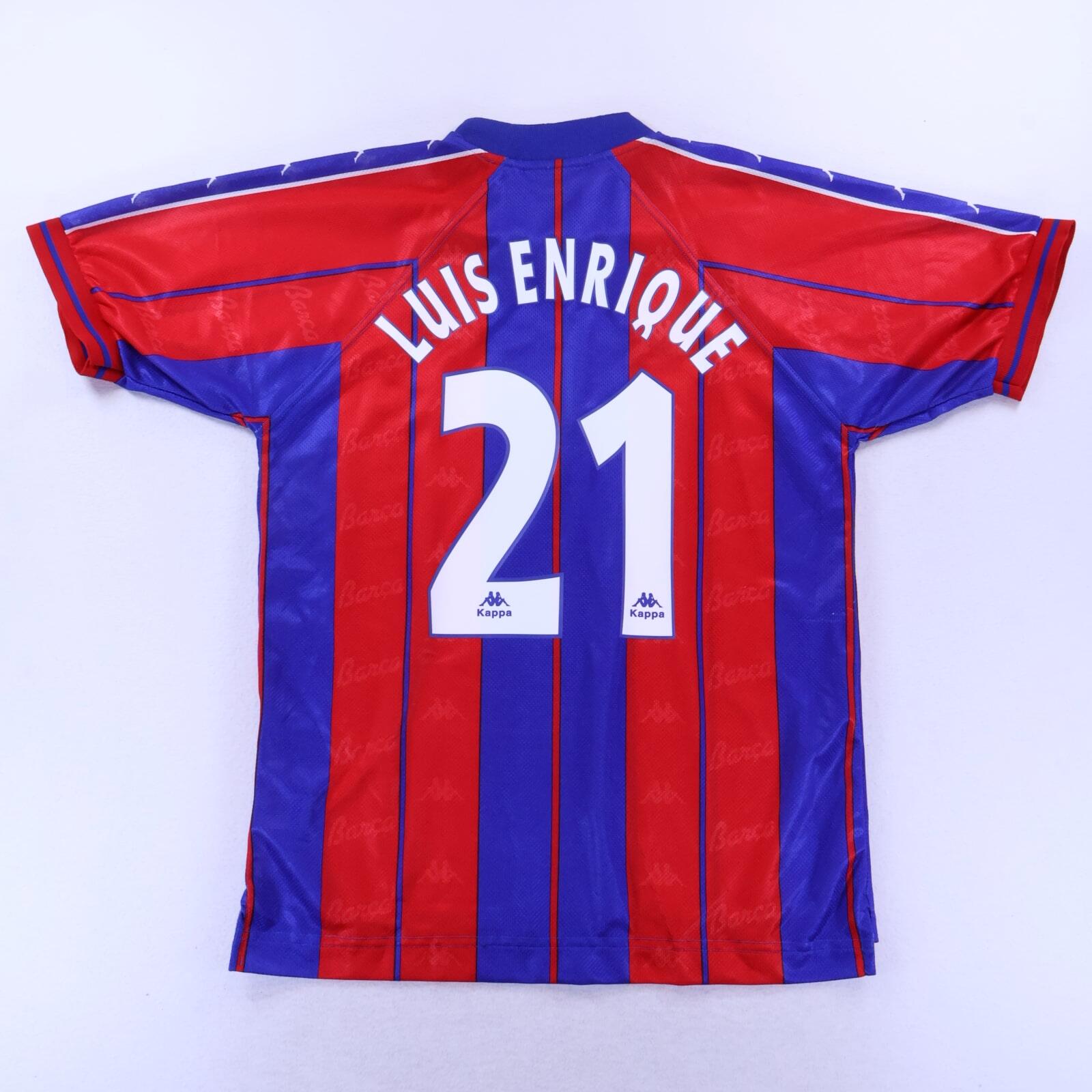
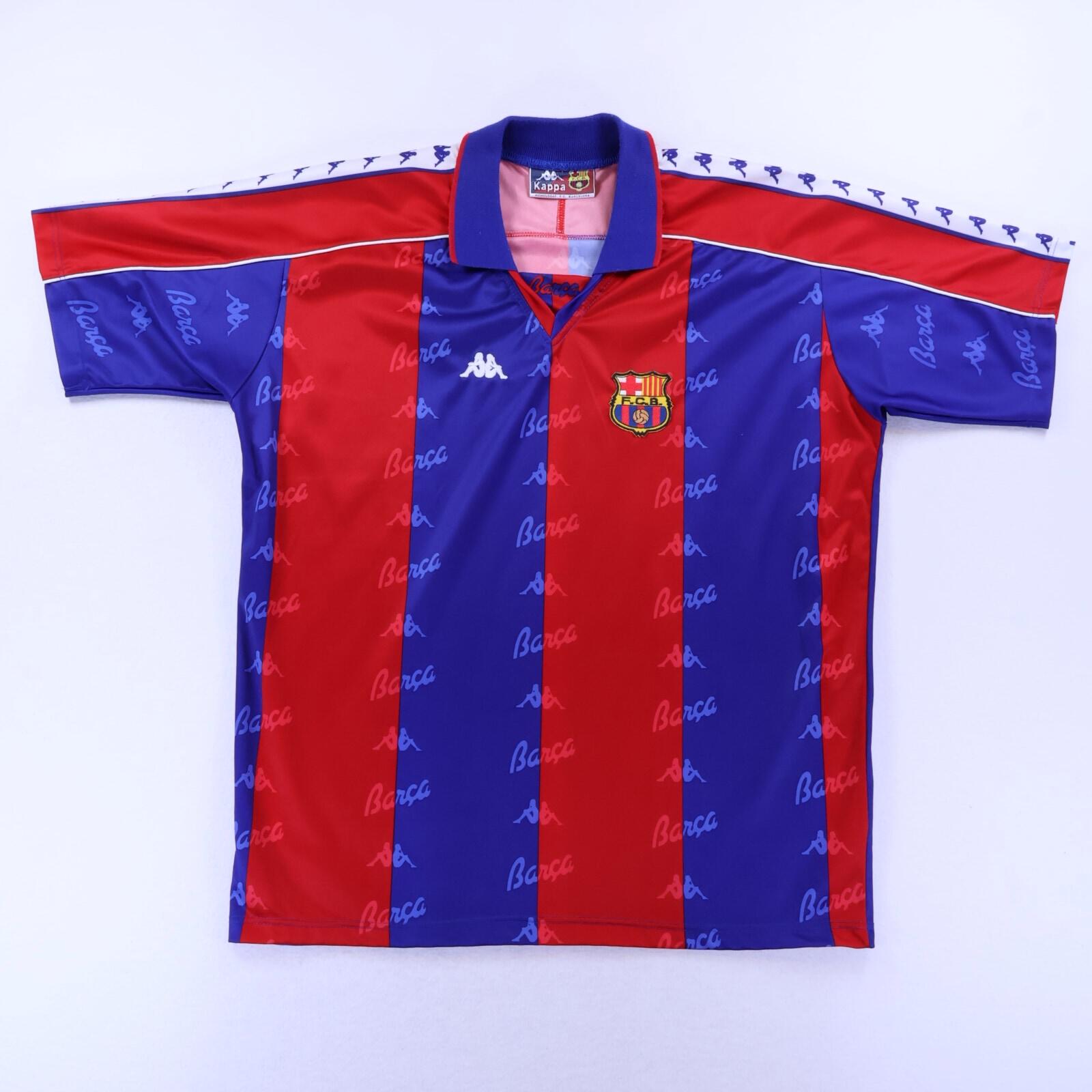
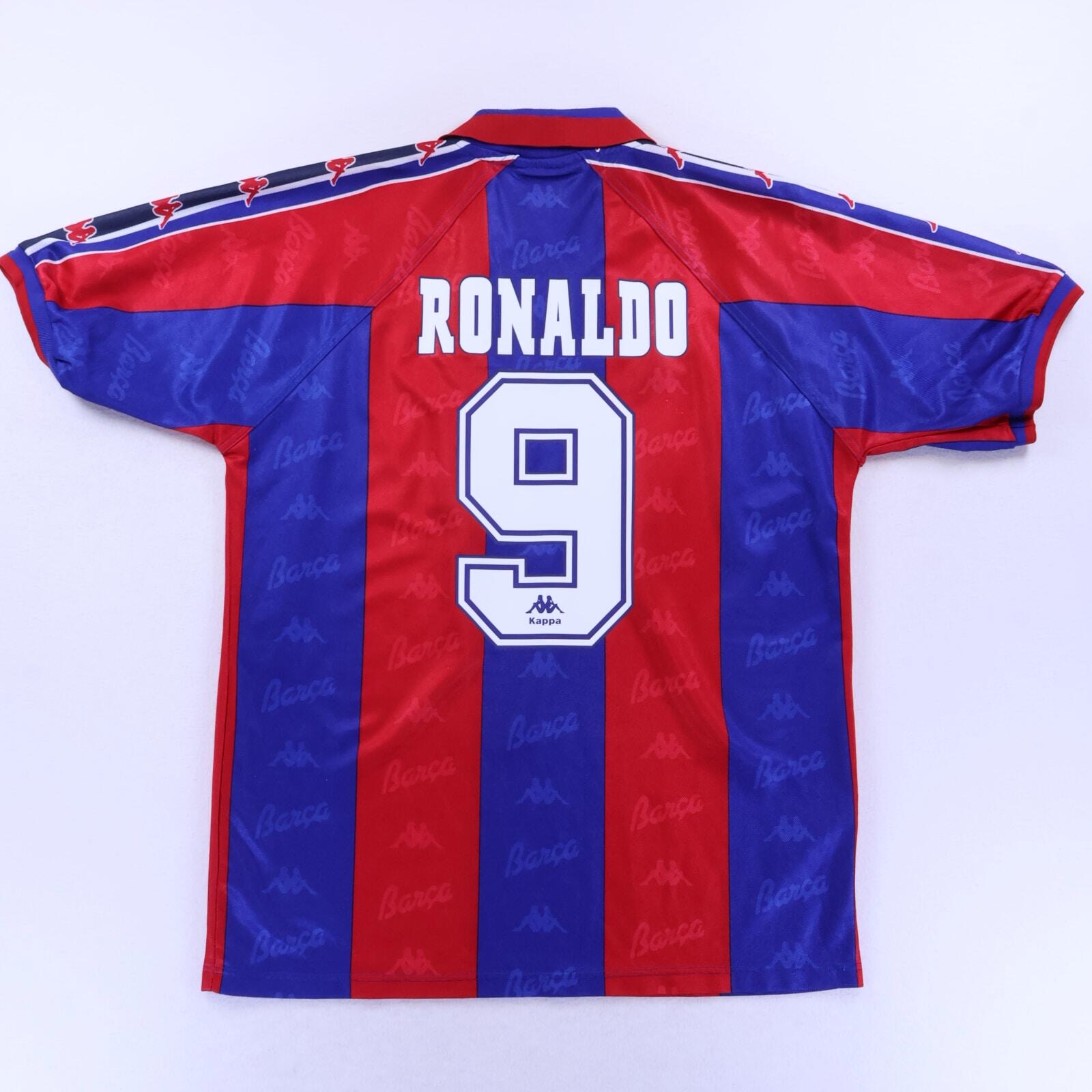
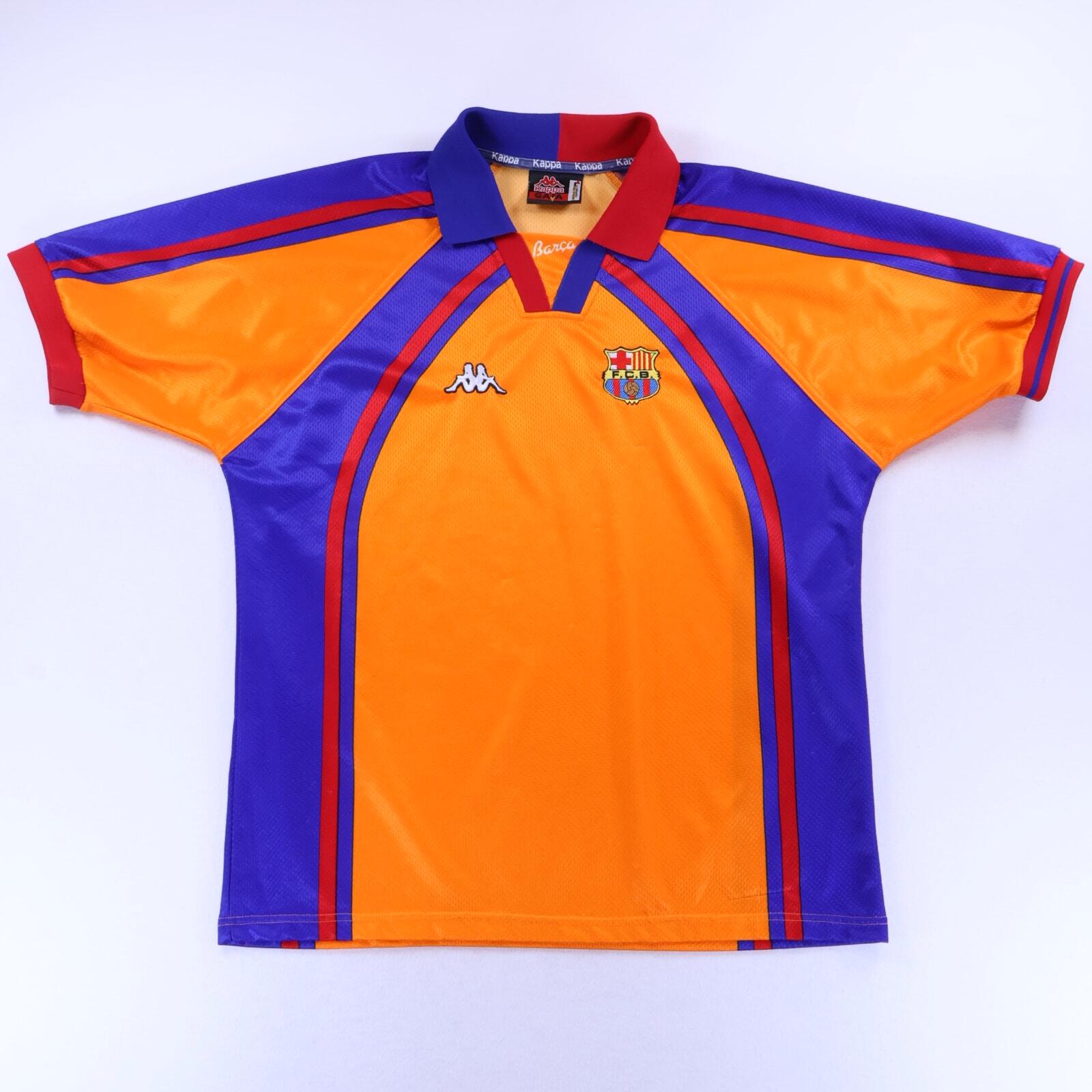
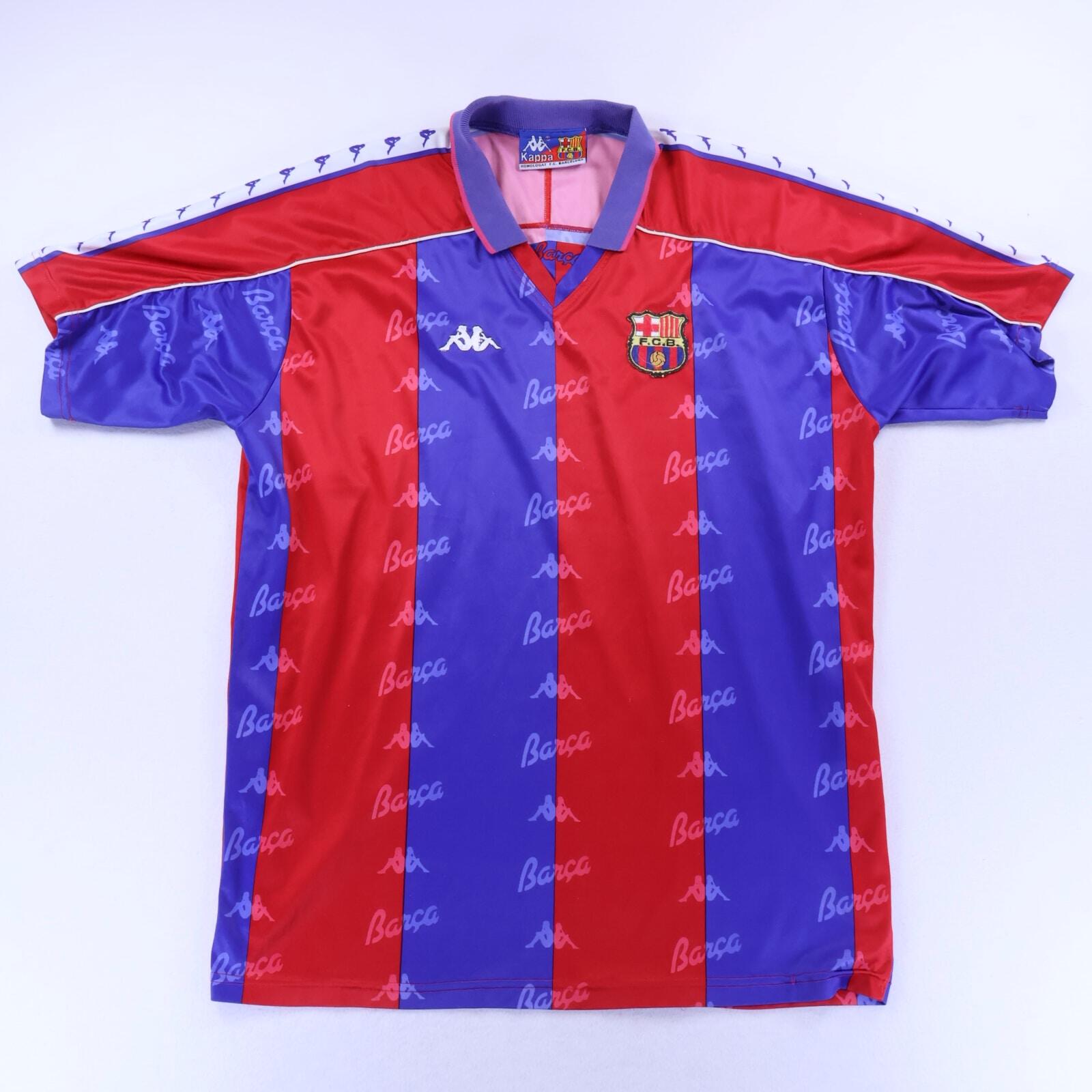
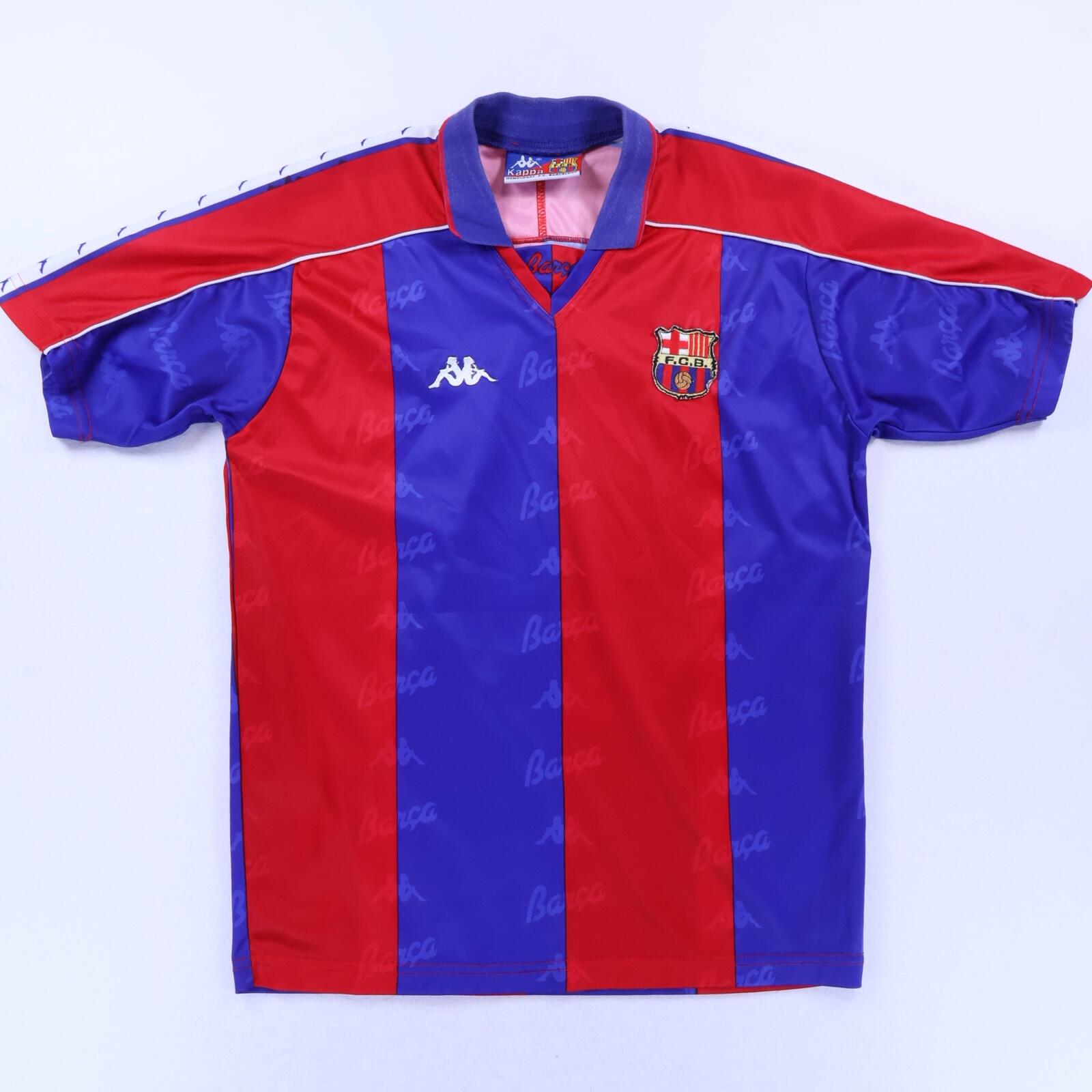
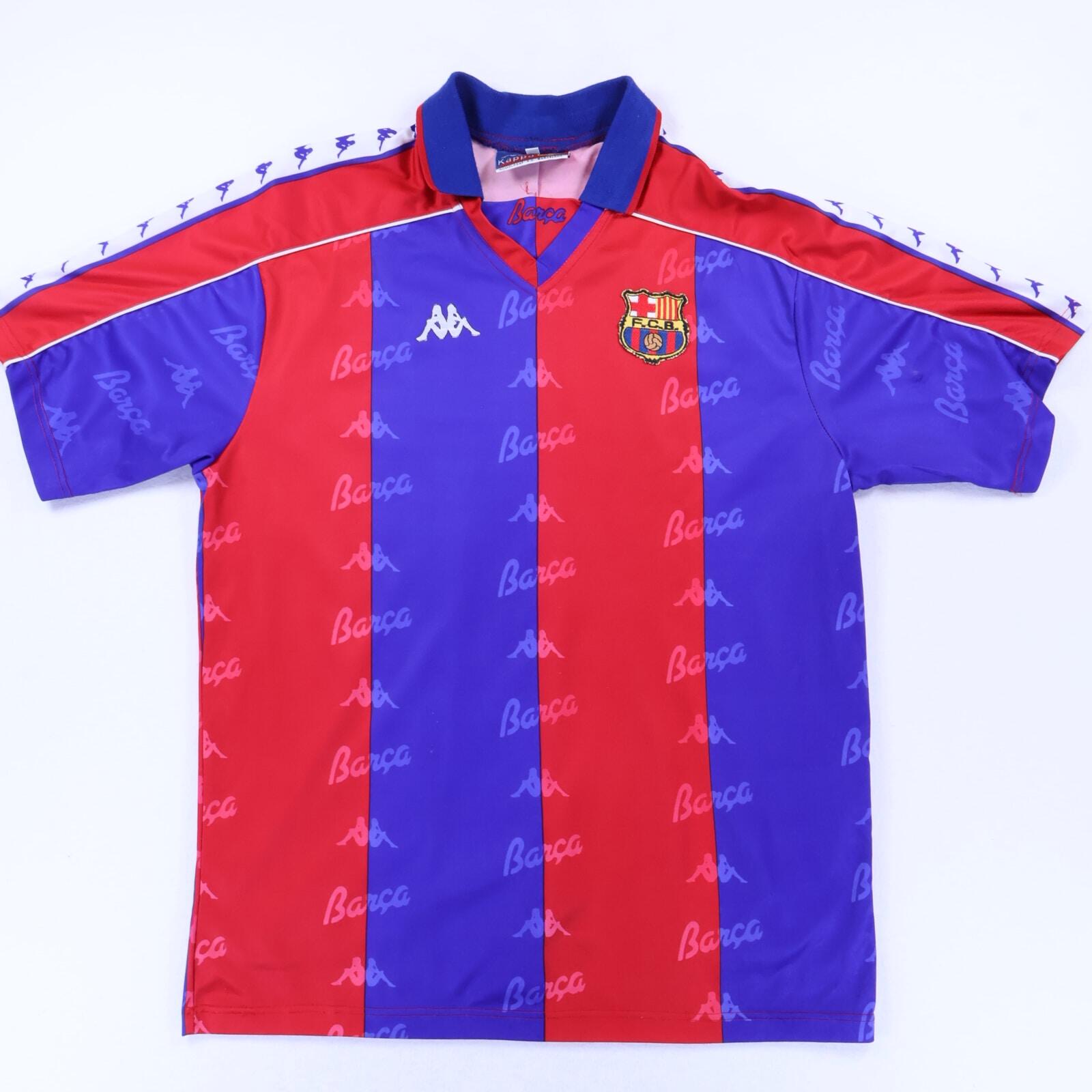
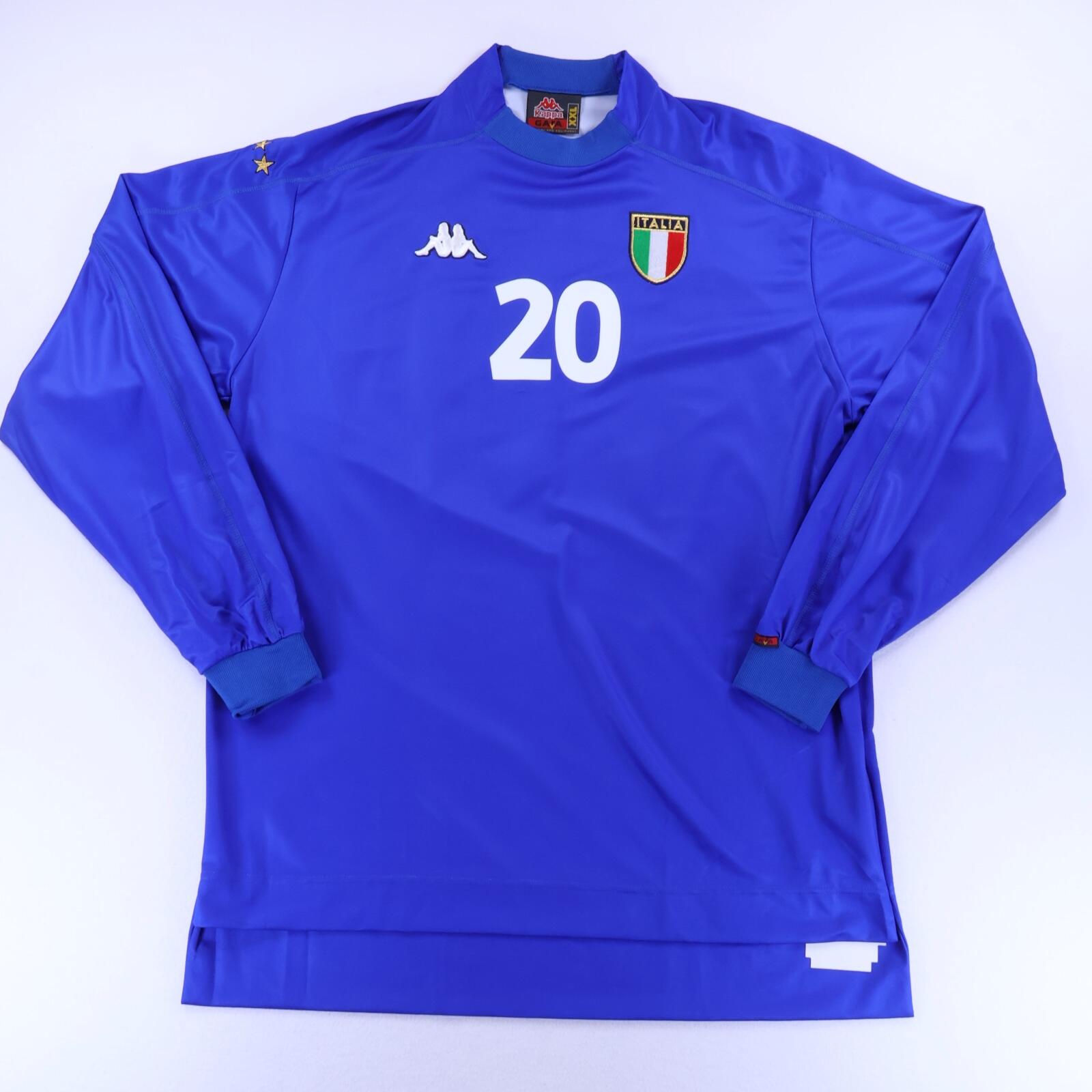
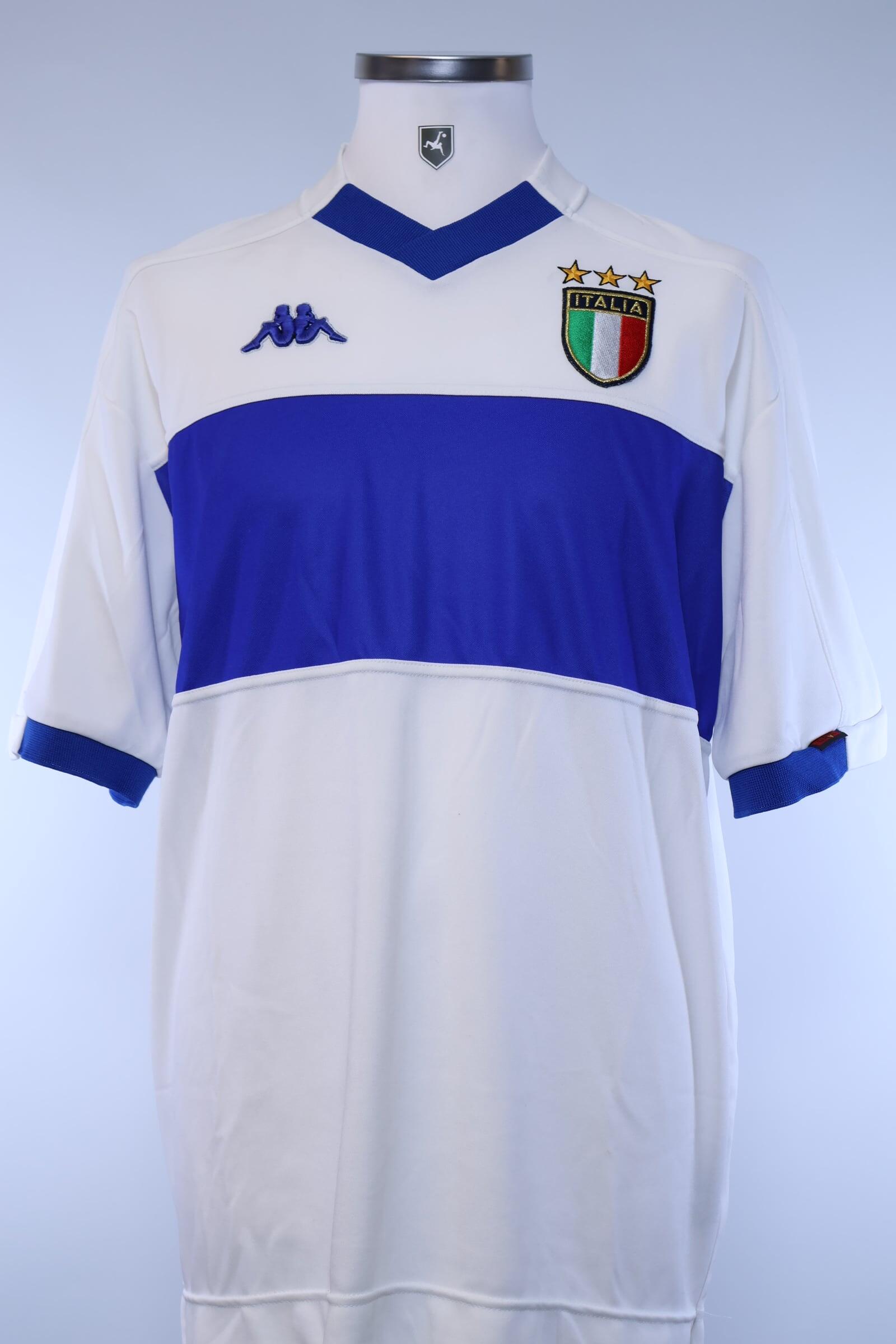
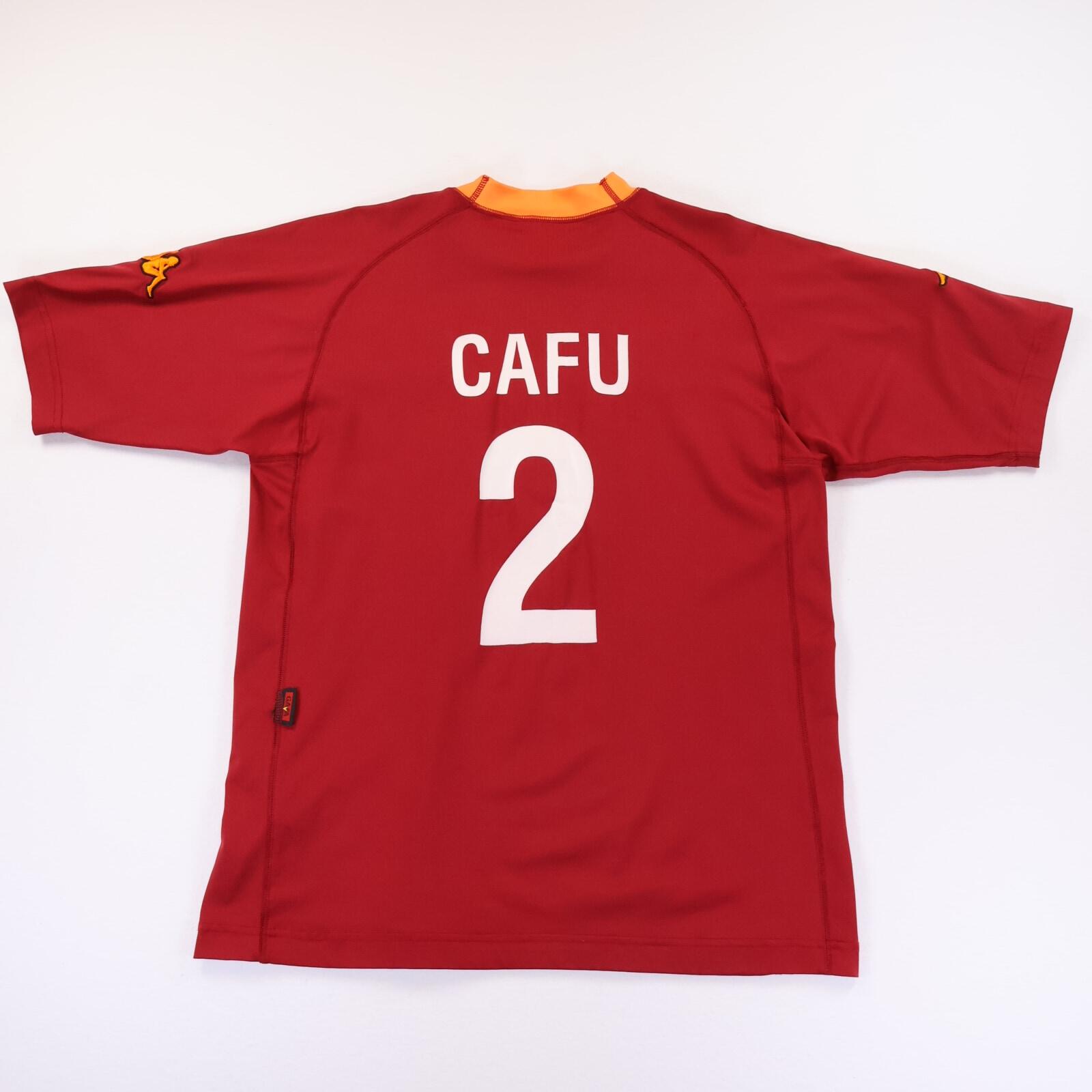
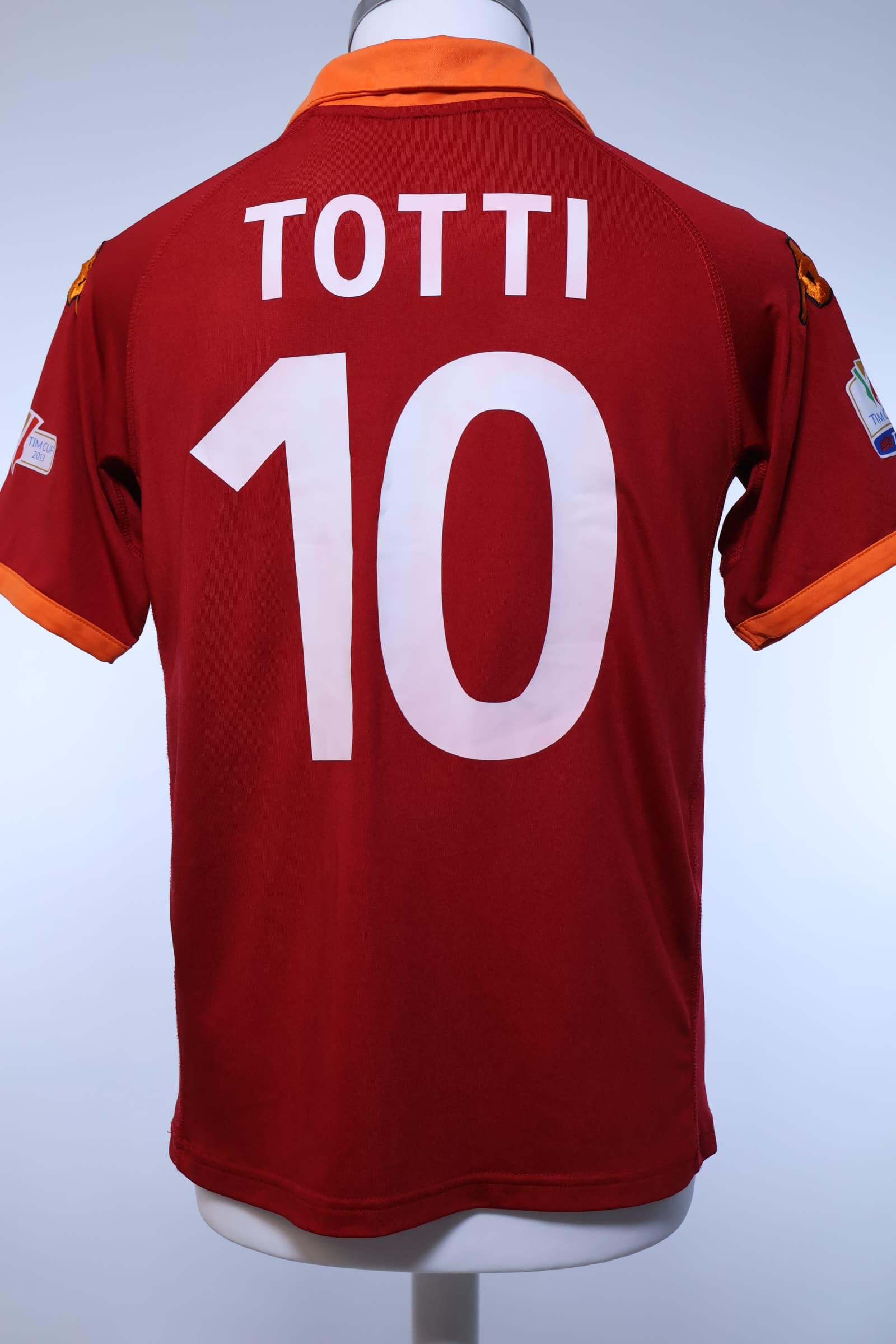
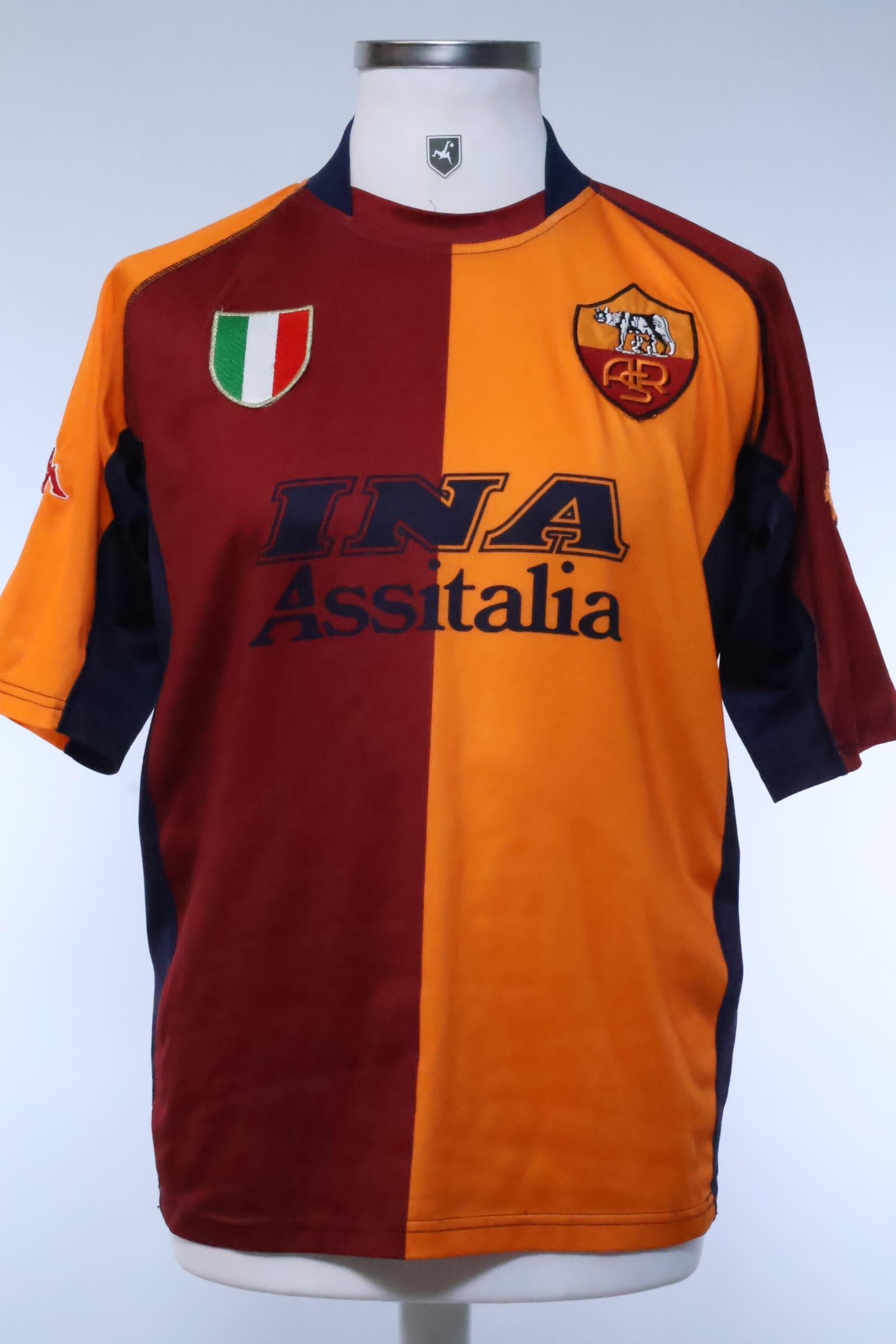
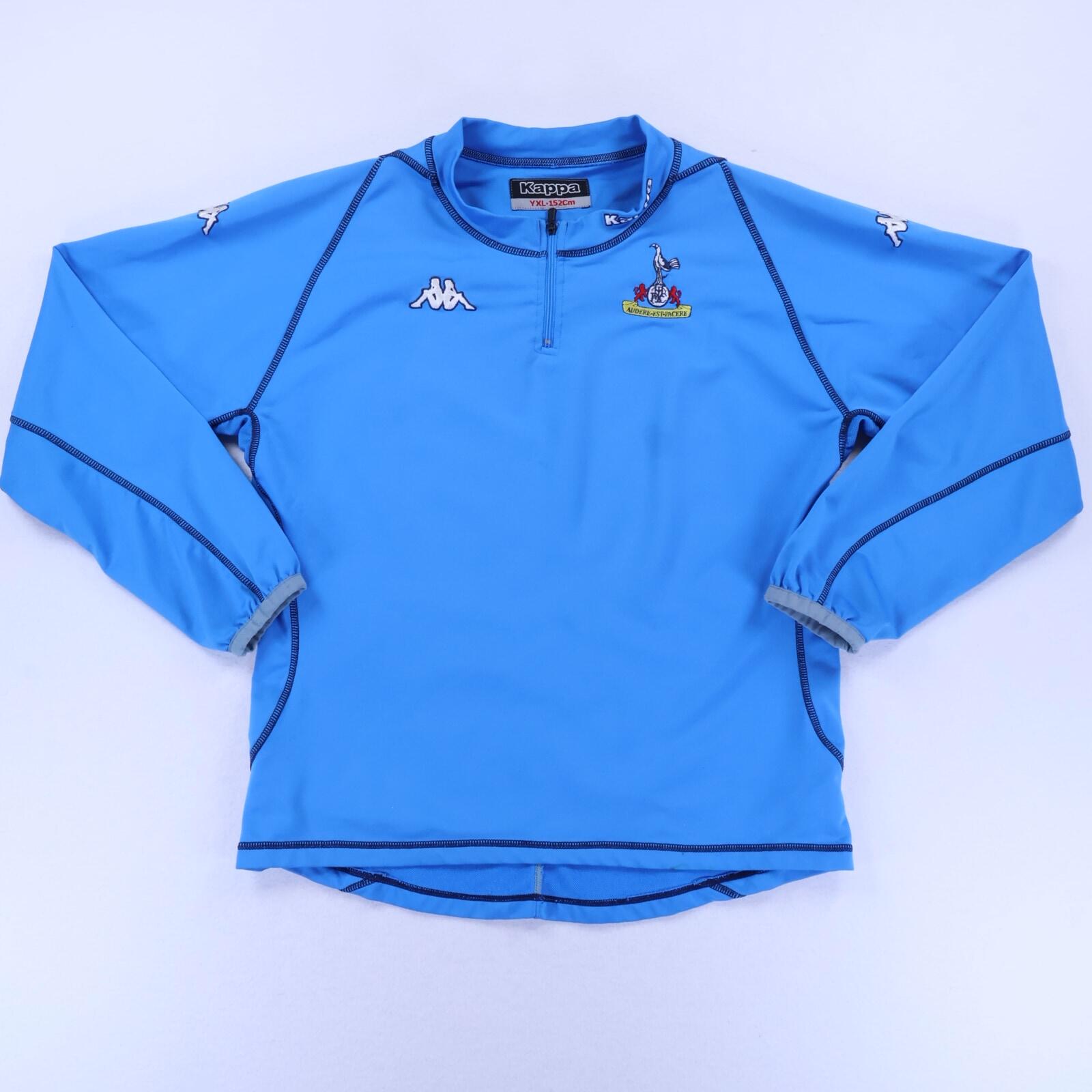
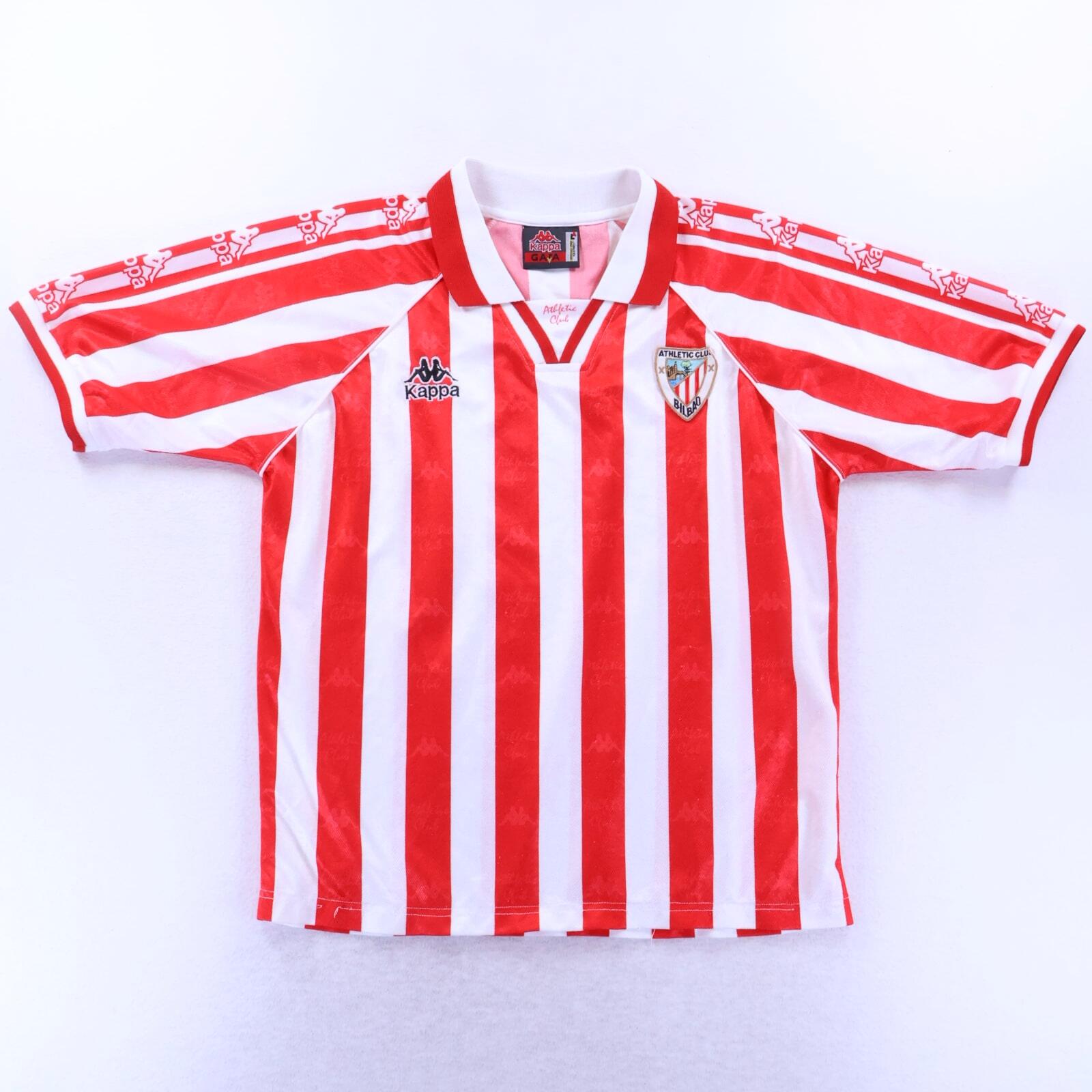
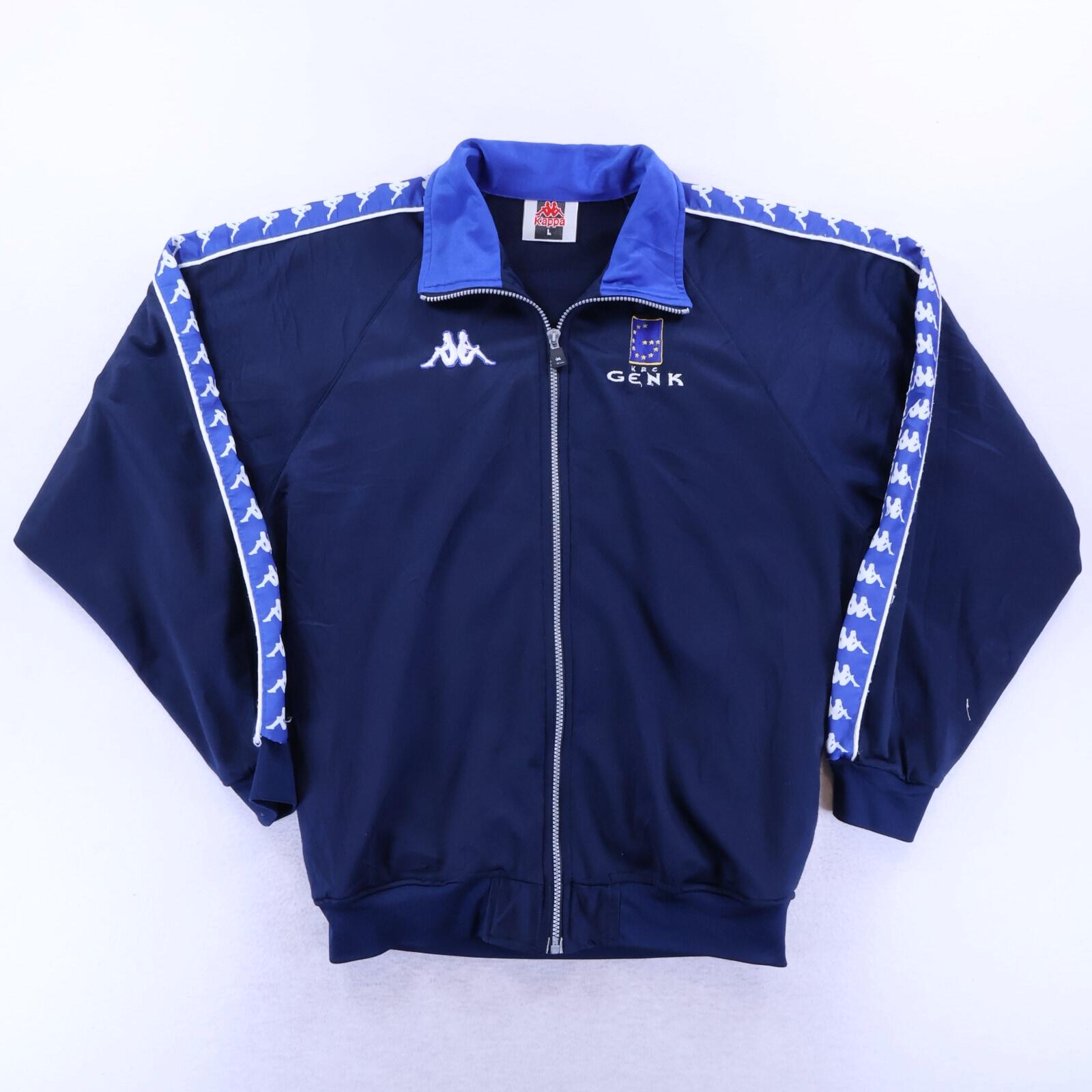
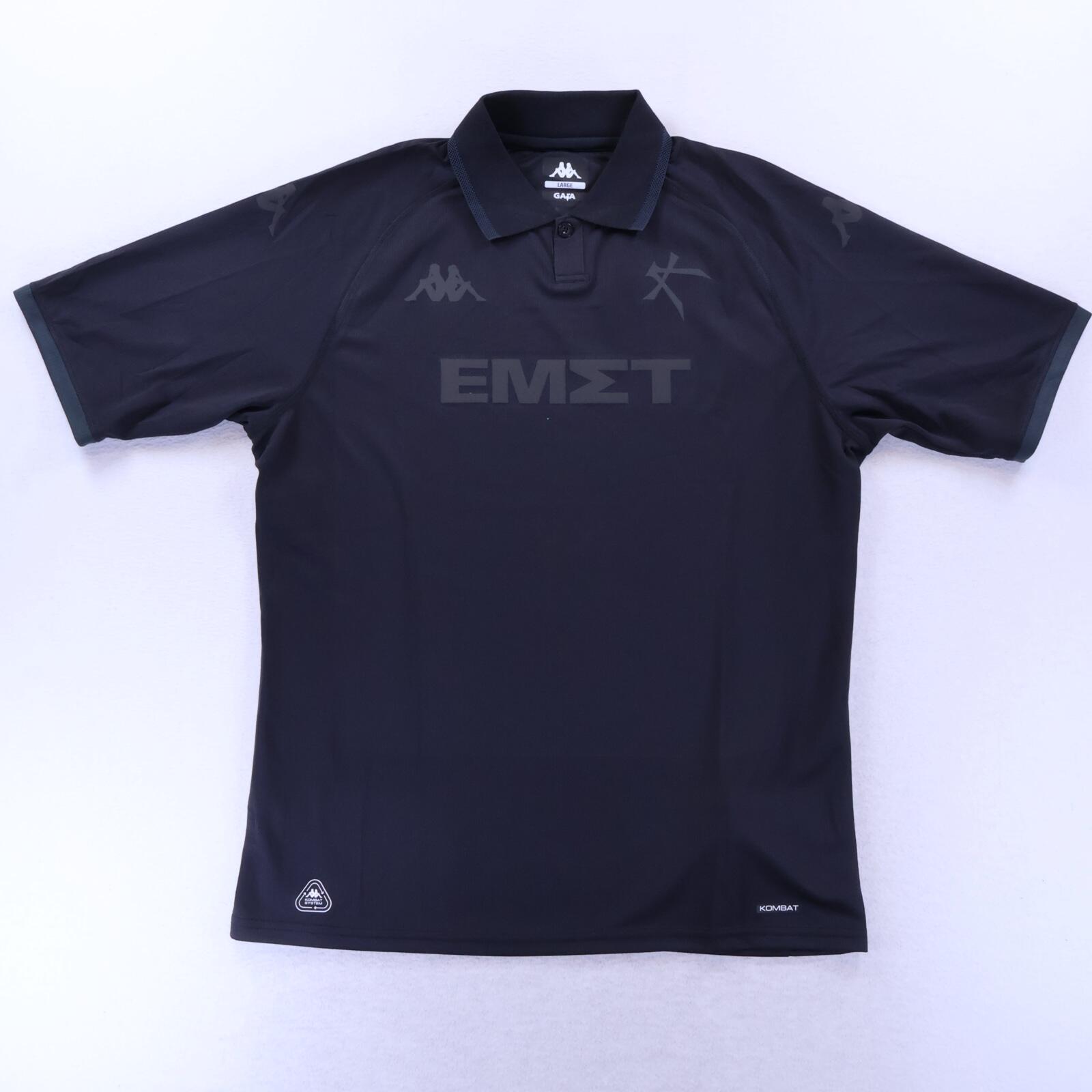
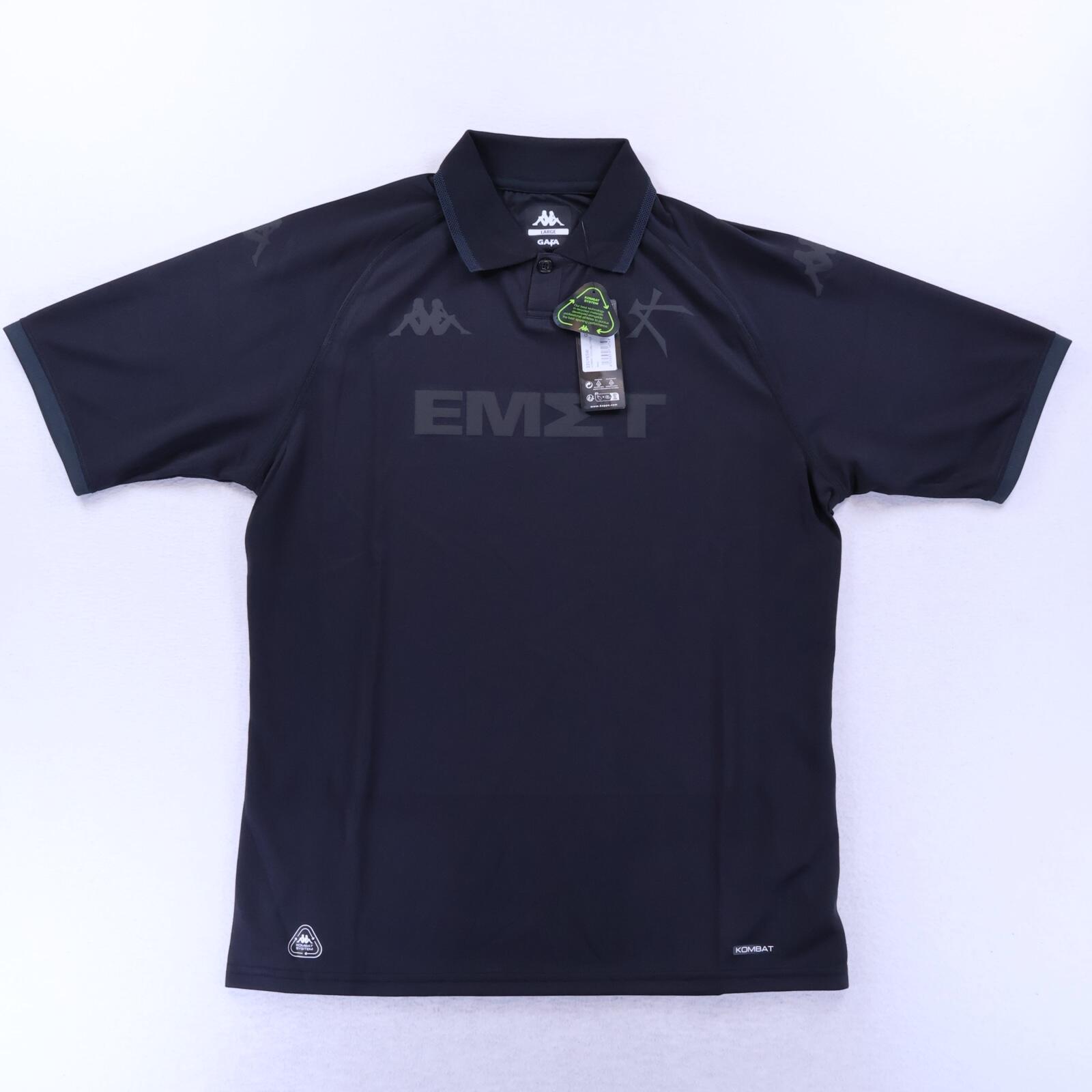
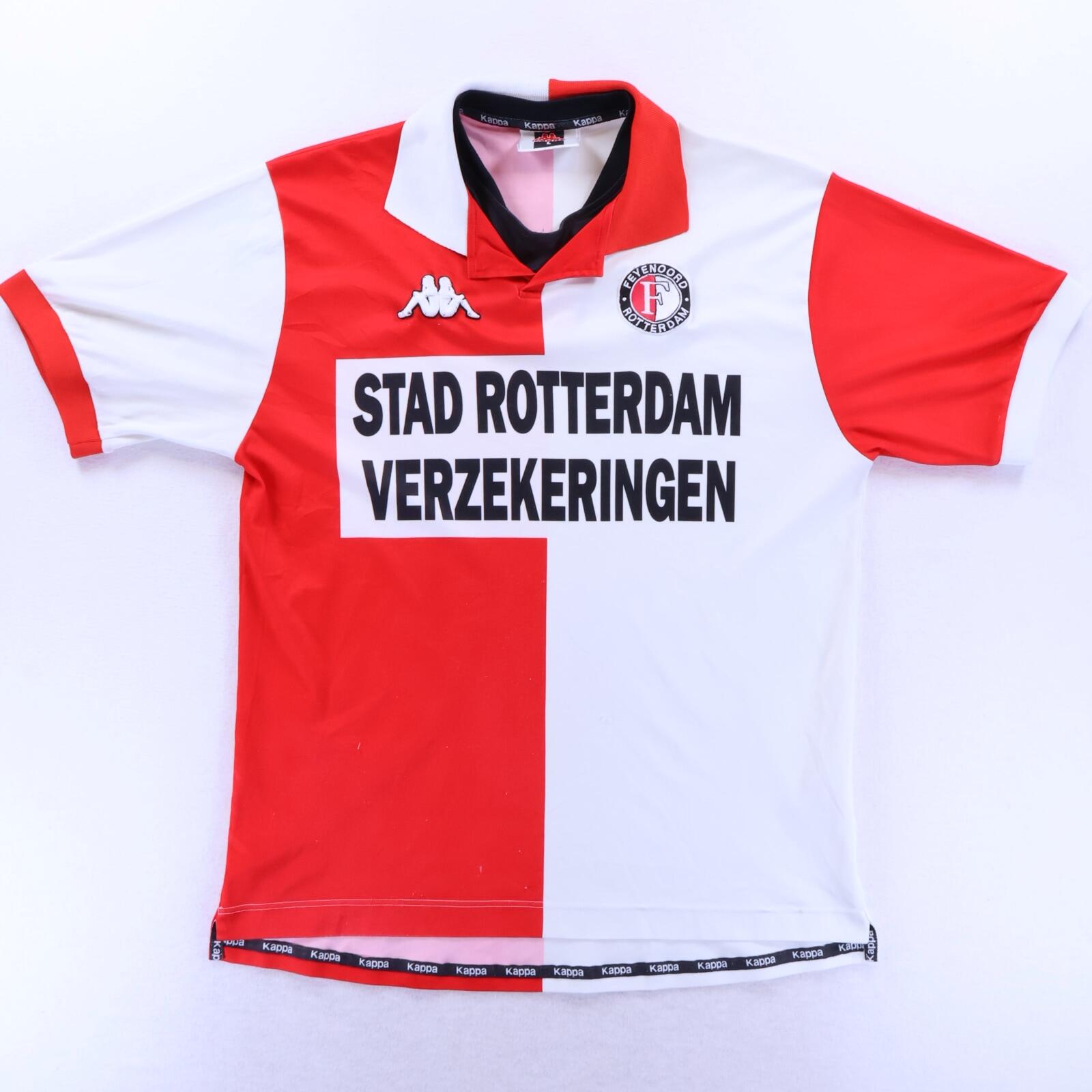
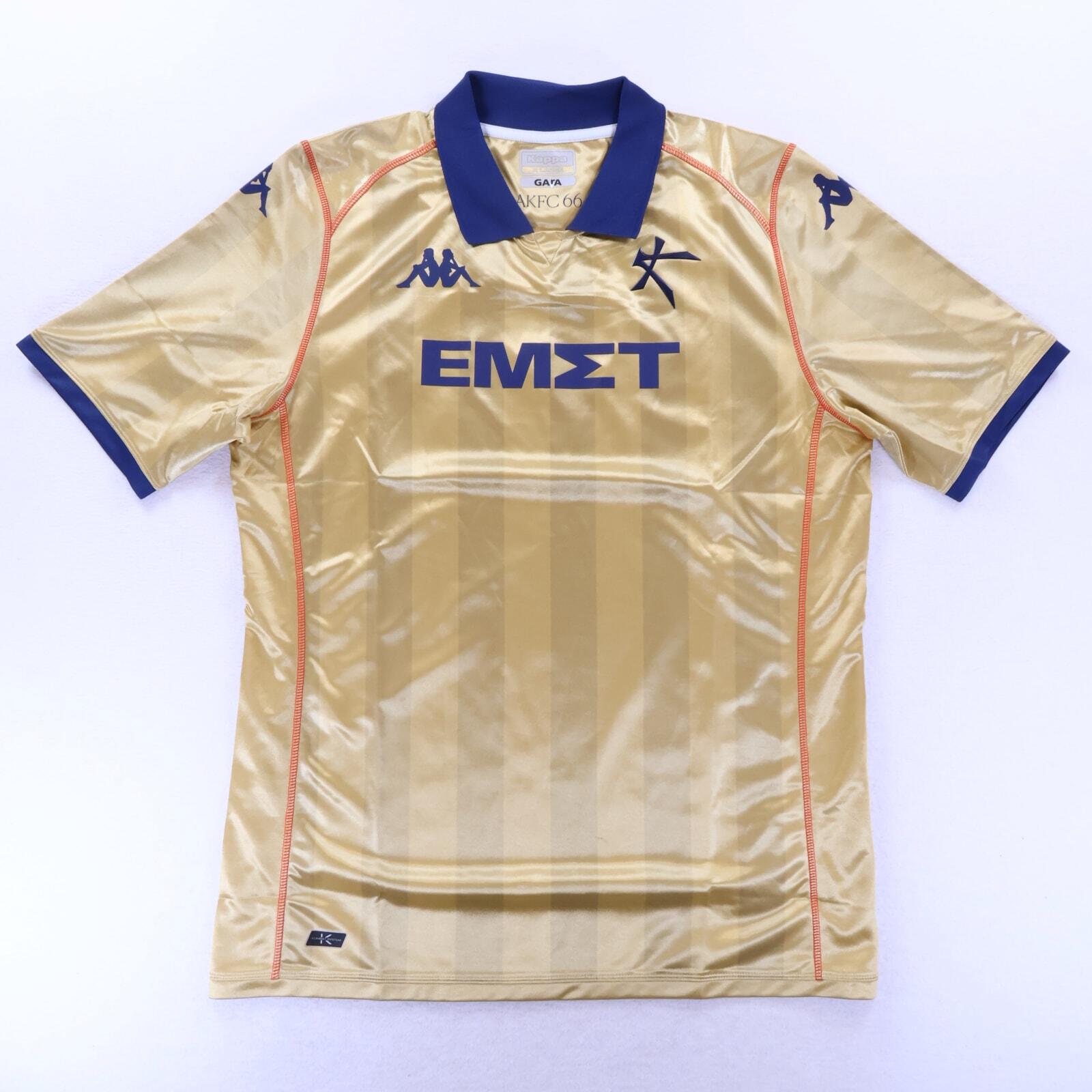
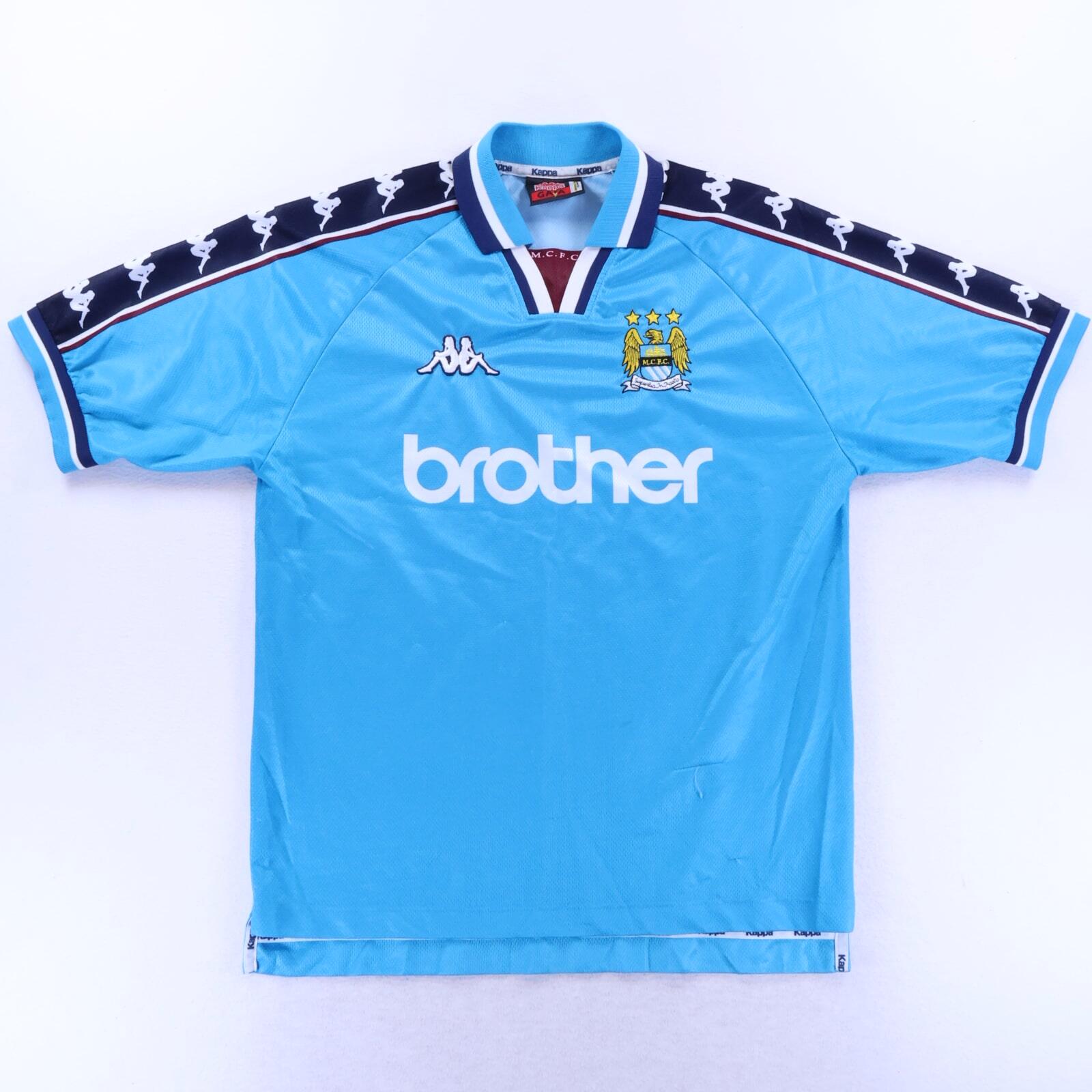
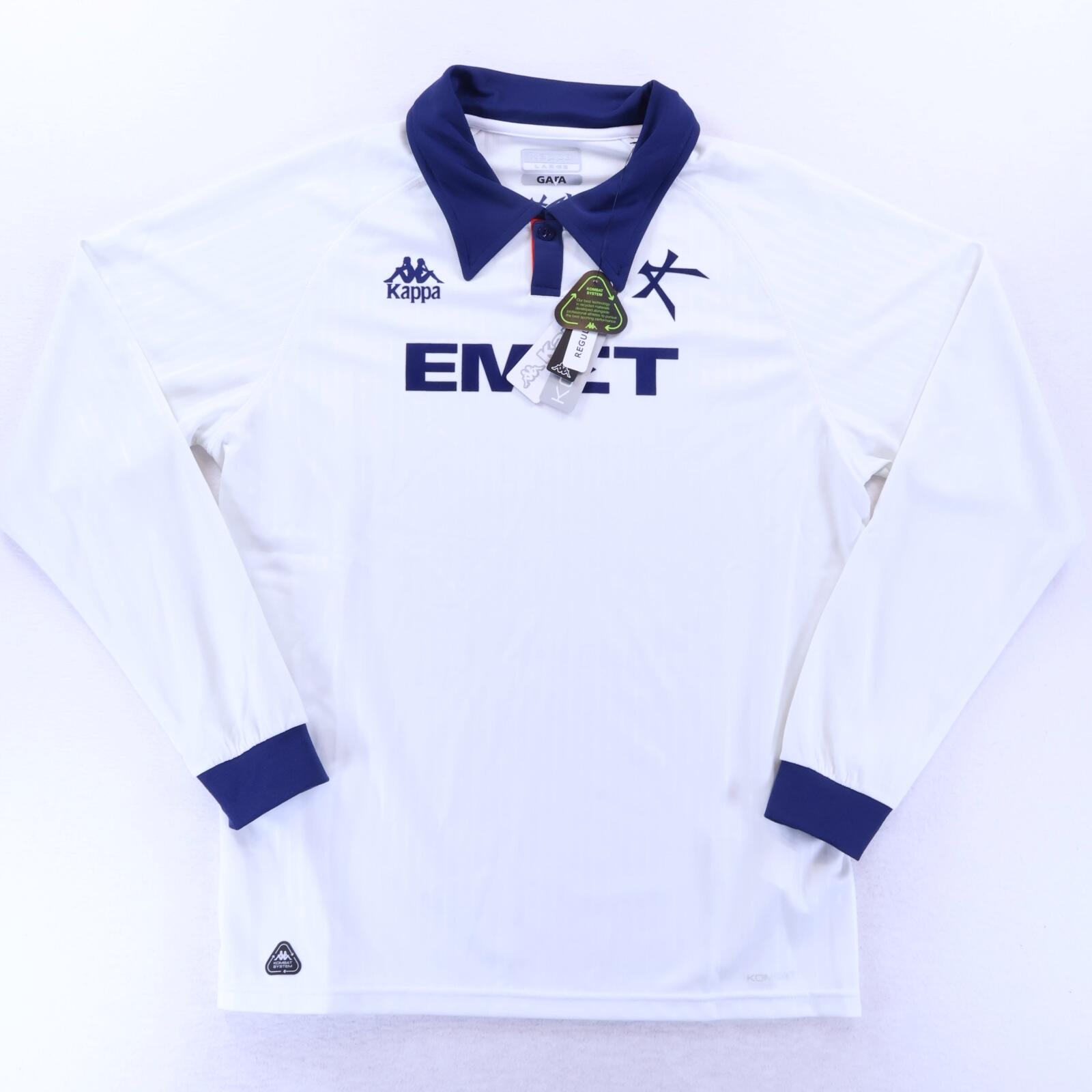
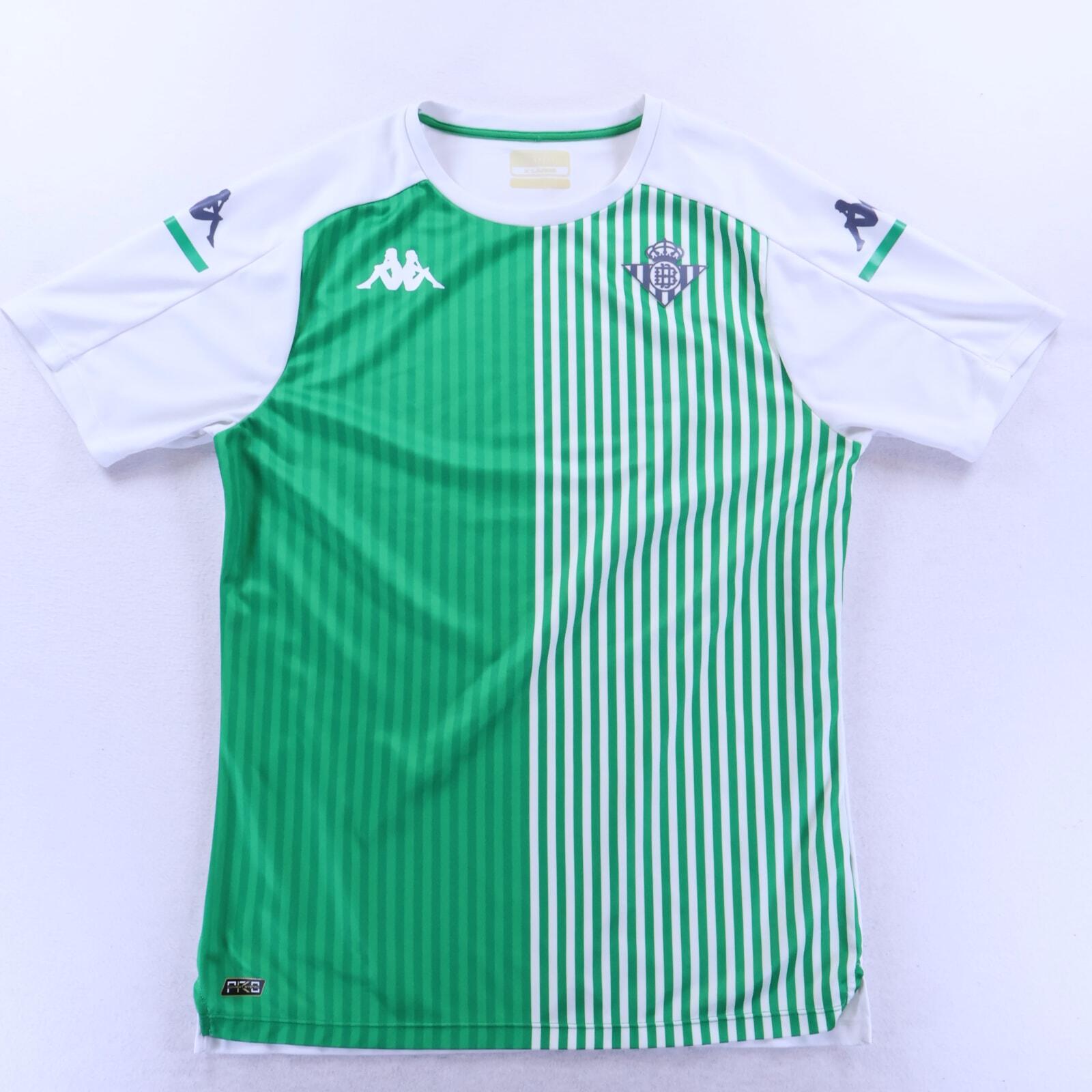
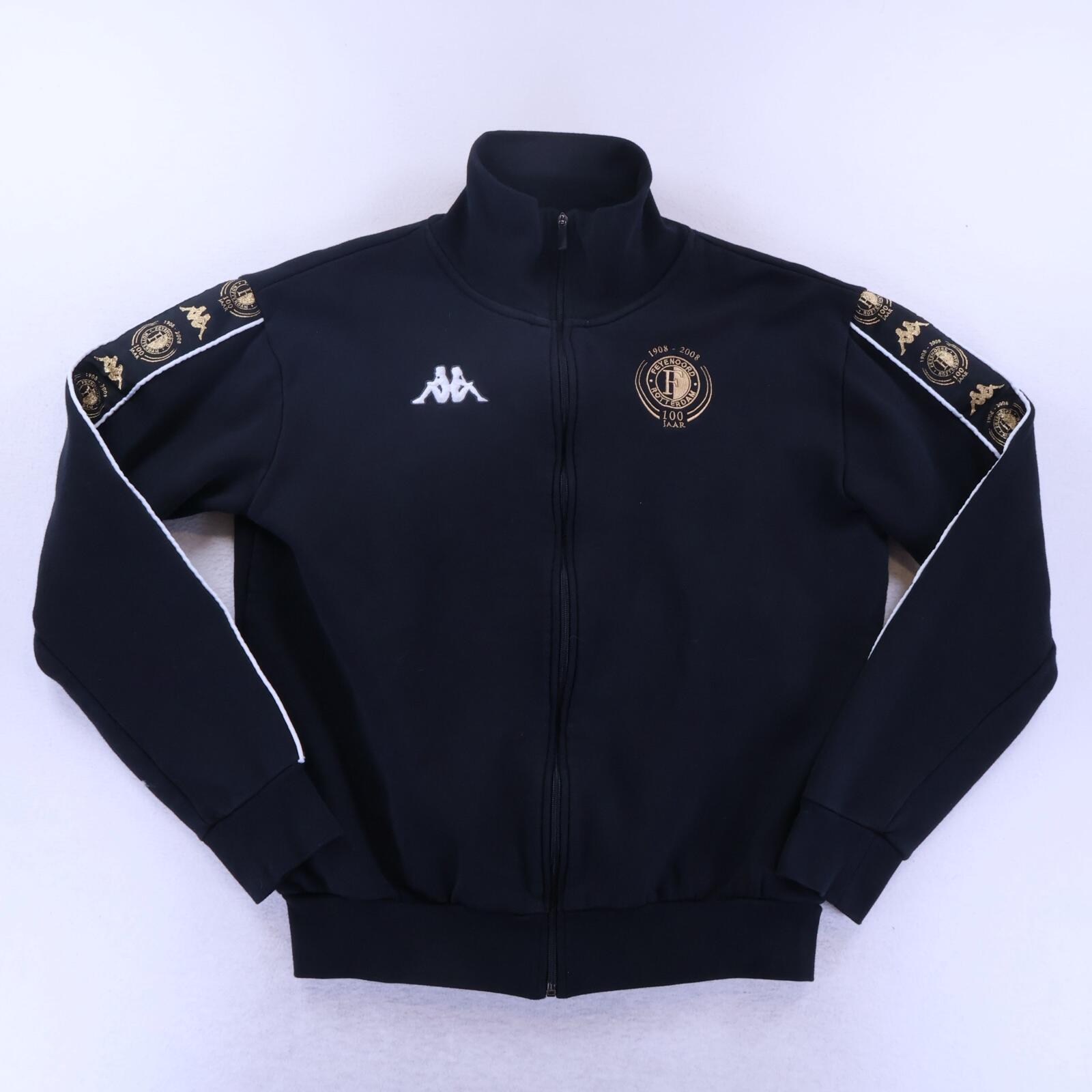
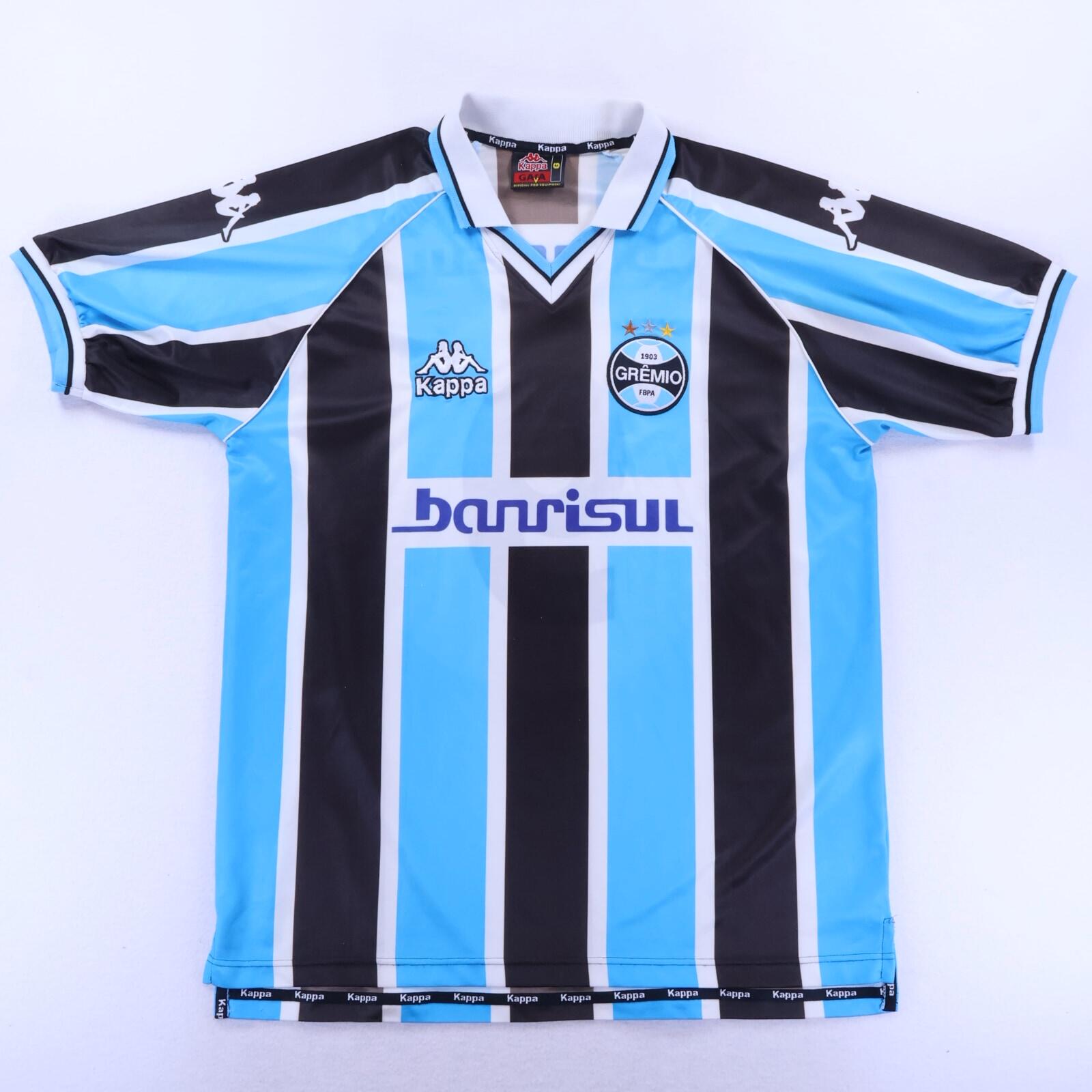
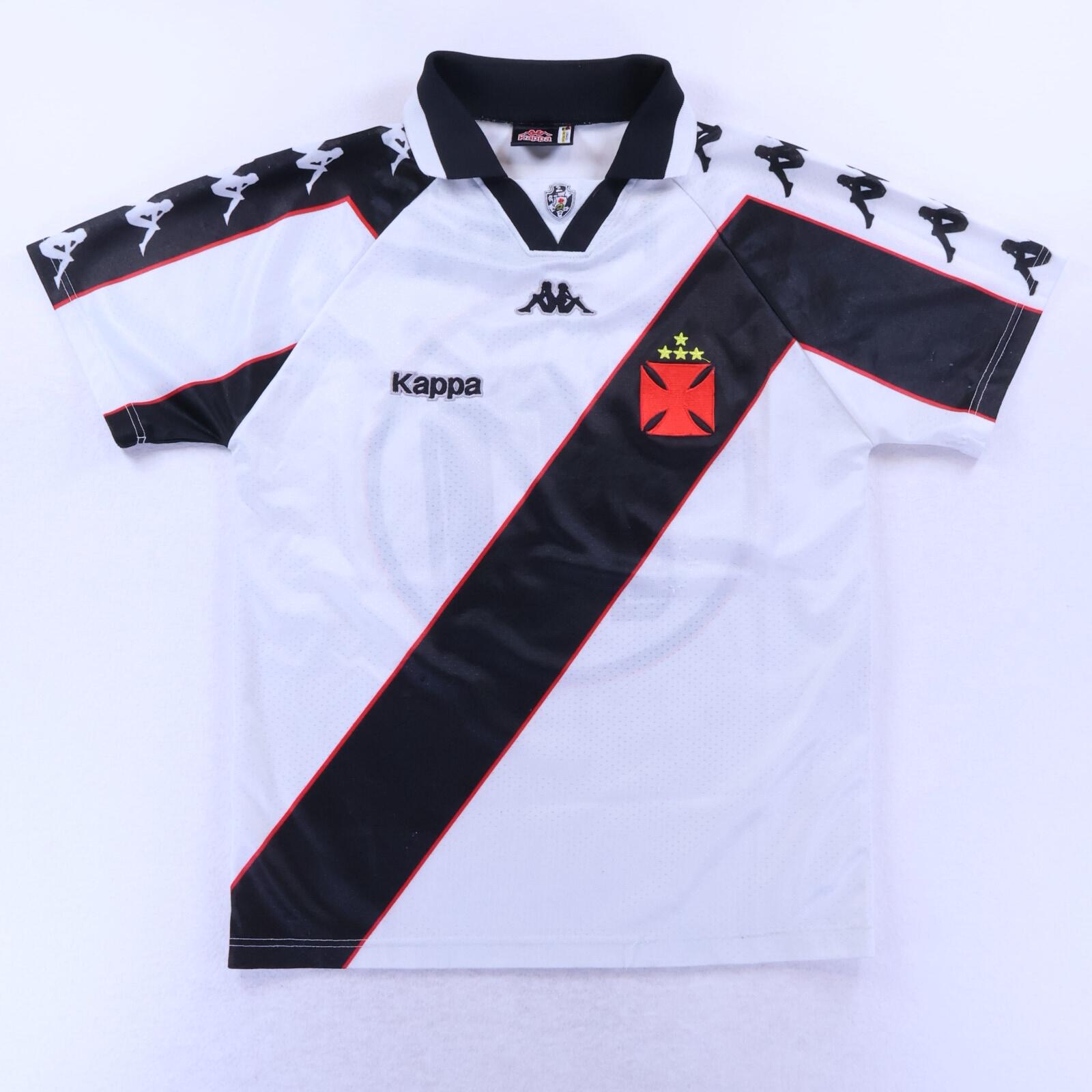
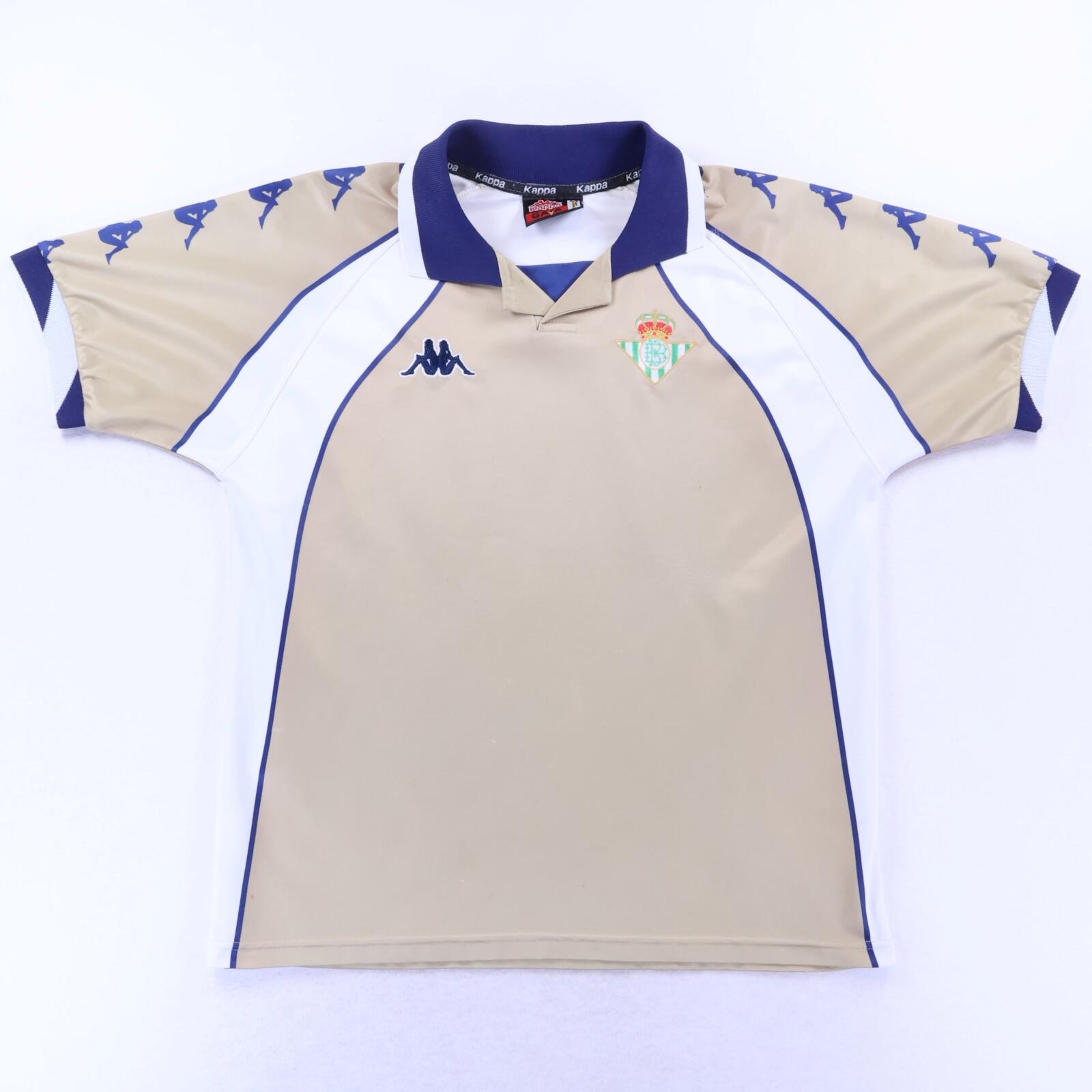
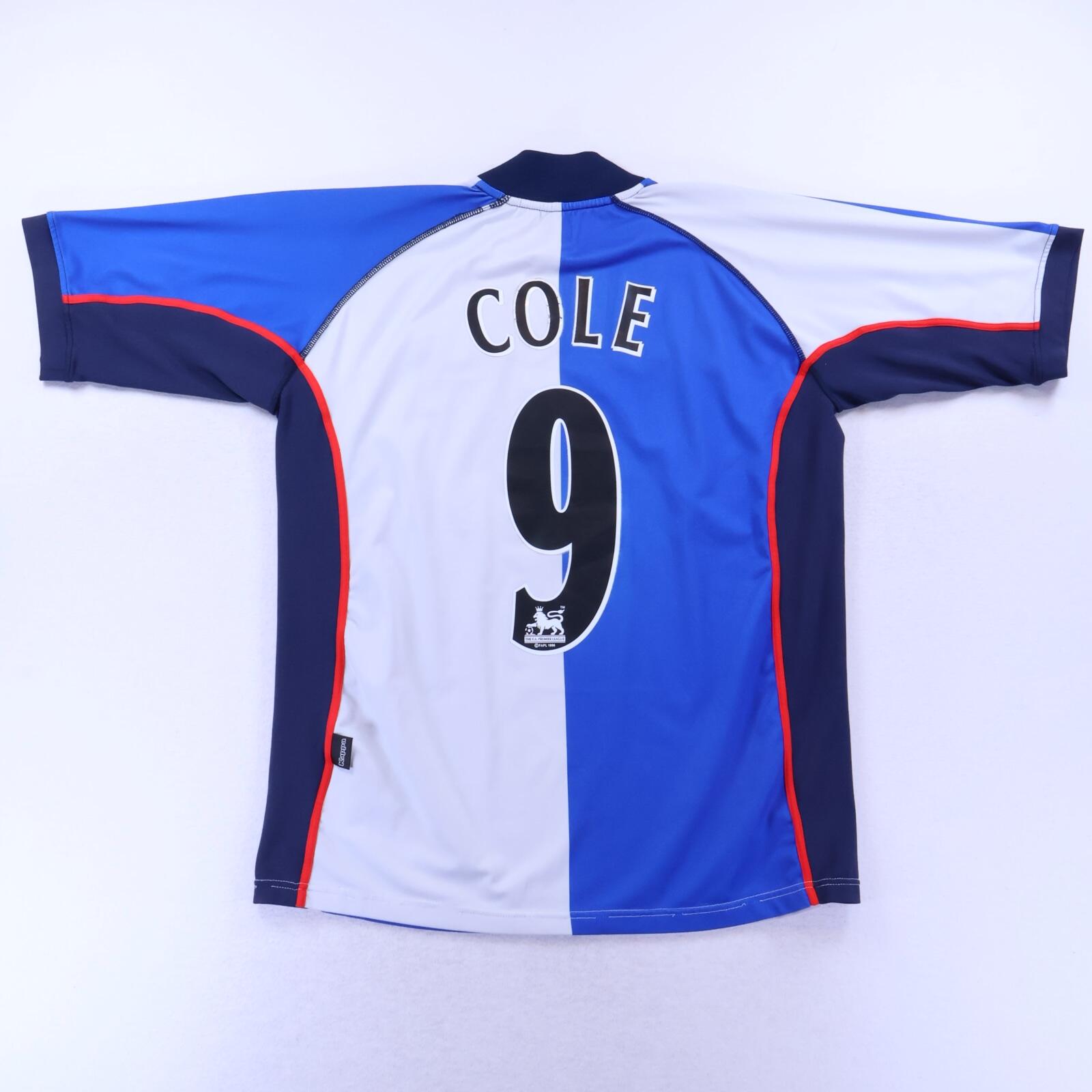
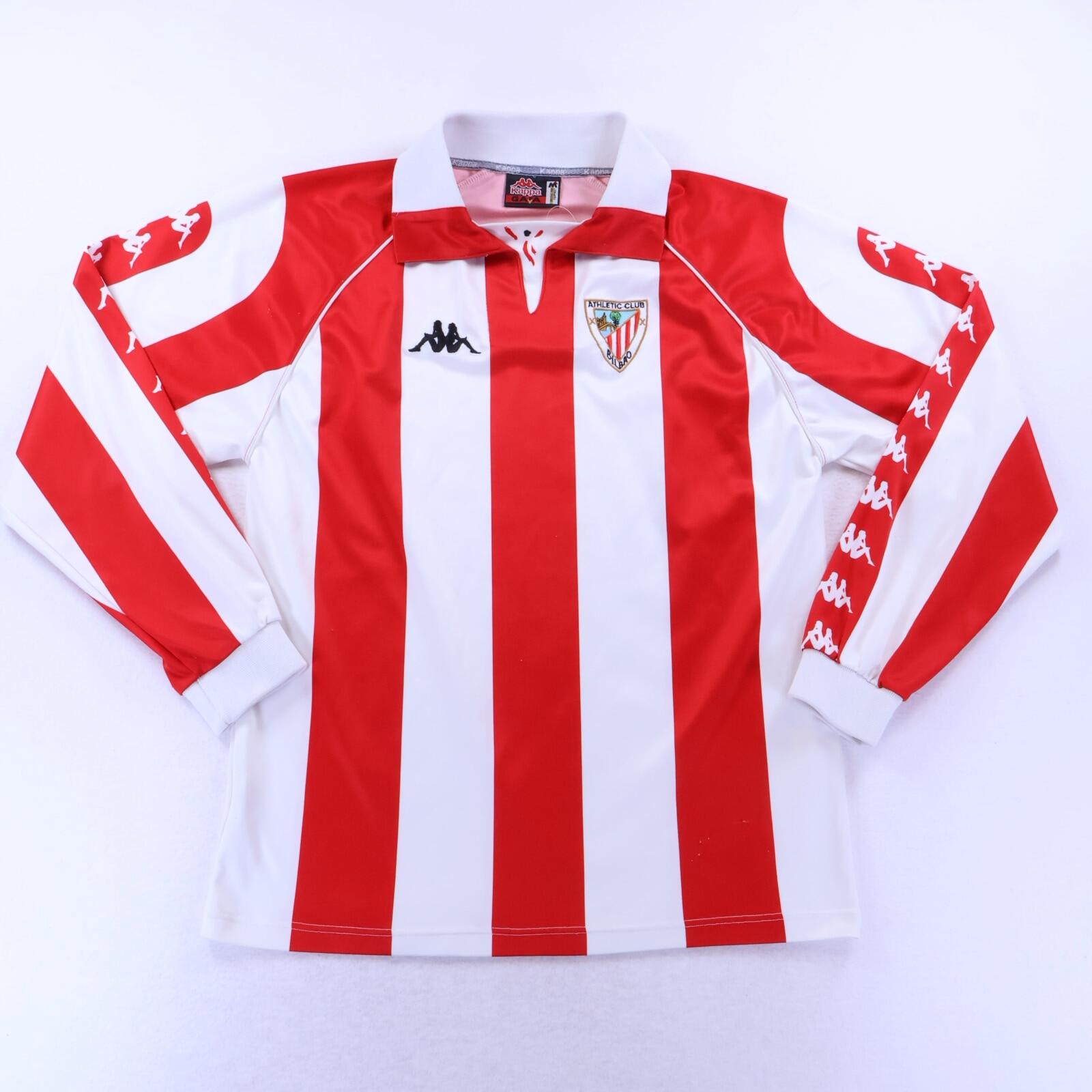
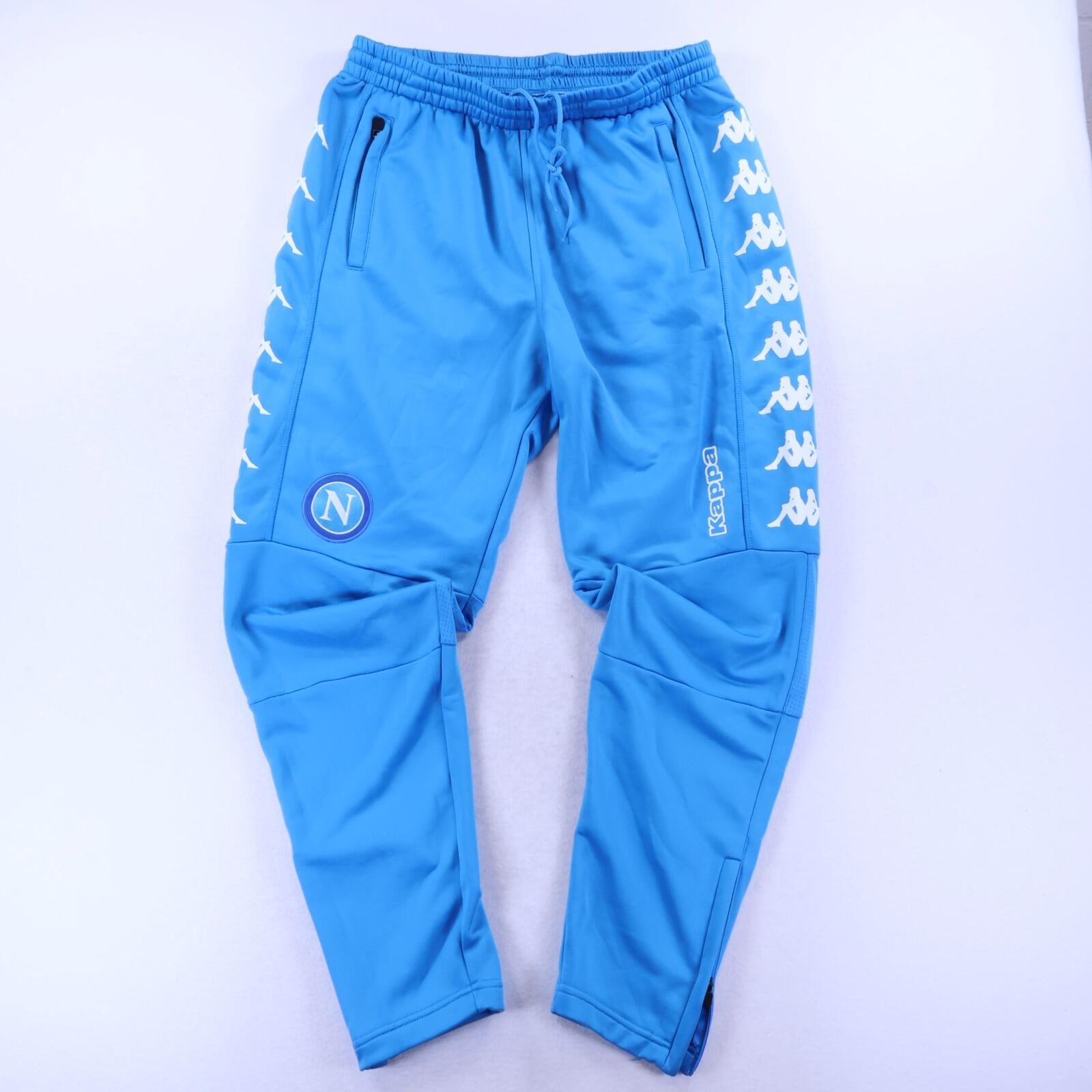
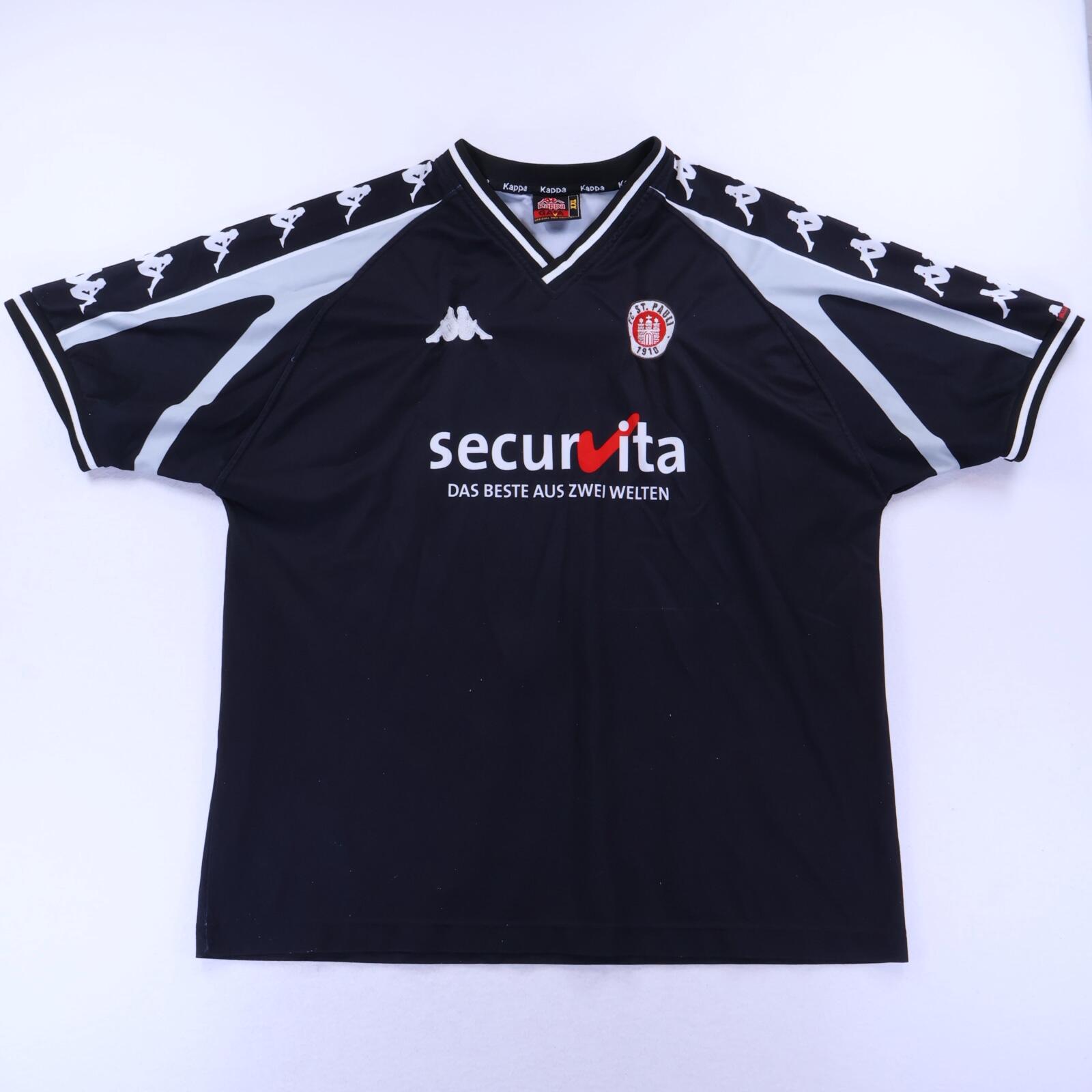
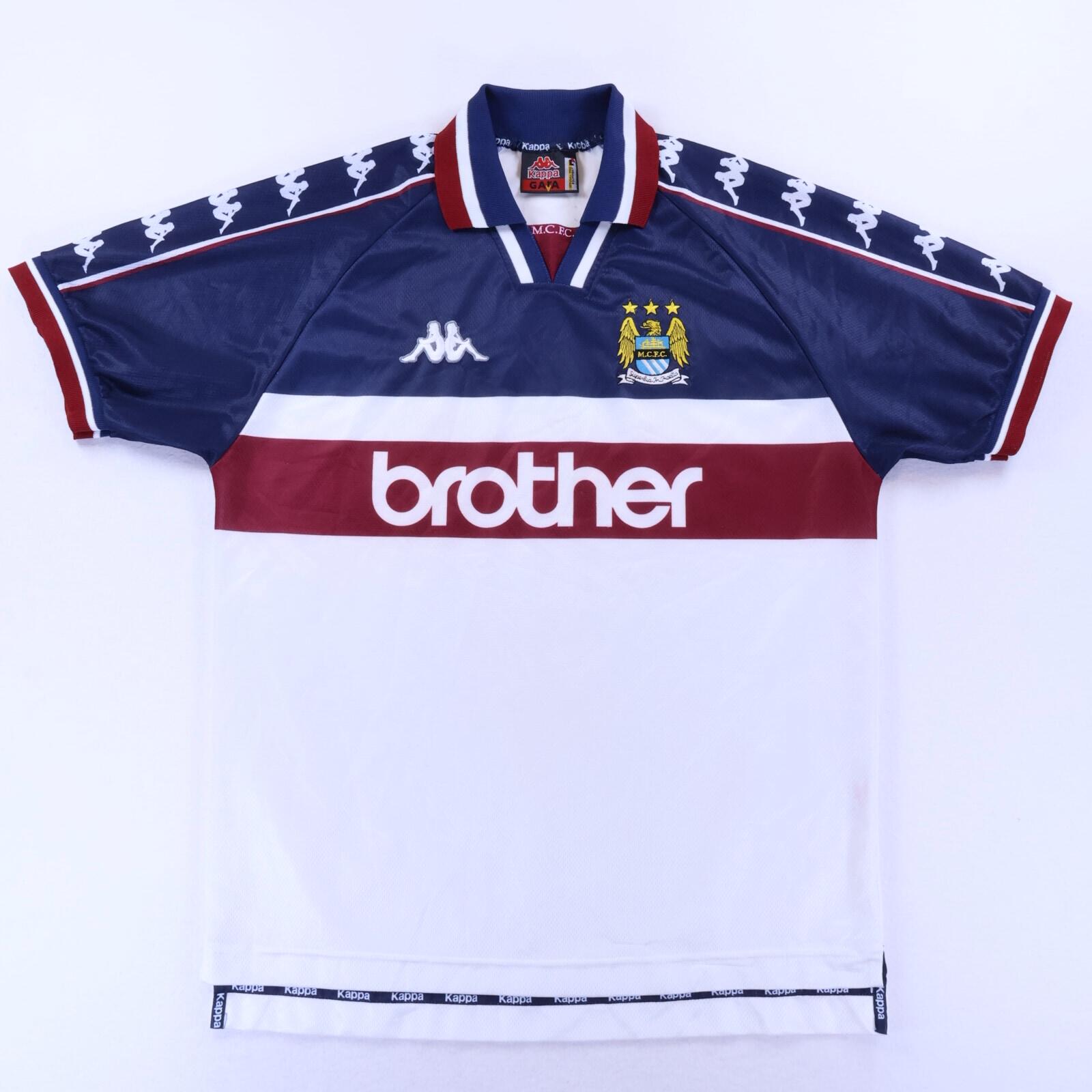
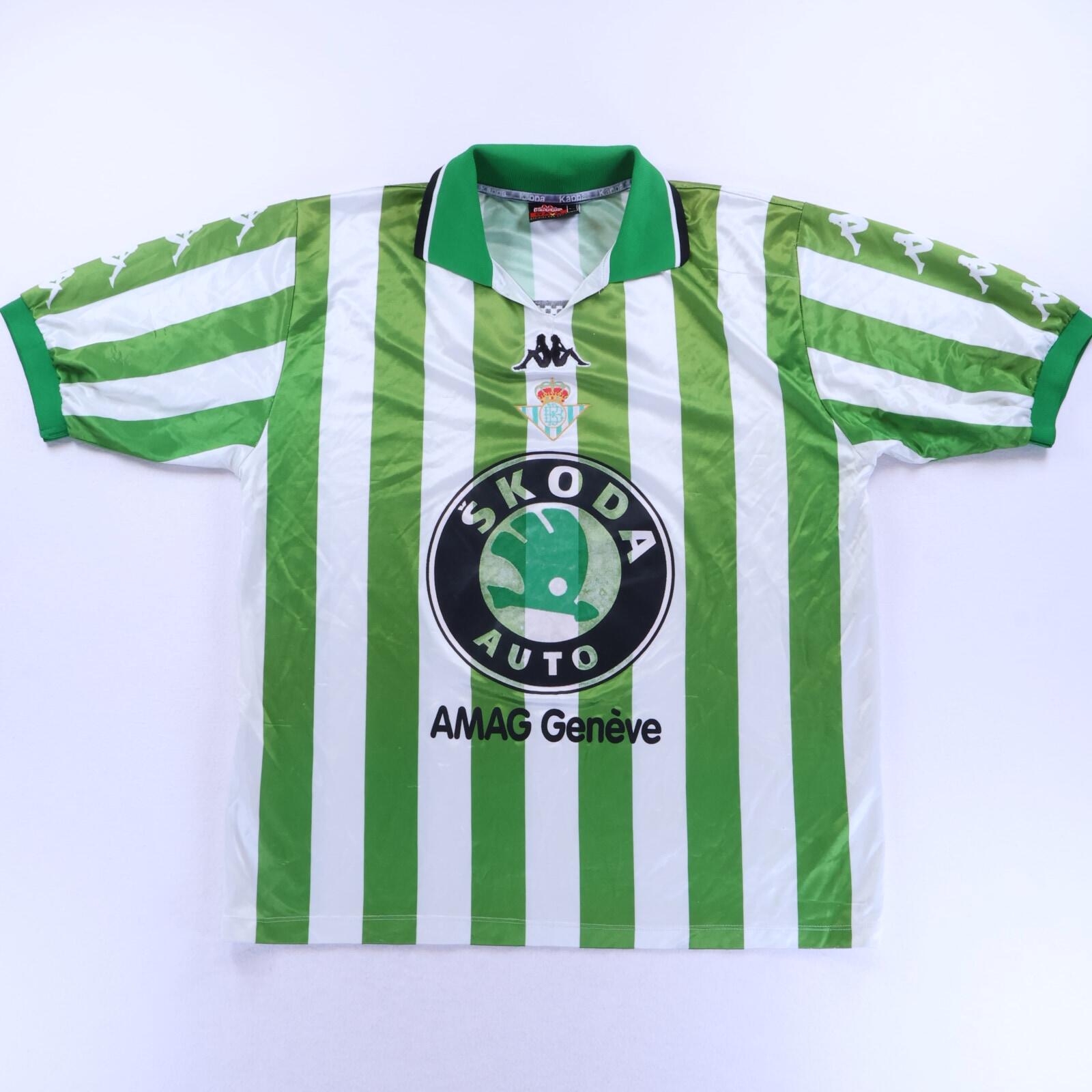
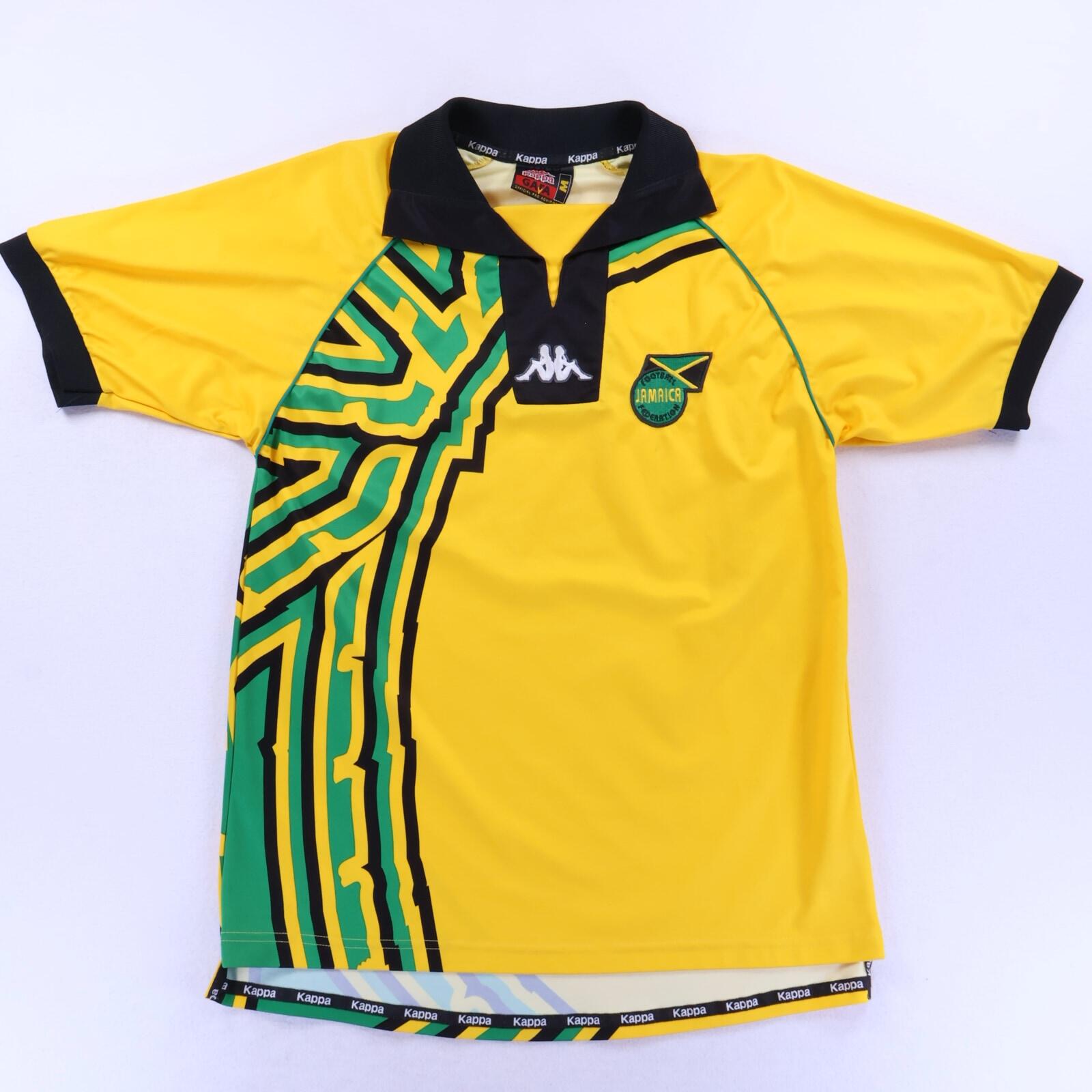
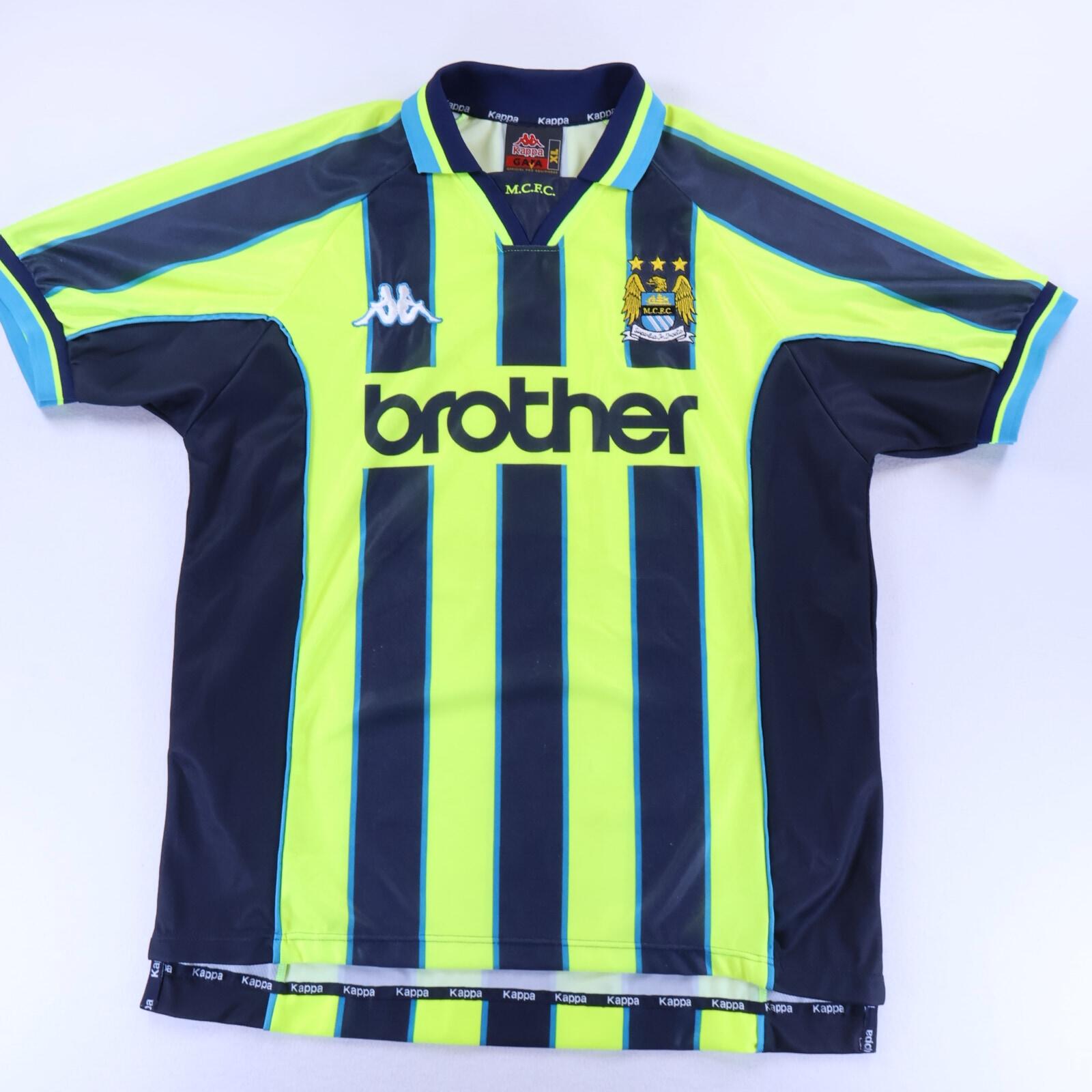
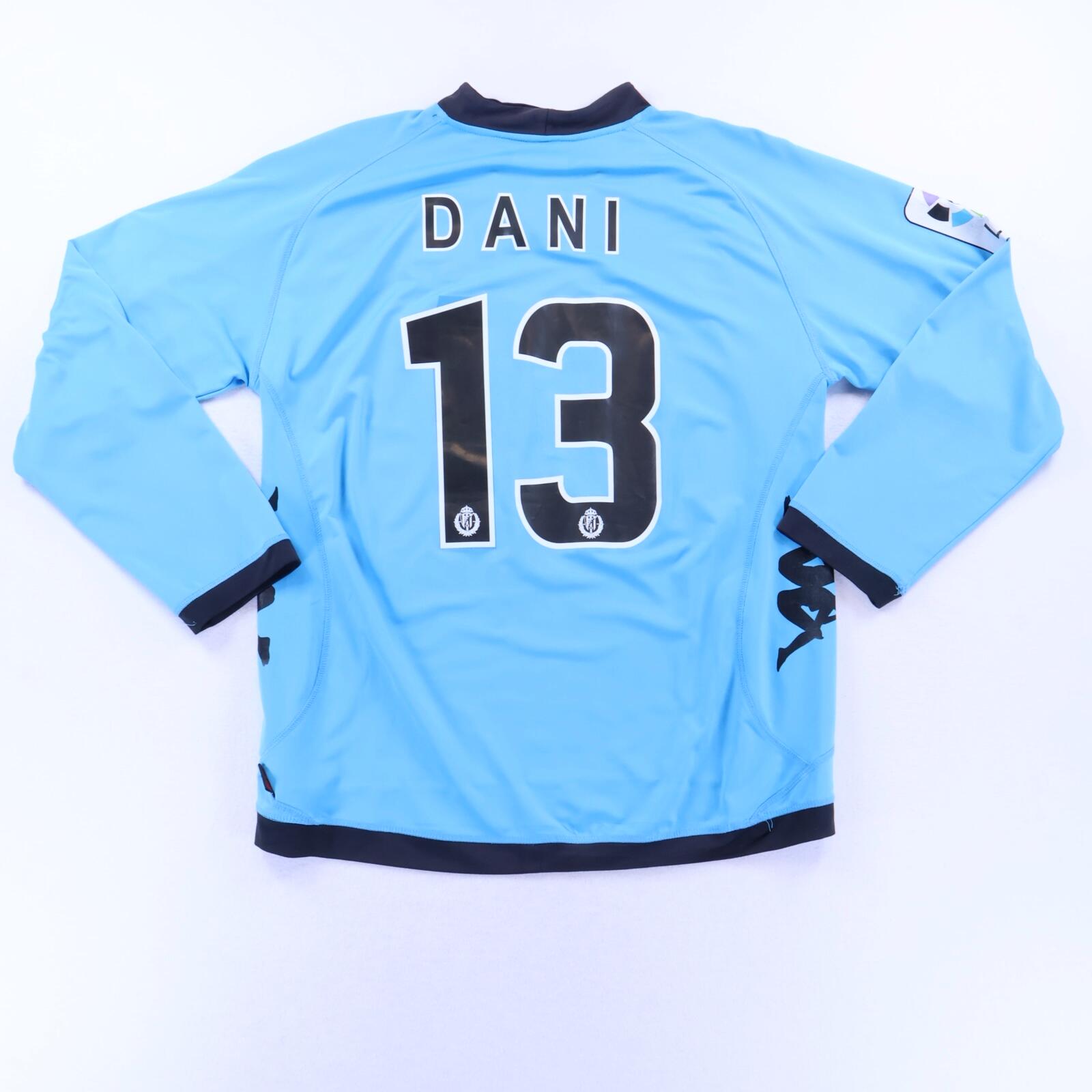
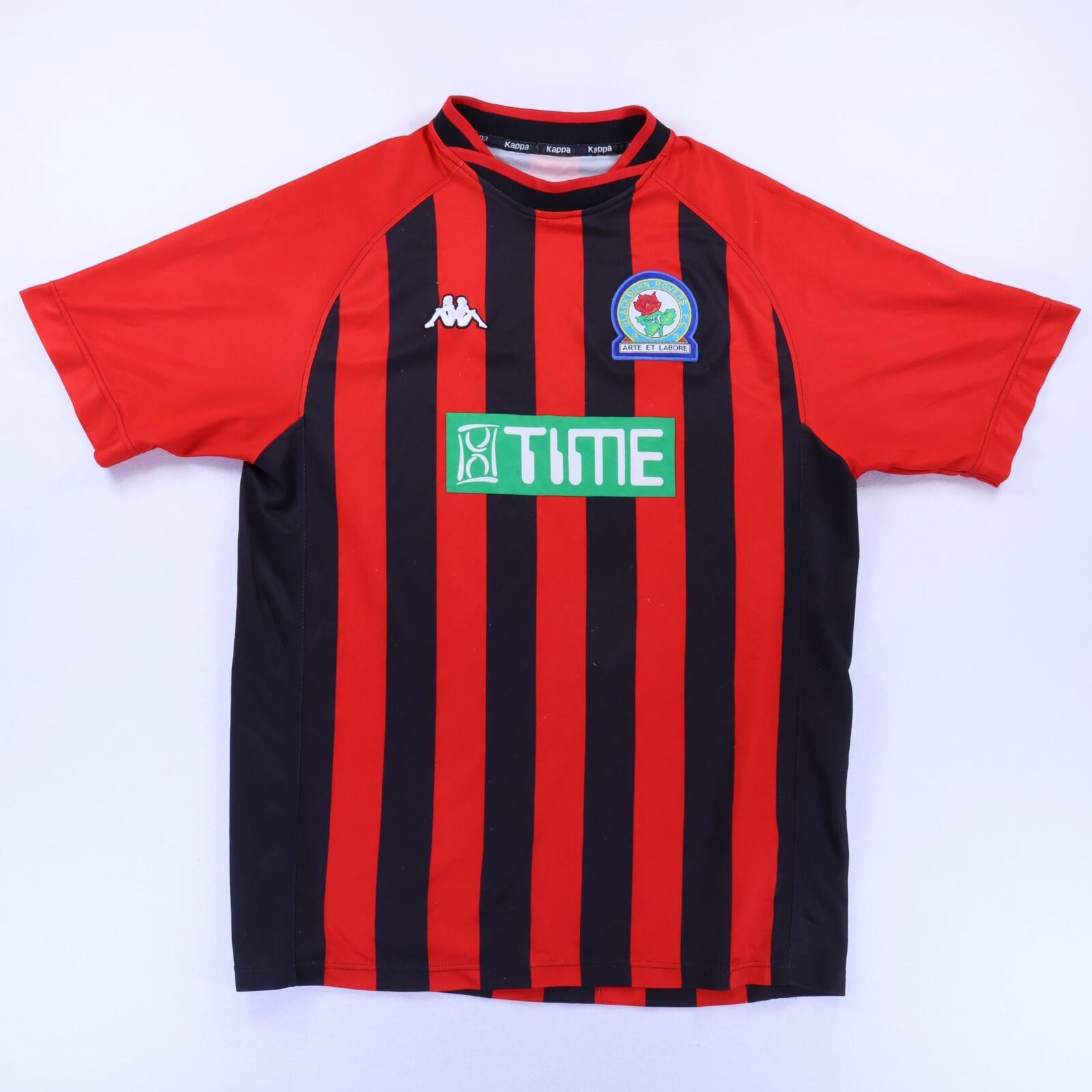
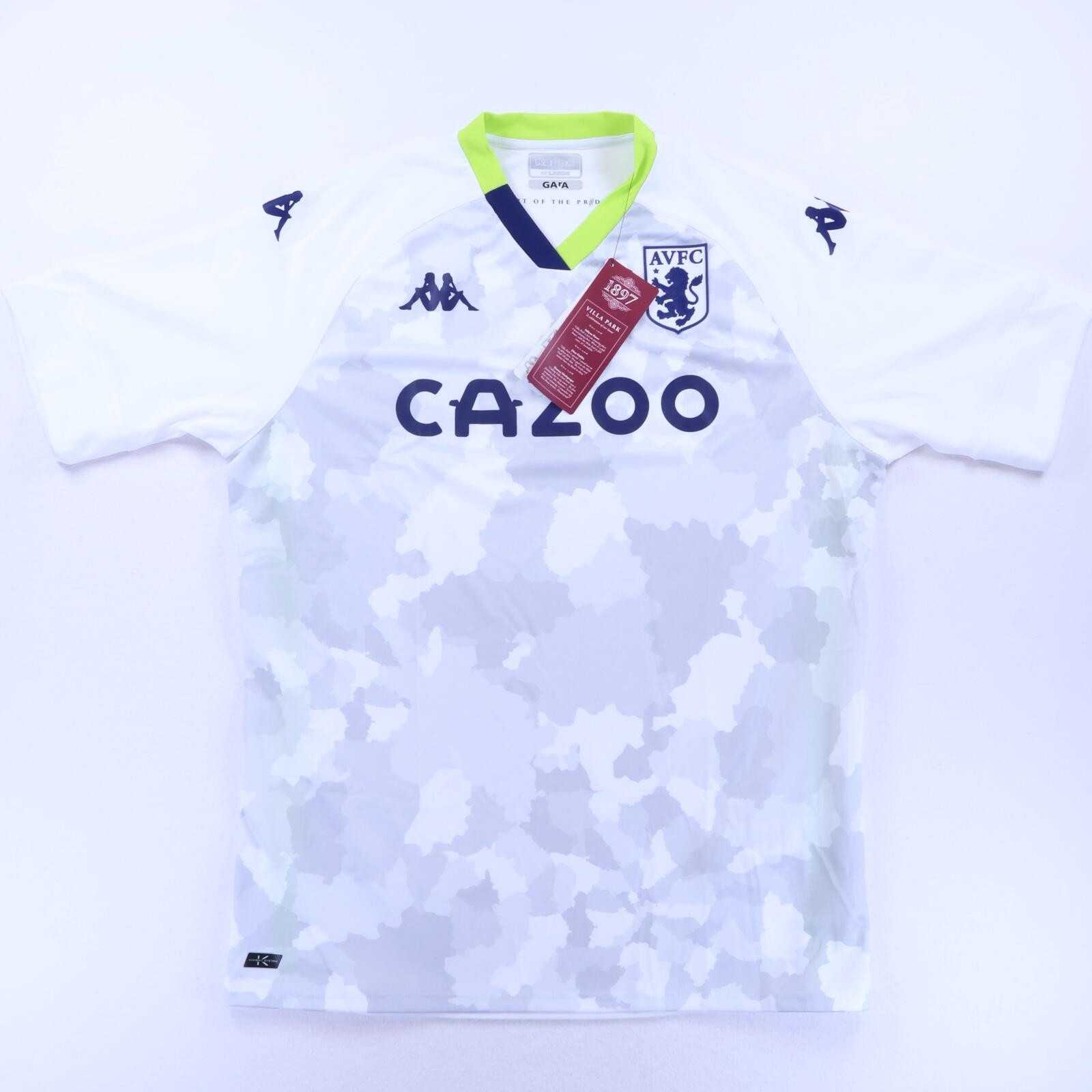
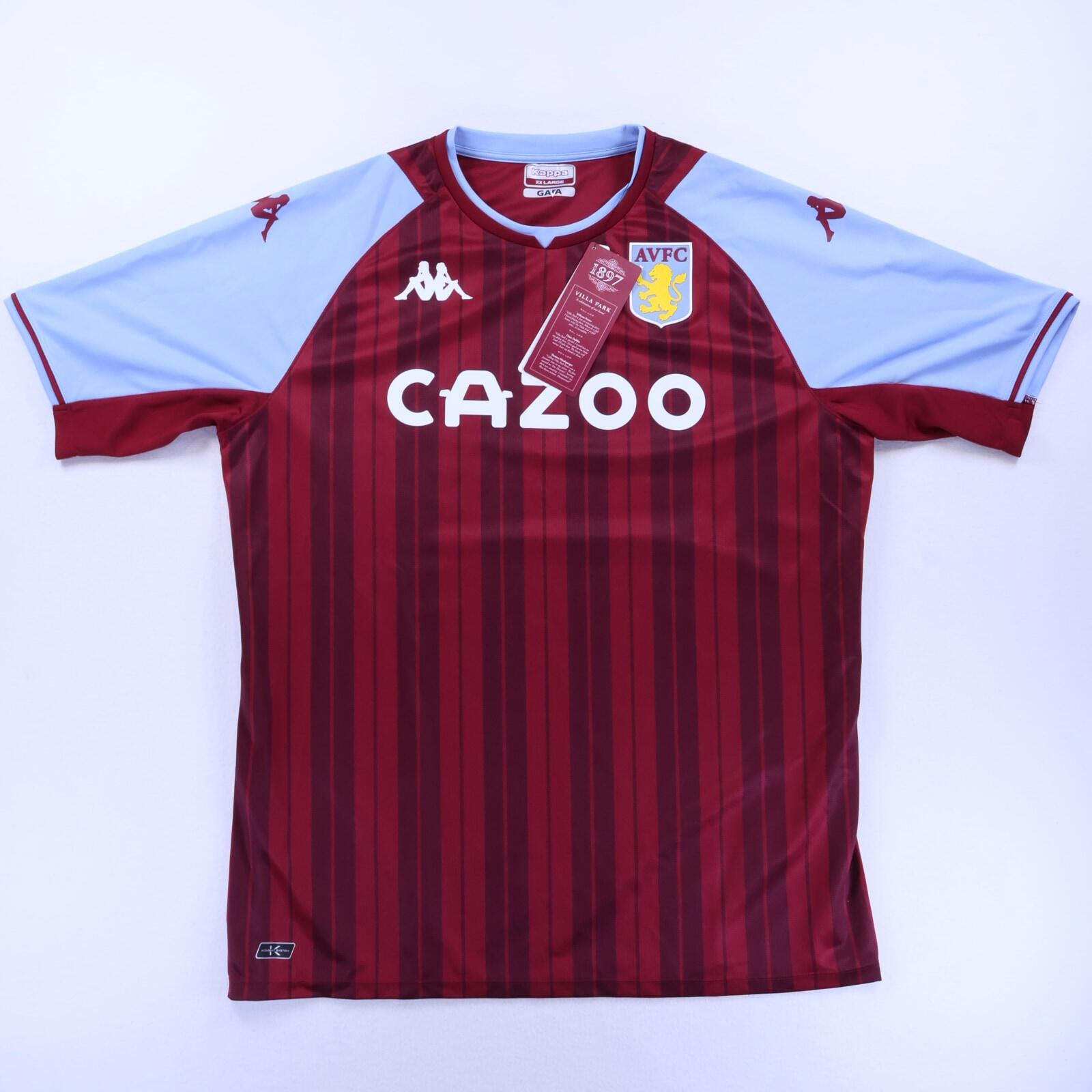
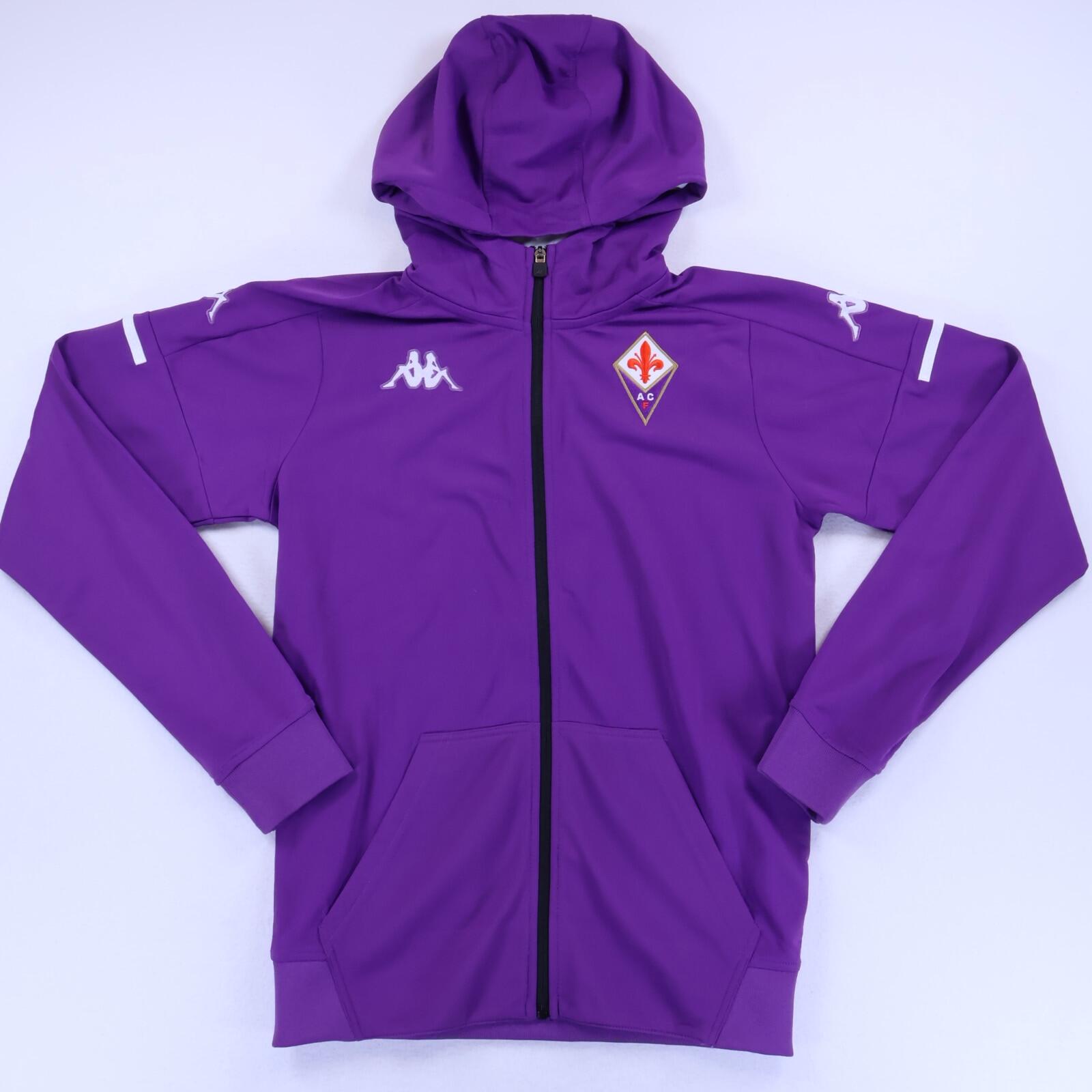
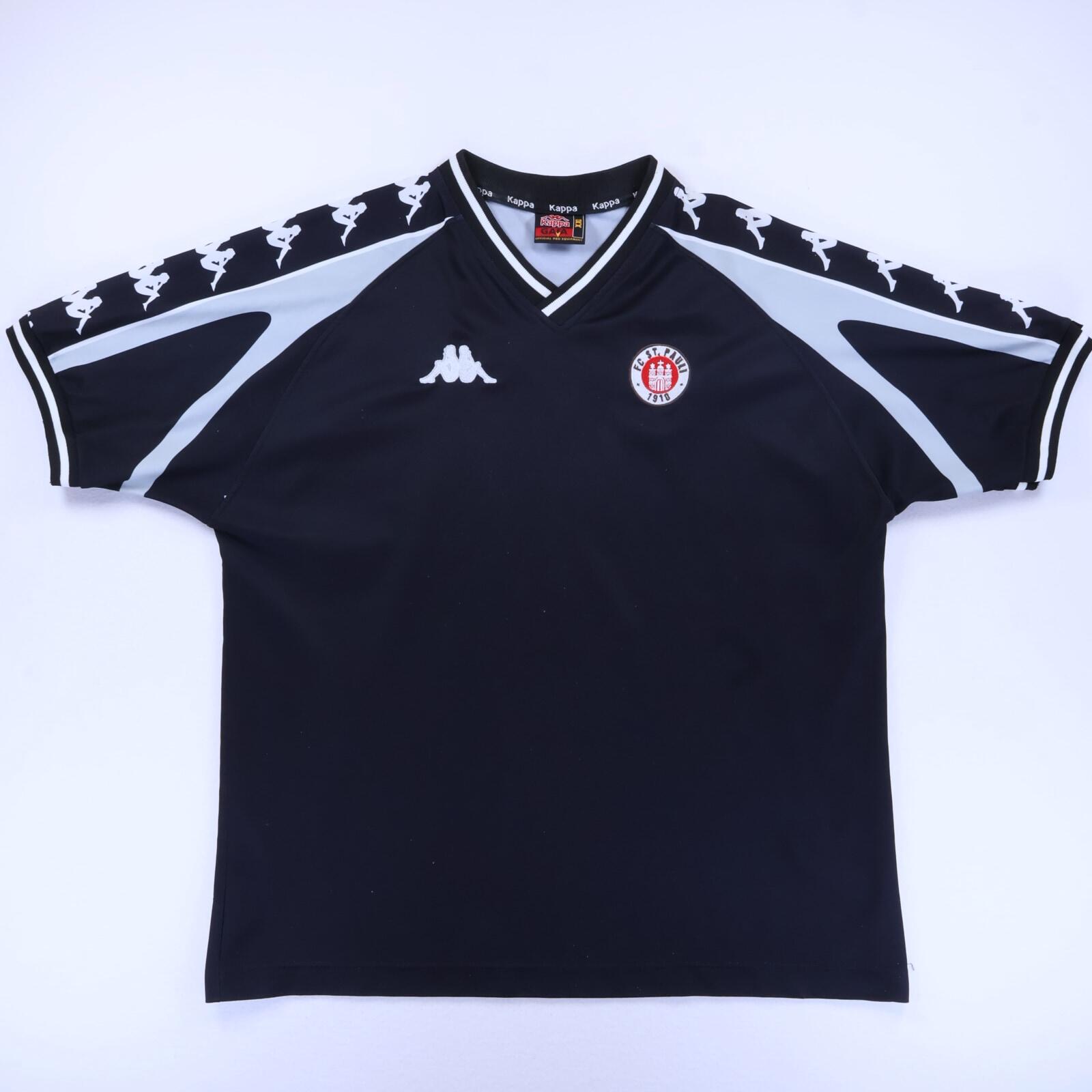
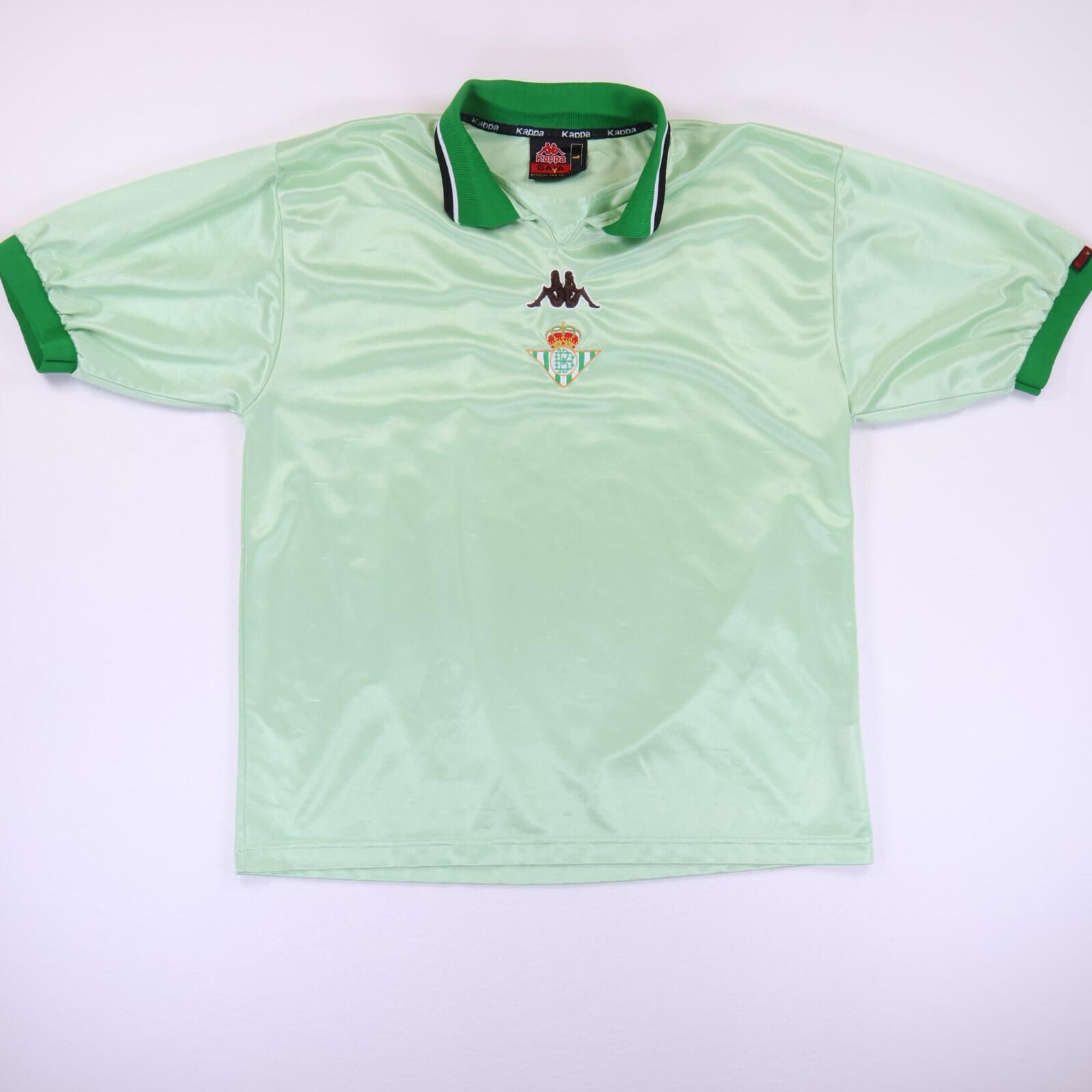
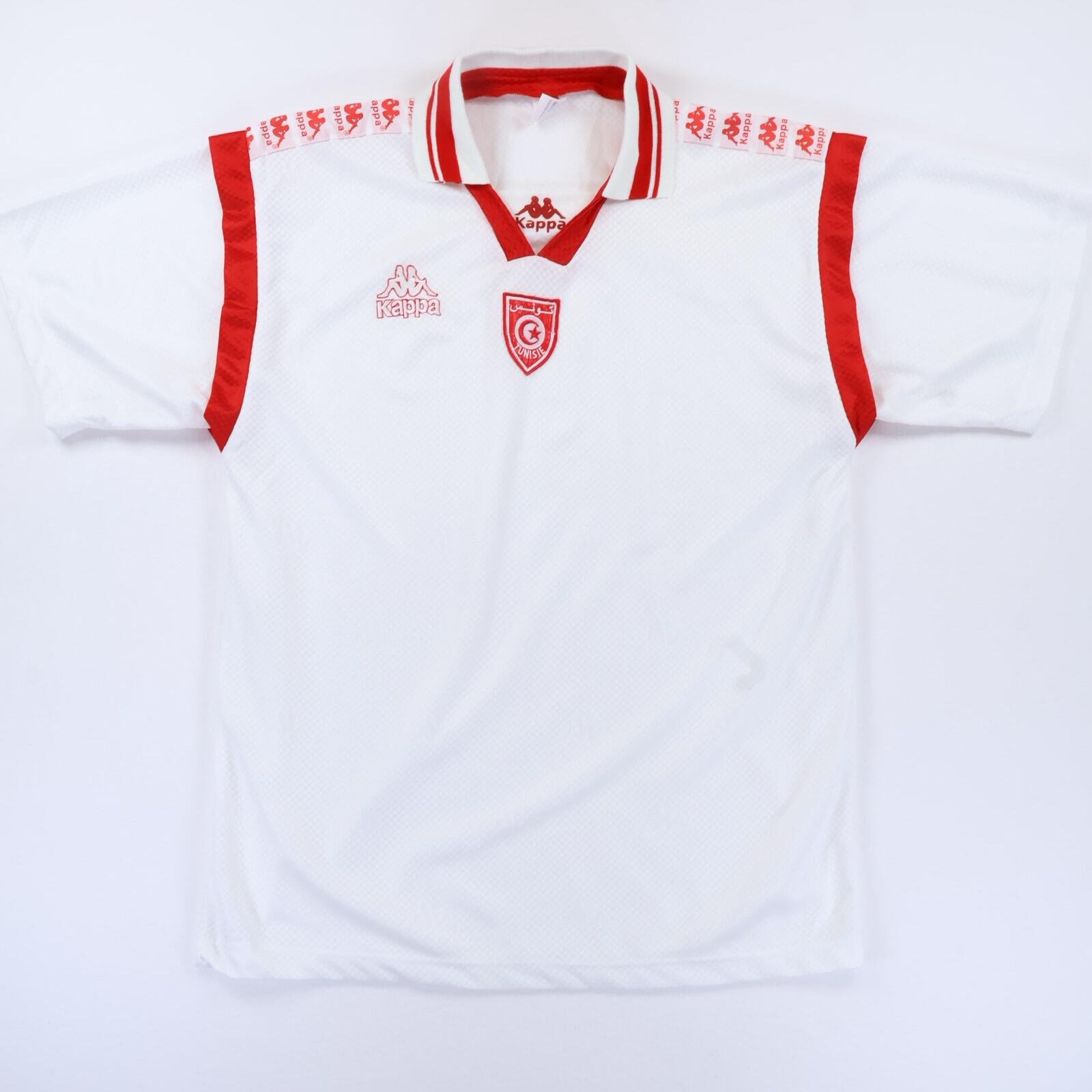
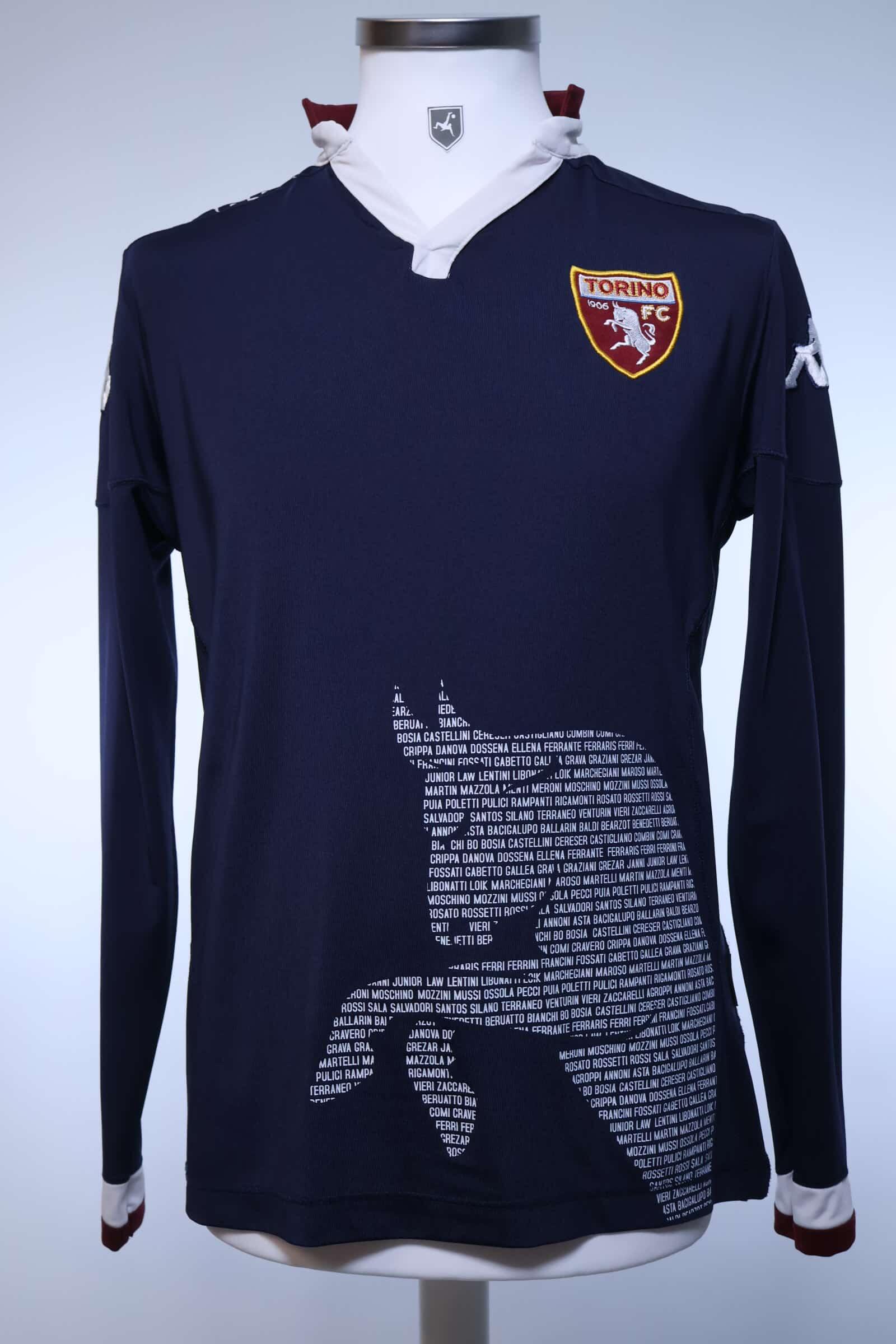
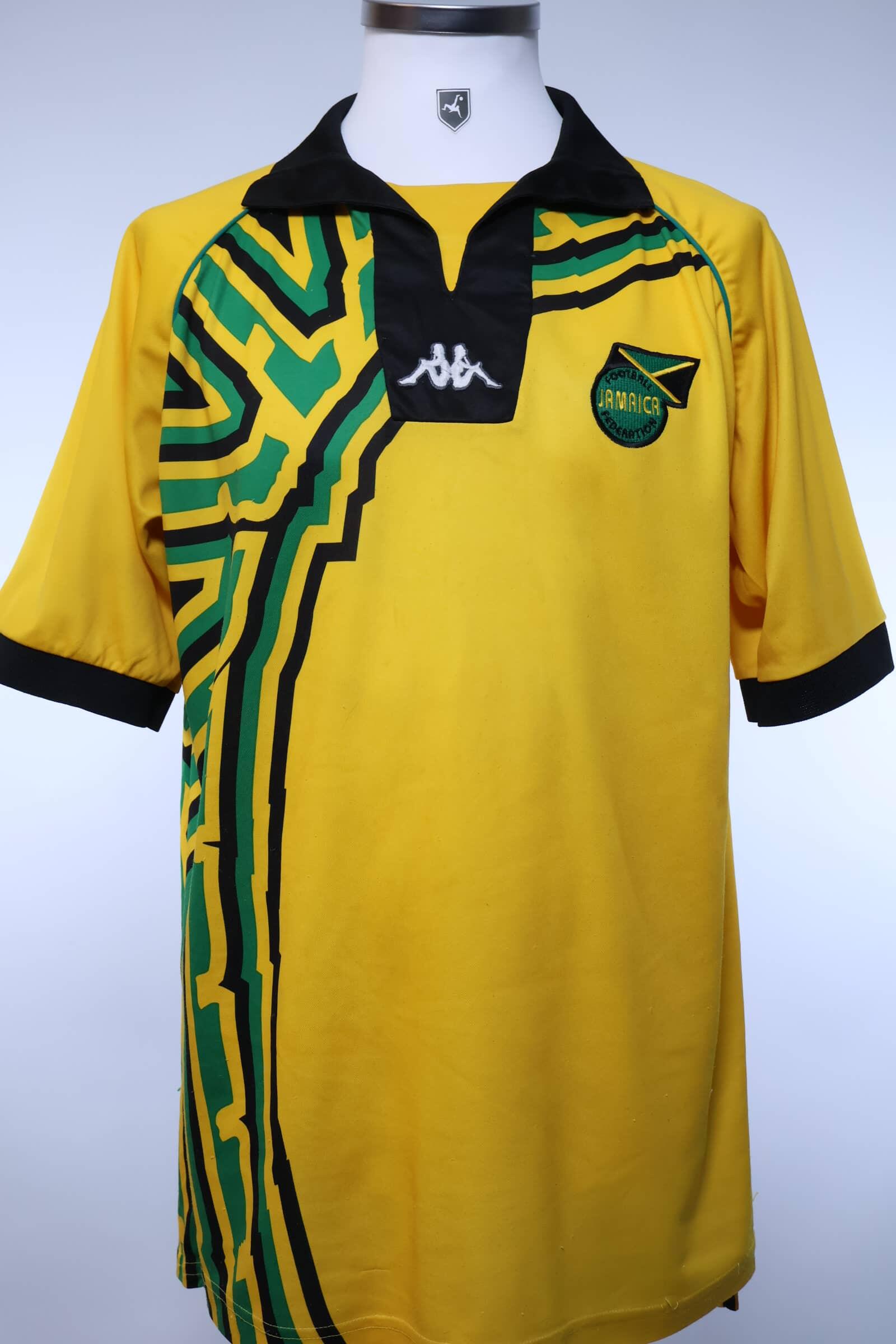
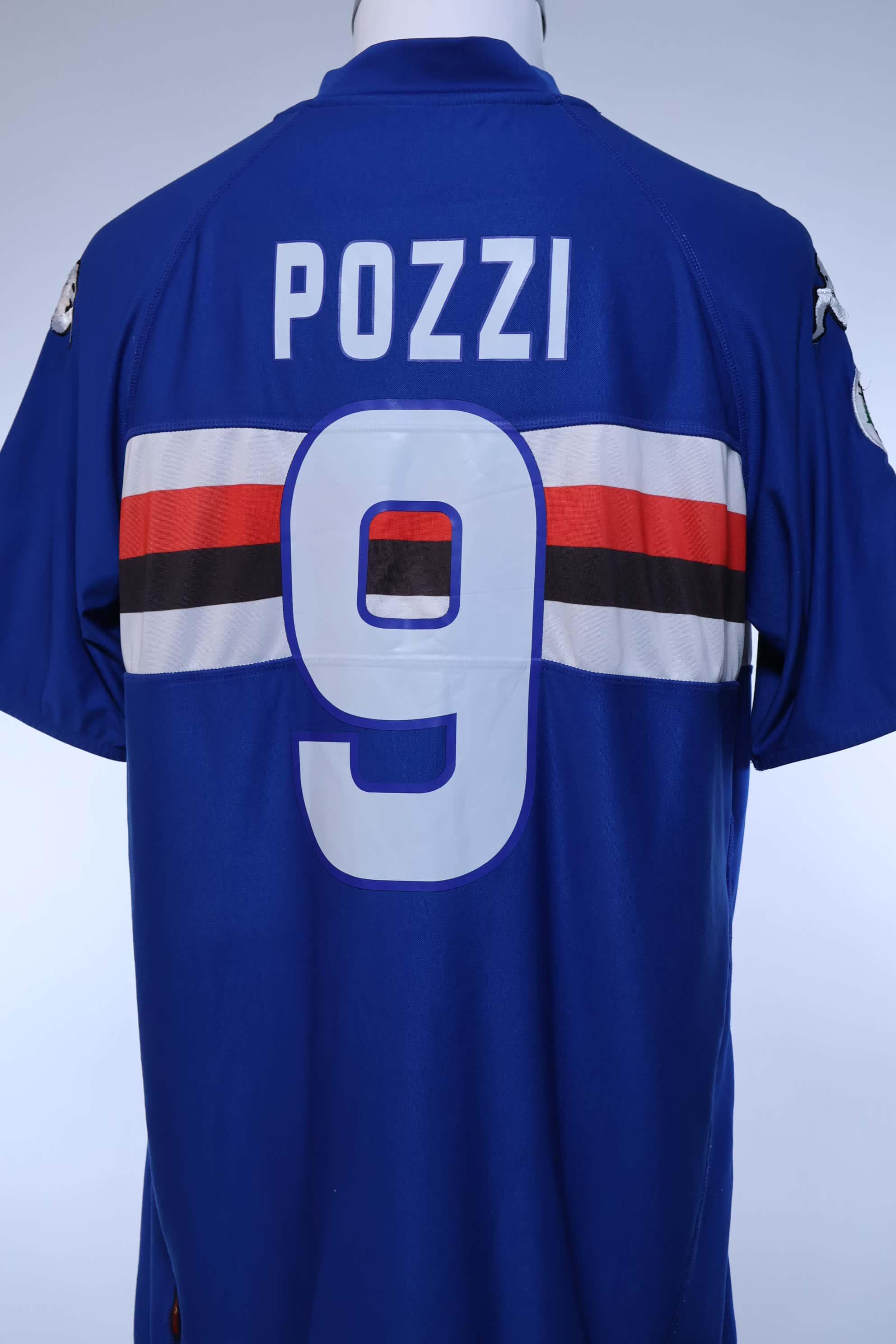
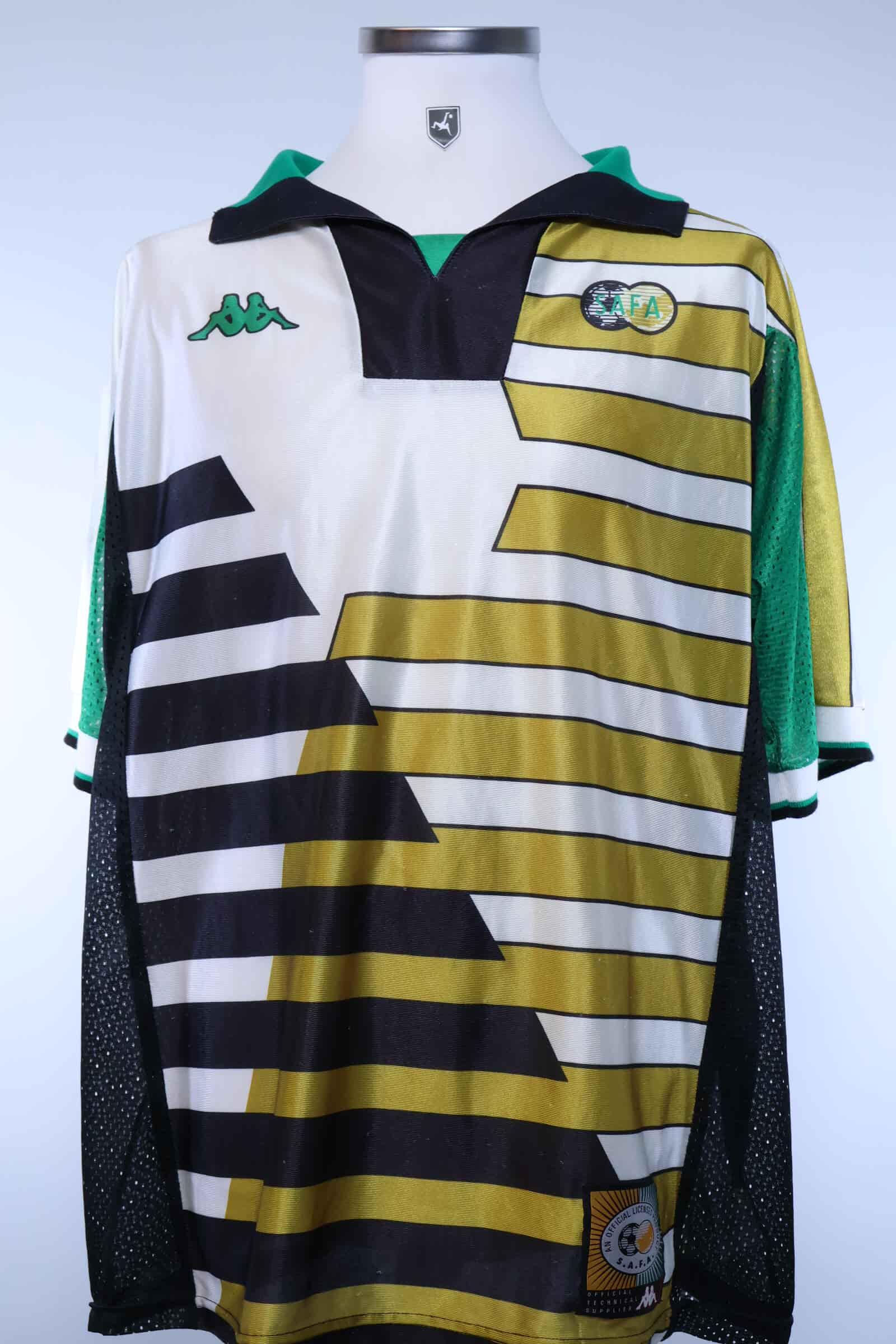
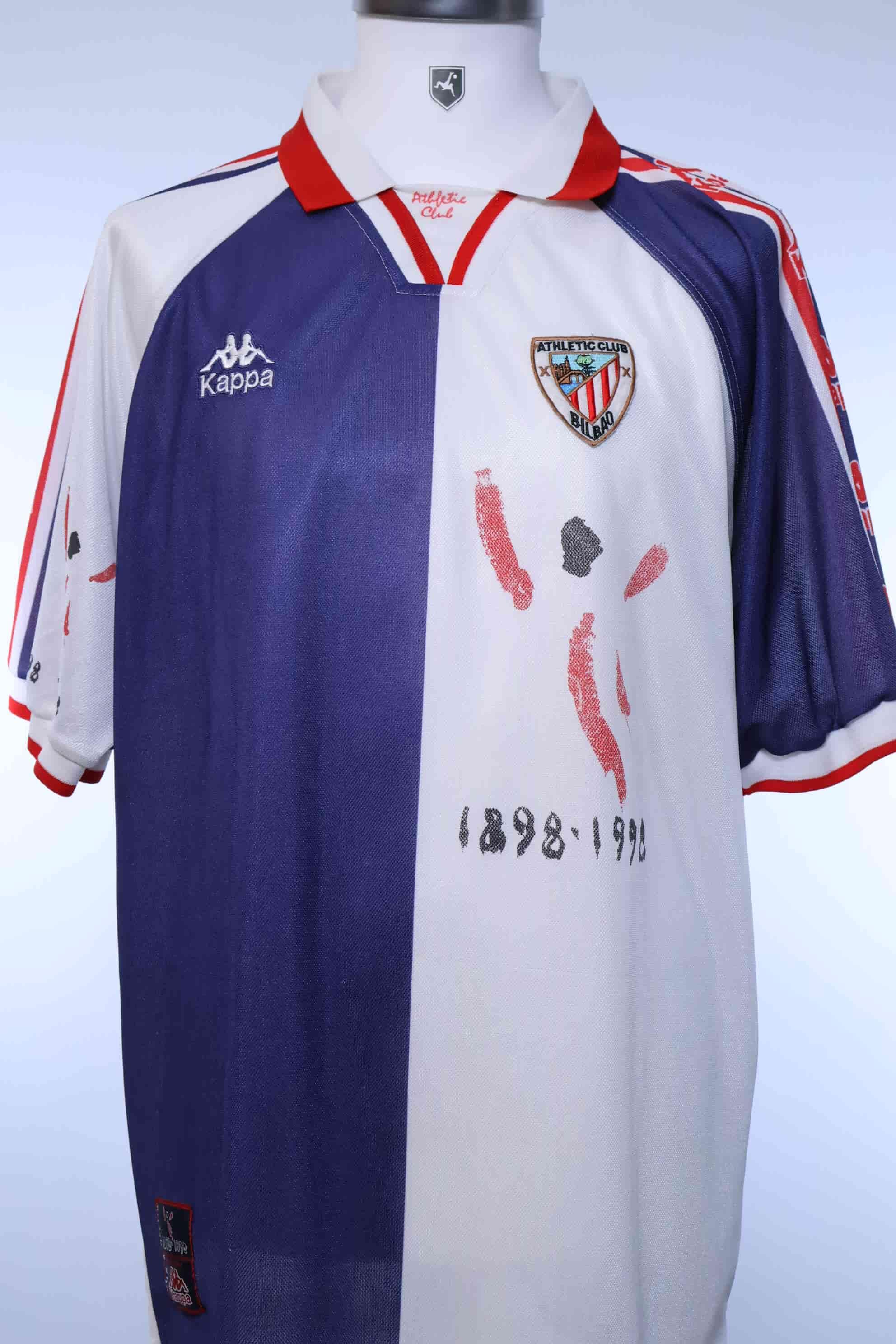
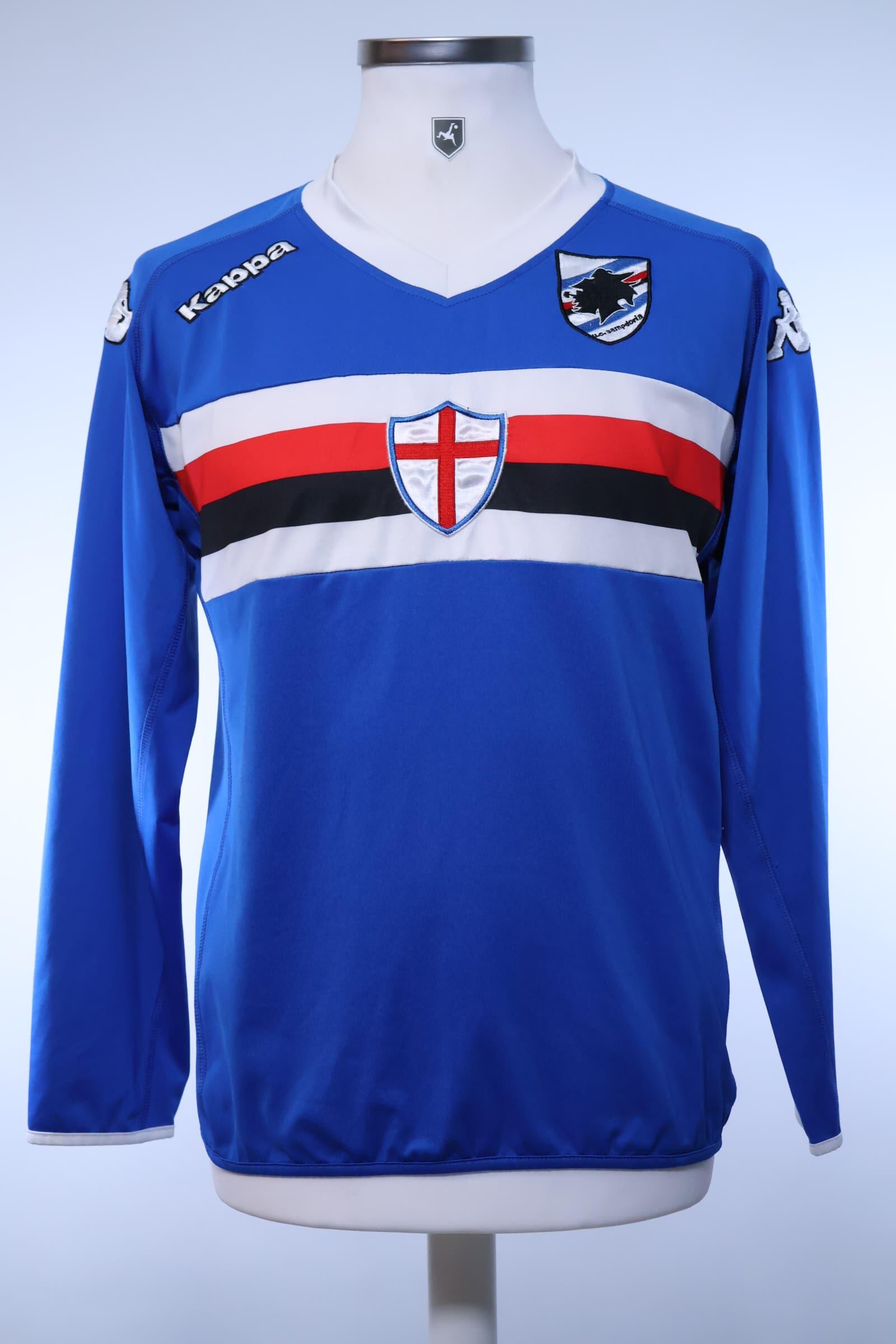
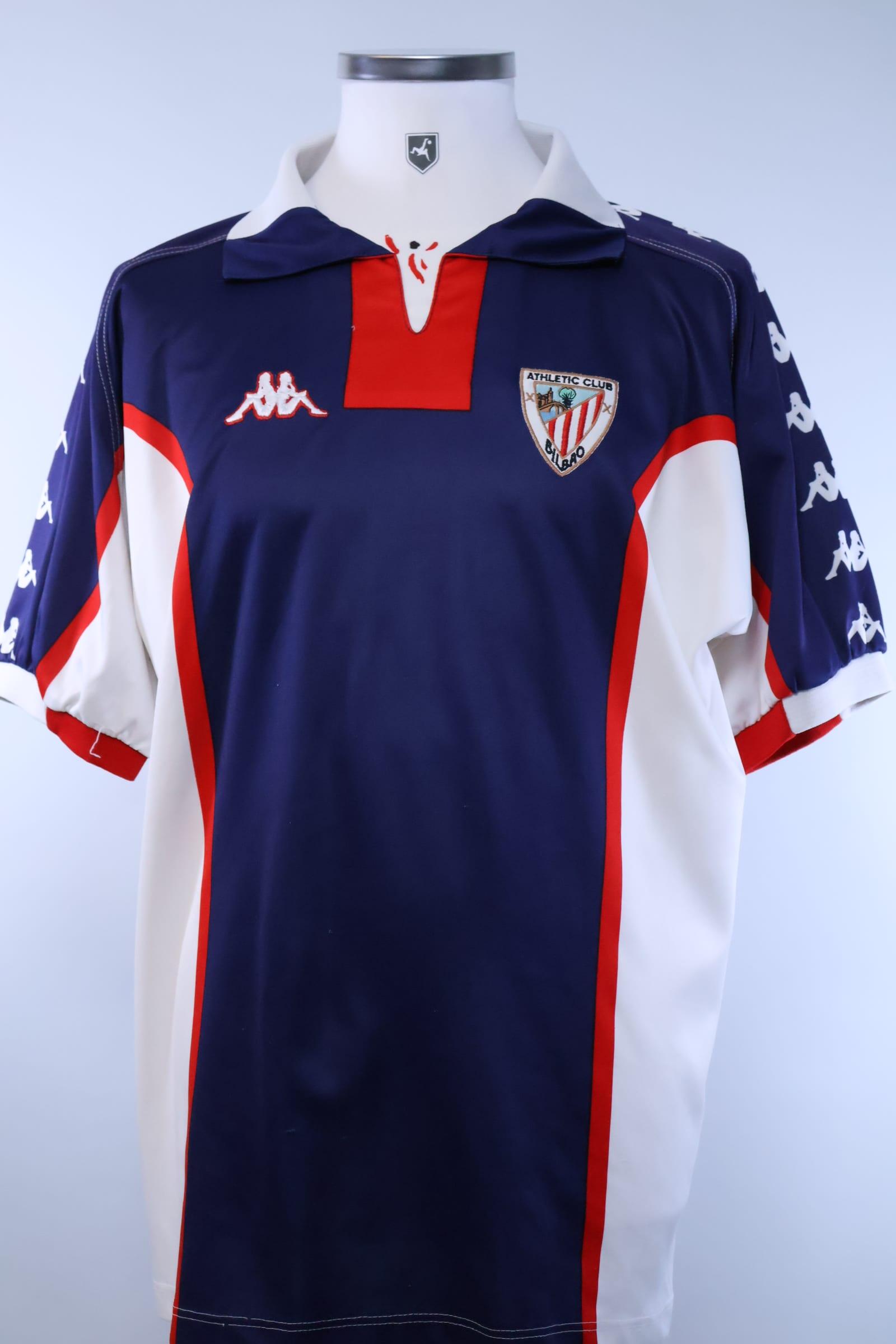
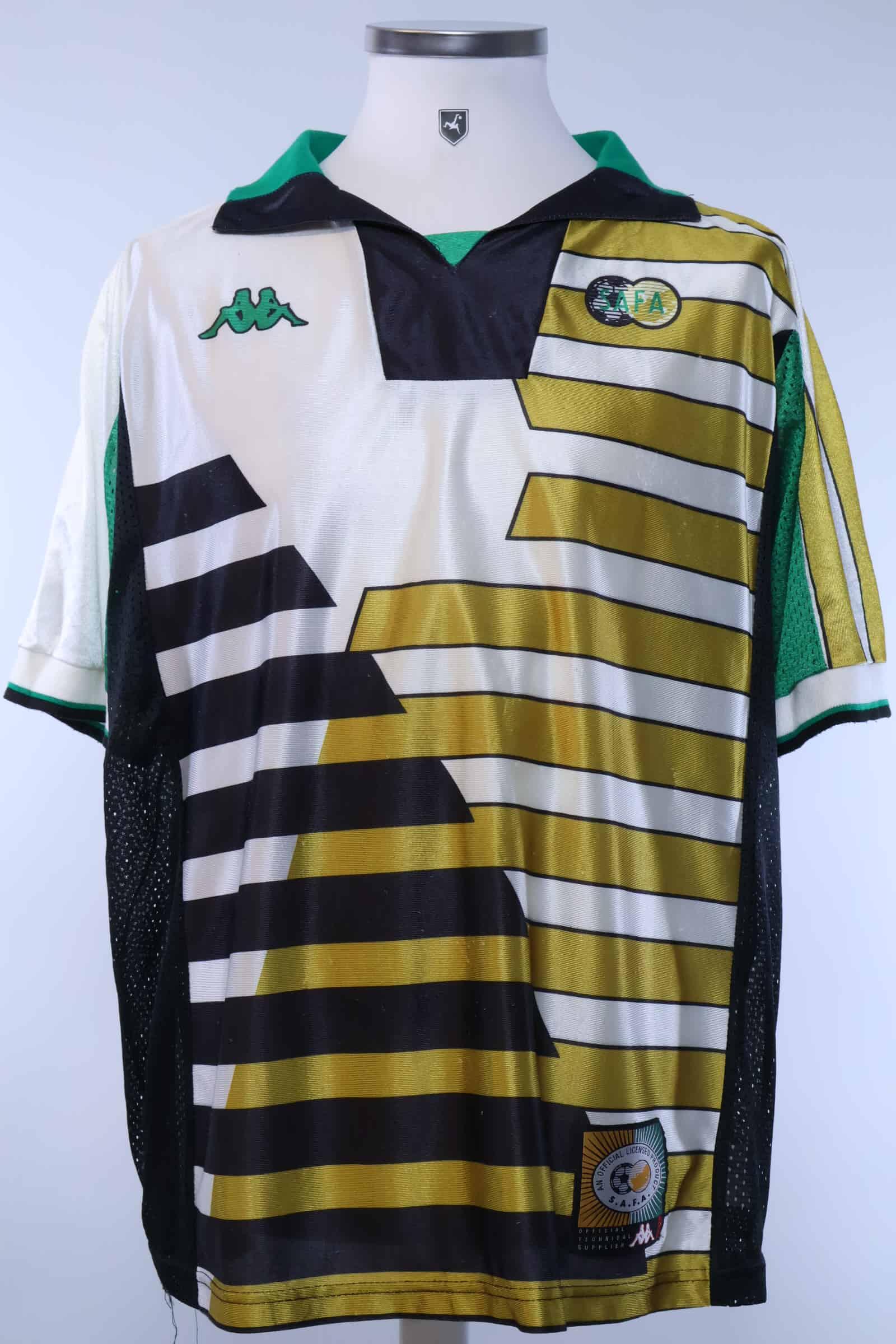
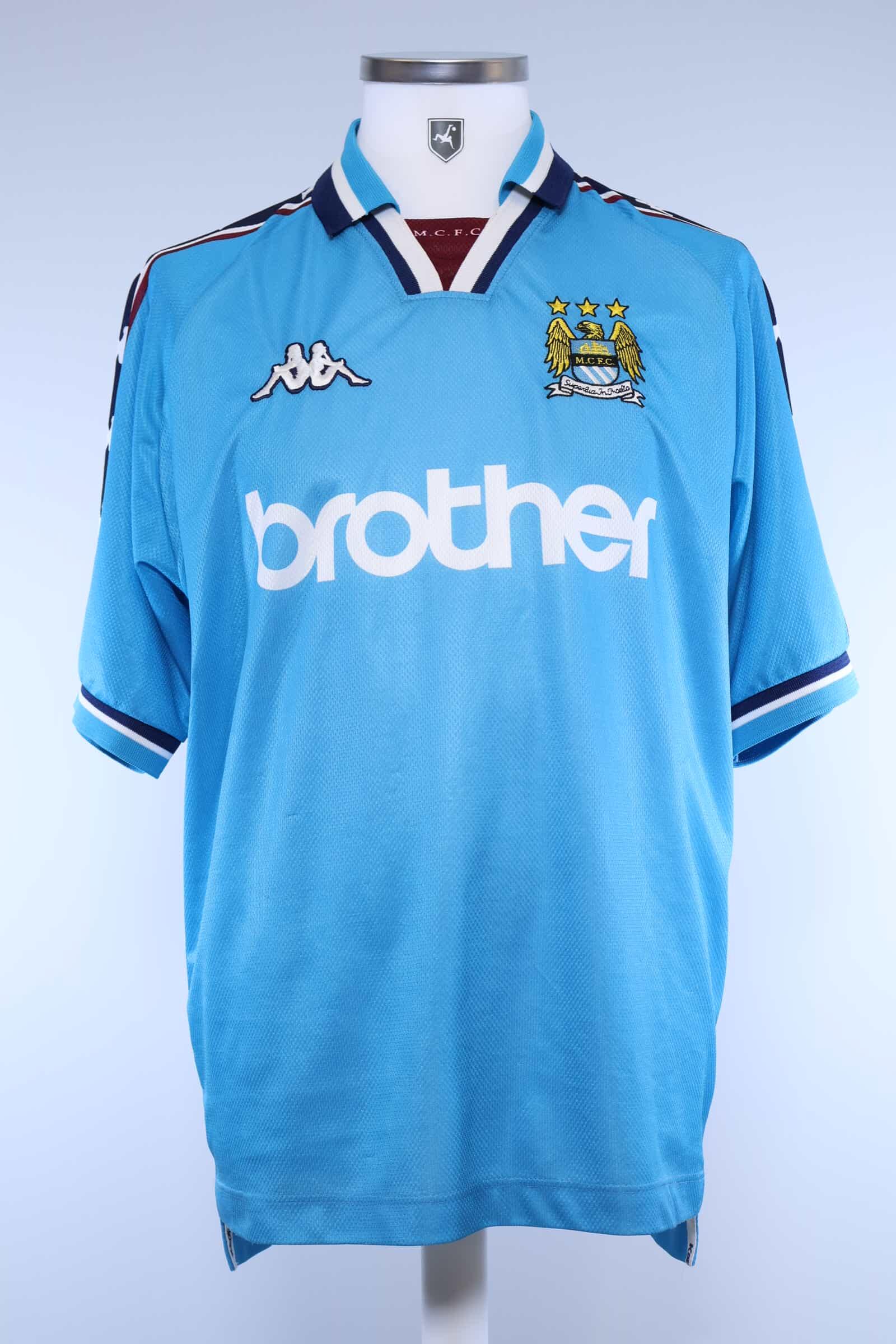
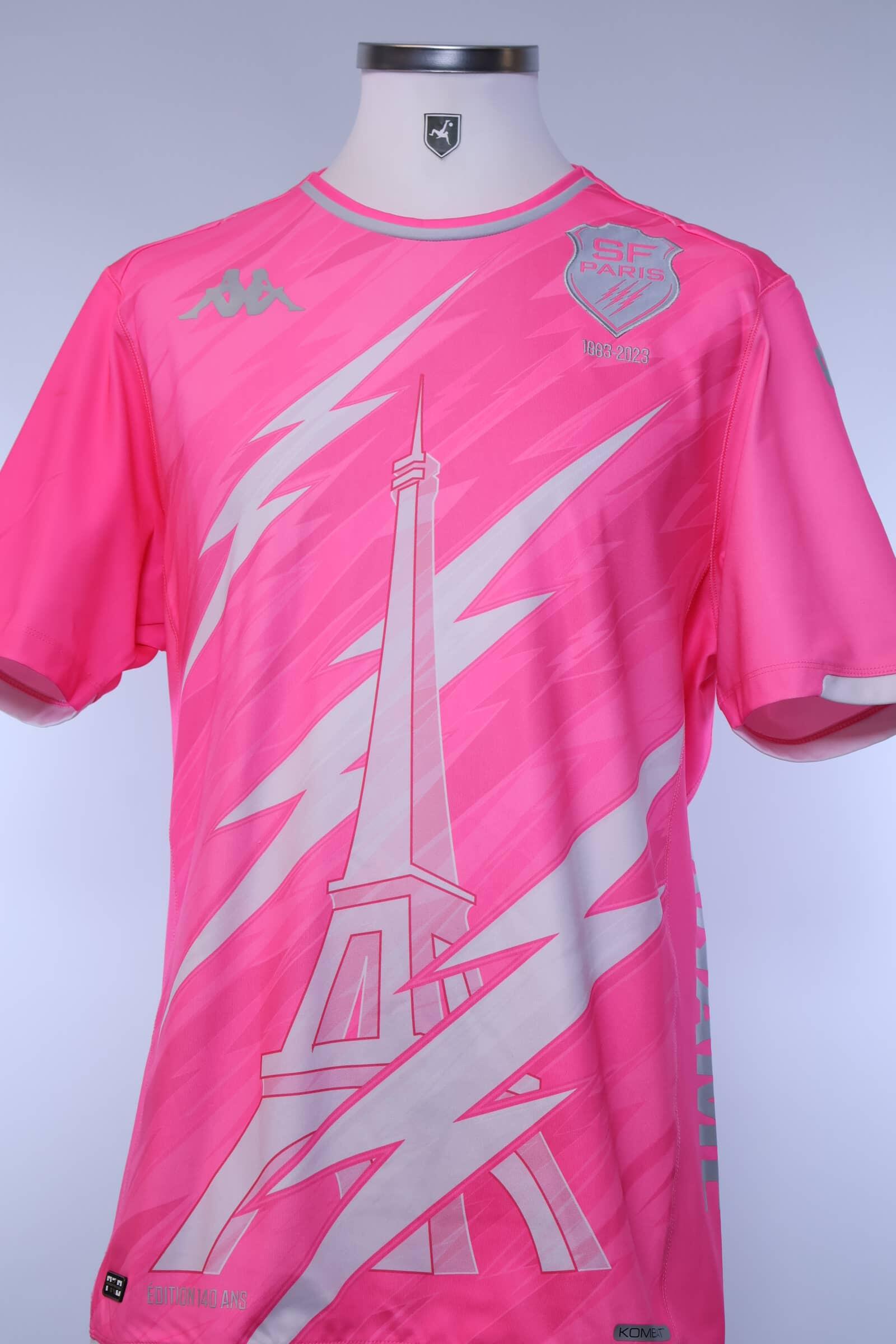
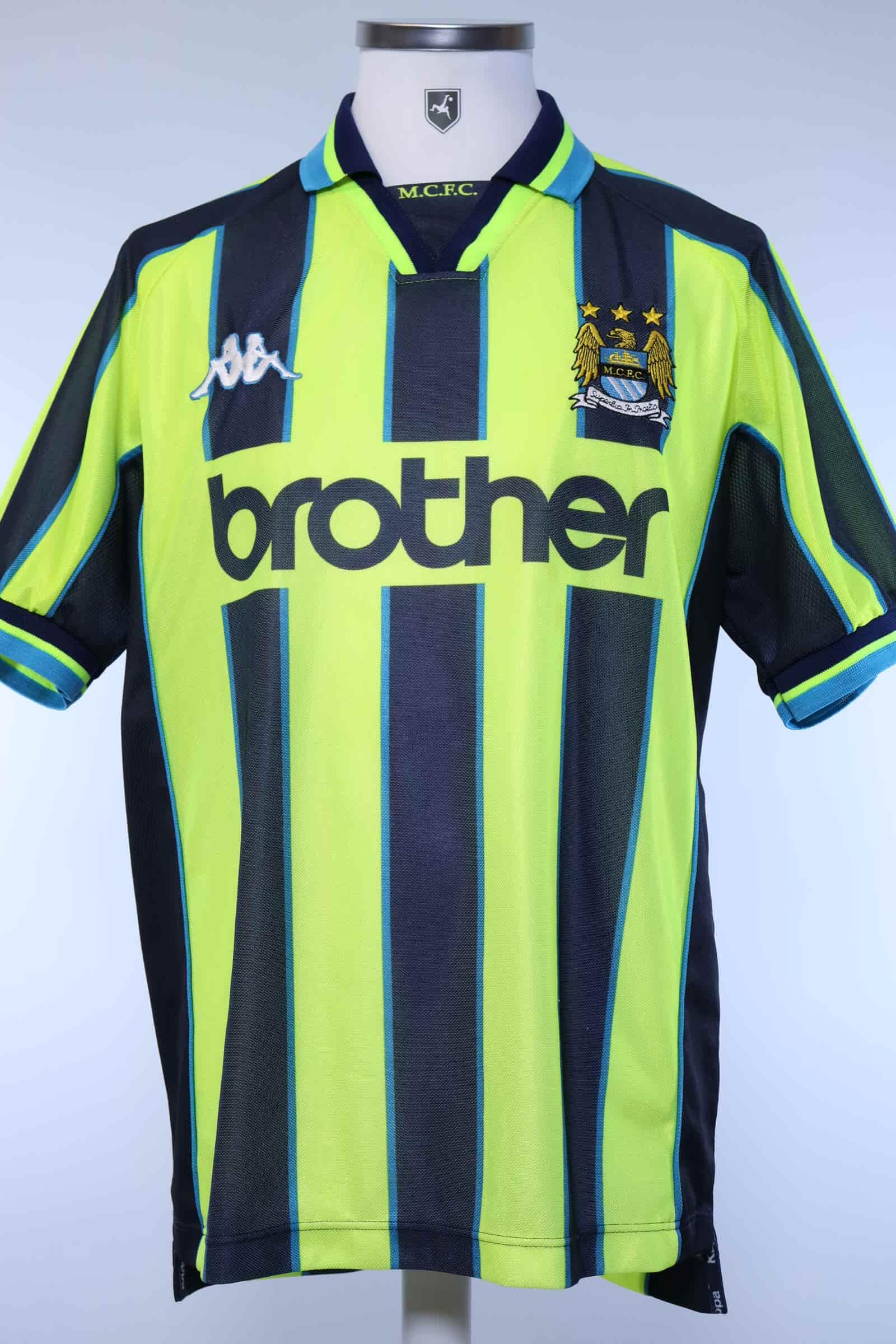
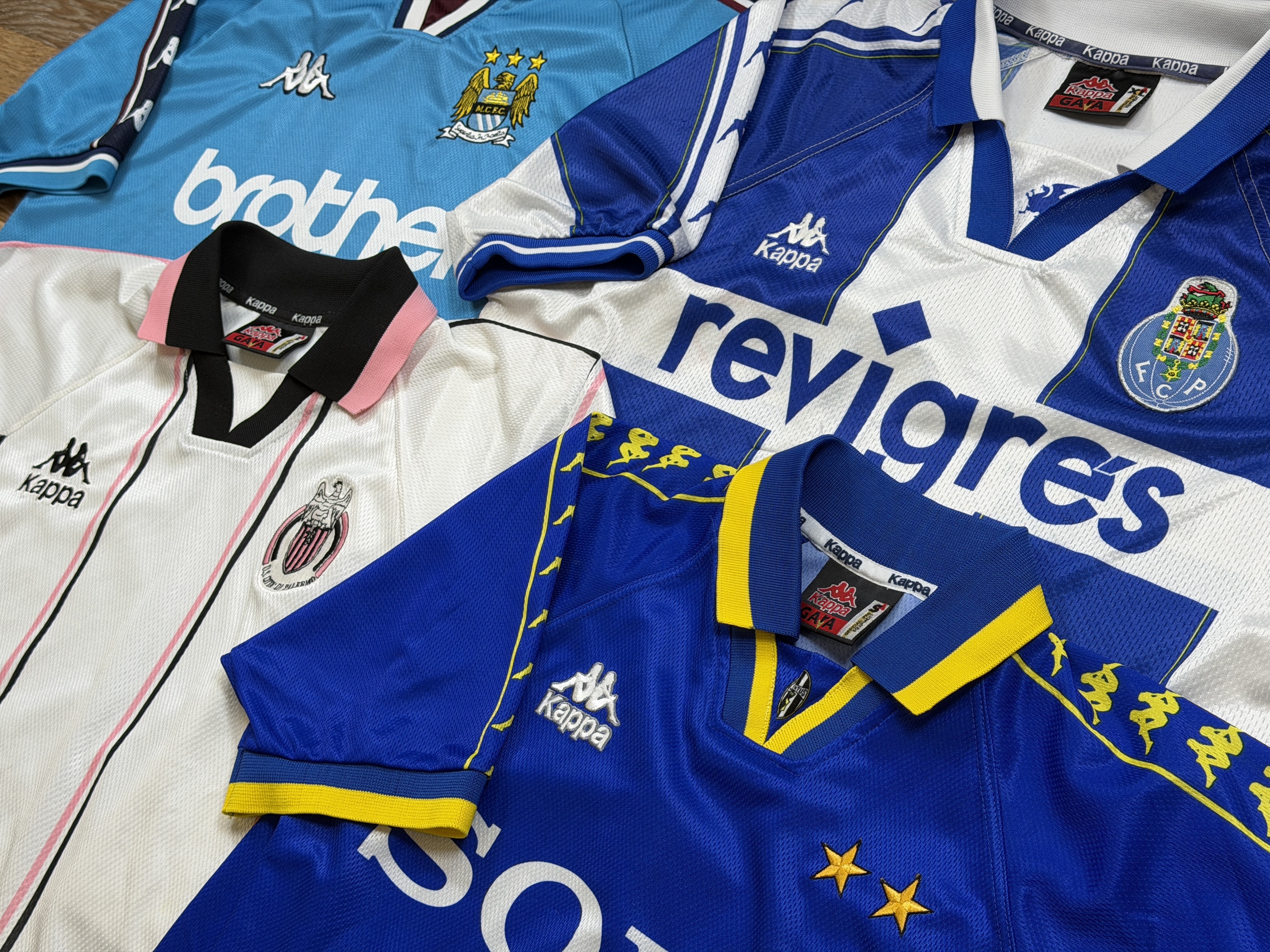
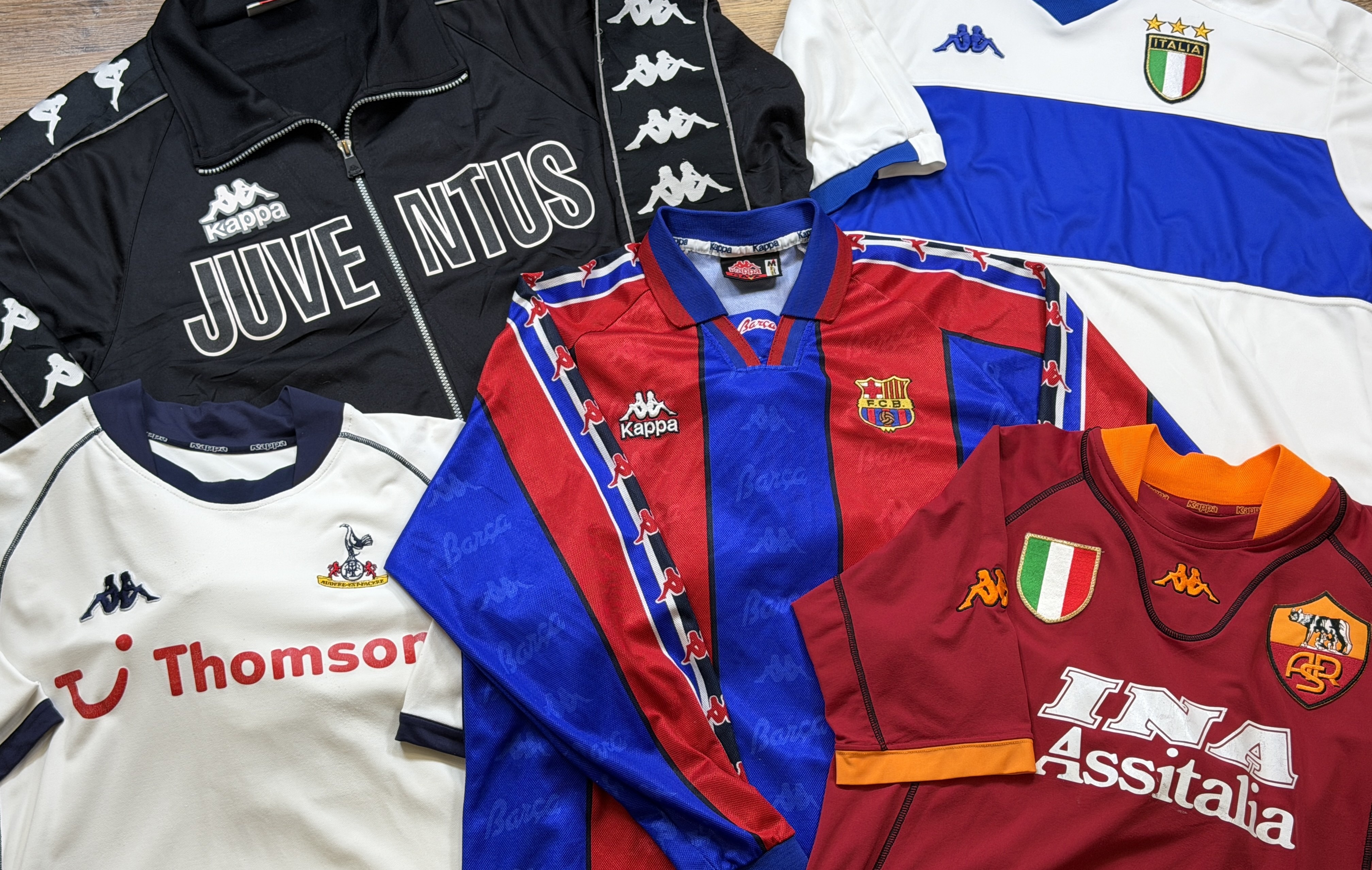
Few sportswear brands have created a football identity as distinctive as Kappa. From black-and-white Juventus shirts in Turin to Barcelona in the 1990s, Italy's revolutionary Kombat kits and Tottenham's unmistakable early-2000s shirts, the Omini logo has appeared across generations of football. Yet the story began long before Kappa entered the game. Its roots stretch back to a Turin textile company founded in 1916, decades before a manufacturing problem helped create the Kappa name and an accidental photograph produced one of sportswear's most recognisable logos. This is the story of Kappa through the shirts, clubs, technology and designs that built its place in football history. Explore every vintage Kappa football shirt currently available from the TopBinz collection. The story behind Kappa begins in Turin on 12 November 1916, when Società Anonima Calzificio Torinese was established. The company originally manufactured socks before expanding further into knitwear and underwear. In 1955, following a merger, the business became Maglificio Calzificio Torinese. A year later an unexpected manufacturing problem helped create the identity that would eventually become Kappa. After customers returned a faulty batch of socks, replacement products were marked with the monogram "K-KONTROLL" as a signal that they had been subjected to stricter quality control. Customers began requesting the products identified by the K, and in 1958 the Kappa trademark was born. A further transformation came under Maurizio Vitale. In 1968 he pushed the company towards informal, unisex clothing under the Robe di Kappa name. Then, during a swimwear photoshoot in 1969, a backlit photograph captured a man and woman sitting back-to-back. Vitale recognised the silhouettes as a powerful visual identity. They became the Omini logo — the symbol that would eventually appear on football shirts around the world. By the late 1970s, Kappa was ready to move properly into sport. Marco Boglione, then working in sales and marketing at Maglificio Calzificio Torinese, encouraged Maurizio Vitale to establish a dedicated sports division. Football became central to that plan. In December 1978, Kappa agreed its first major football sponsorship with Juventus. Club president Giampiero Boniperti and Vitale presented a Juventus shirt carrying the Robe di Kappa identity. The relationship placed the Omini alongside one of Italy's most recognisable football kits. Players including Dino Zoff, Roberto Bettega and Gaetano Scirea wore the branding as Juventus and Kappa developed a partnership that would span different generations of the club. As the partnership developed, Kappa's branding became increasingly integrated into the shirt itself rather than simply appearing as a small manufacturer's mark. The combination of Juventus' black-and-white stripes, the Omini and Kappa's visual identity became one of the foundations of the company's relationship with football. Explore vintage Kappa Juventus shirts currently available from the TopBinz collection. Kappa became Barcelona's technical supplier in 1992, bringing the Omini onto one of world football's most recognisable shirts. The partnership began during the era of Johan Cruyff's Dream Team, immediately after Barcelona had won the club's first European Cup in 1992. Kappa's Barcelona shirts became particularly distinctive during the decade. The Blaugrana colours, bold away kits, collars and repeated Omini branding gave the brand a very different canvas from the black-and-white stripes of Juventus. The partnership also crossed directly into the career of Ronaldo Nazário. During his extraordinary 1996/97 season at Barcelona, Ronaldo wore Kappa as he scored 47 goals in 51 appearances for the club. The Kappa era continued through the 1997/98 season, before Nike became Barcelona's technical supplier in 1998. Explore vintage Kappa Barcelona shirts currently available from the TopBinz collection. The 1990s were not simply a period of football expansion. They also brought a fundamental change in the company behind Kappa. Maglificio Calzificio Torinese entered bankruptcy, and on 28 October 1994 Marco Boglione's Football Sport Merchandise acquired its brands, assets and property at auction. From that takeover emerged the business model that became BasicNet. Kappa was relaunched during the second half of the decade while retaining the sporting identity built over the previous years. At the same time, Kappa was becoming increasingly visible outside stadiums. Repeated Omini branding and the Banda became a major part of 1990s sportswear, particularly in Britain. Football and fashion were beginning to overlap. The same visual language appearing on Kappa football shirts was also increasingly visible in everyday sportswear and street culture. In 1999, Kappa became technical sponsor of the Italian national football team. That partnership produced one of the defining developments in the company's football history: the Kombat shirt. Developed by Kappa's research and development team, the Kombat 2000 moved sharply away from the loose football-shirt silhouettes that had dominated much of the previous decade. Instead, the shirt fitted closely to the player's body and used highly elastic technical material. Kappa promoted the idea under the phrase "stop stopping". If an opponent pulled the shirt, the material could stretch substantially rather than immediately stopping the player. The distortion of the fabric was also intended to make holding more obvious to match officials. Italy wore the fitted design at Euro 2000 and reached the final of the tournament. The shirt looked radically different from many of the designs around it and became one of the defining images of Kappa's technical approach. Explore vintage Kappa Italy shirts currently available from the TopBinz collection. The Kombat concept quickly became associated with club football as well as the Italian national team, and few teams became more closely linked with its early appearance than Roma. During the 2000/01 season, Kappa supplied Roma with the close-fitting shirts that became synonymous with the first generation of Kombat club kits. It was also an historic season for the club. Roma won Serie A for the third time in their history, meaning Kappa's distinctive fitted designs became directly associated with a championship-winning side. Roma's shirt designs from this period demonstrated how the Kombat concept could become part of a club's identity rather than simply a technical experiment. For collectors today, the early-2000s Roma shirts remain among the clearest examples of the transition from the baggier 1990s football shirt to the more fitted designs that followed. Kappa's Kombat identity arrived prominently in English football when Tottenham Hotspur announced a new four-year agreement with the Italian brand in April 2002. The agreement began on 1 July 2002 and introduced Spurs to Kappa's Kombat 2002 technology. Tottenham described the player's shirt as using a blend of Meryl Microfibre and Lycra. According to the club's launch material, its elasticity allowed the shirt to stretch by as much as 130%. The idea continued the principle behind the original Kombat: reducing the effect of shirt pulling while making the action more visible. Visually, the kits were equally distinctive. Their fitted silhouette contrasted sharply with many of the oversized football shirts of the previous decade. The combination of traditional white Spurs shirts, repeated Omini logos and the fitted Kombat construction has made this period particularly recognisable among vintage football shirt collectors. Explore vintage Kappa Tottenham shirts currently available from the TopBinz collection. Kappa's relationship with Roma did not end with the first generation of Kombat shirts. The brand returned as Roma's technical sponsor in 2007, beginning another six-season period in which the Omini became part of the club's visual identity. This second spell produced another generation of distinctive Roma shirts, including designs worn by Francesco Totti during the later stages of his career. Roma continued to wear Kappa-branded technical apparel through the end of the 2012/13 season. The two separate Kappa eras mean Roma offers a particularly useful way to see how the brand's football design changed: from the first skin-tight Kombat shirts at the start of the millennium to more developed versions of the concept more than a decade later. Explore vintage Kappa Roma shirts currently available from the TopBinz collection. Kombat did not remain a one-off experiment. Kappa continued to develop the concept through later generations of technical football shirts. At the same time, the Omini continued to connect two sides of the Kappa identity: performance sportswear and fashion. The same symbol that appeared on Juventus, Barcelona, Italy, Roma and Tottenham shirts also remained central to Kappa's wider sportswear and streetwear presence. That combination is a major reason vintage Kappa football shirts remain so distinctive. The company's history is not simply a catalogue of the teams it supplied. It is also a story of sports sponsorship, graphic identity, clothing technology and football fashion evolving alongside one another. From the black-and-white stripes of Juventus to the fitted Kombat shirts of the early 2000s, the Omini has remained one of football kit design's most recognisable symbols.KAPPA
Shop All Vintage Kappa Shirts
From Turin to the Omini

Juventus: Kappa Enters Football
Shop Kappa Juventus Shirts
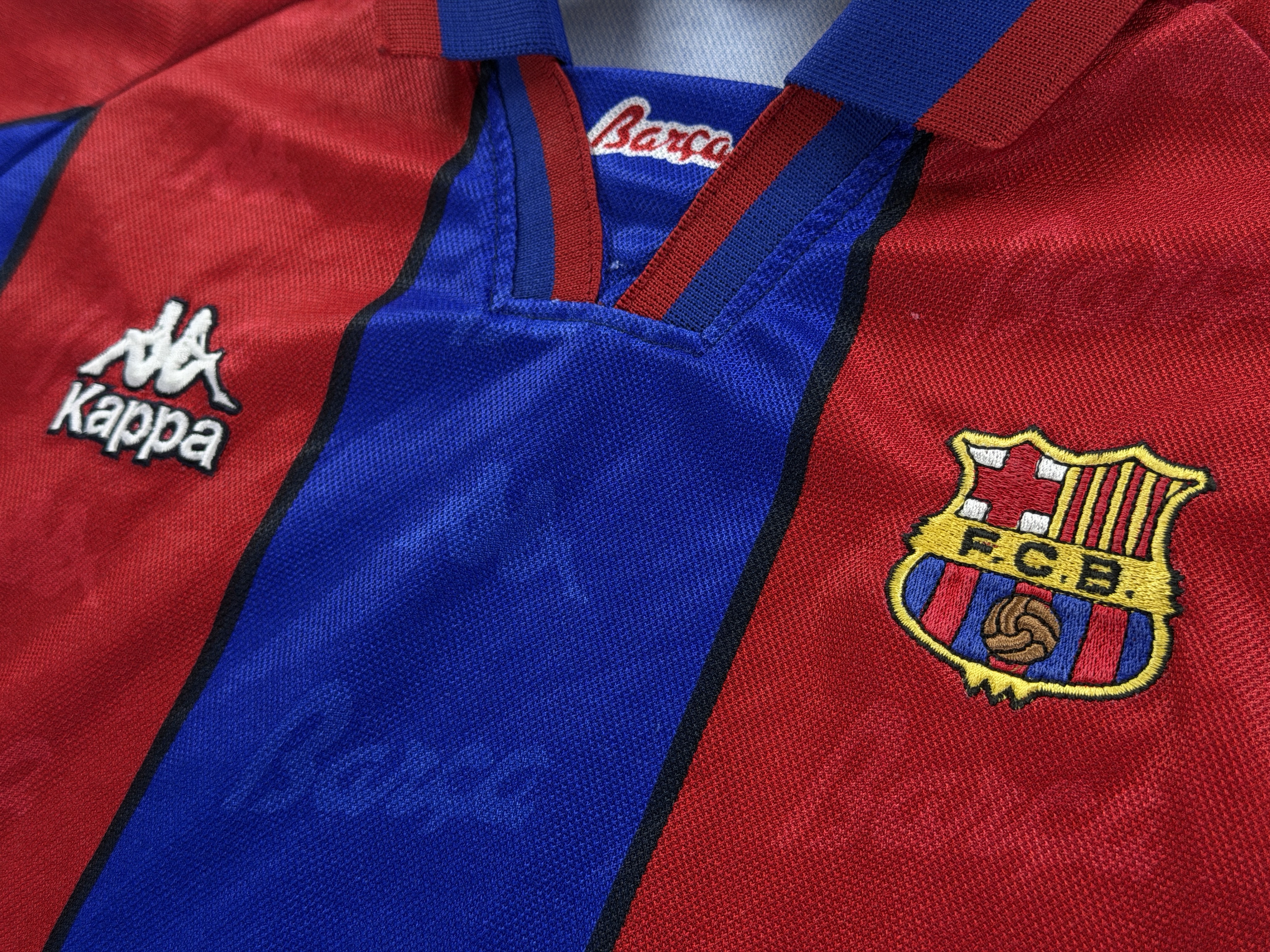
Barcelona
Shop Kappa Barcelona Shirts
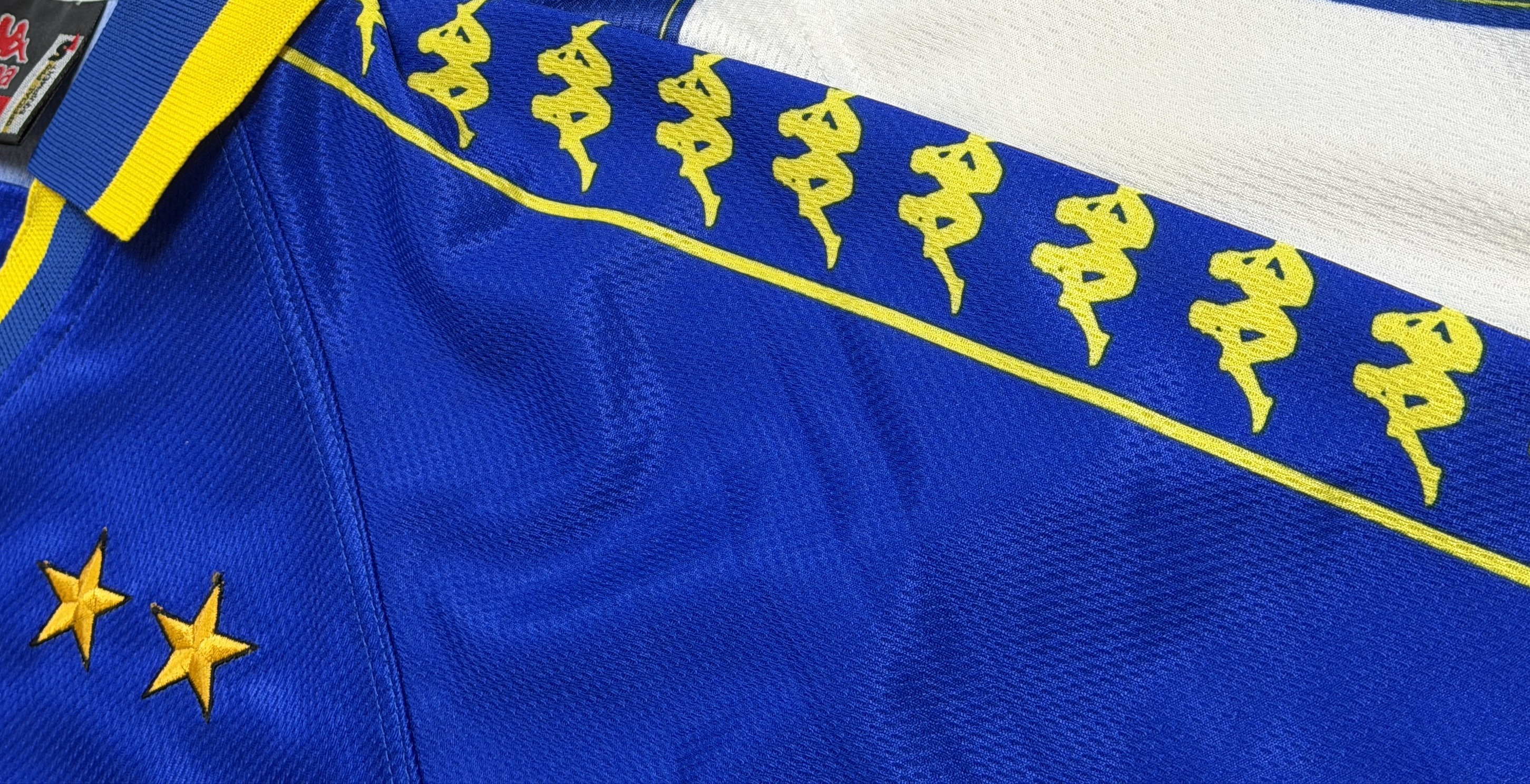
The Rebirth of Kappa

Italy & the Birth of Kombat
Shop Kappa Italy Shirts
Roma & the Kombat Era
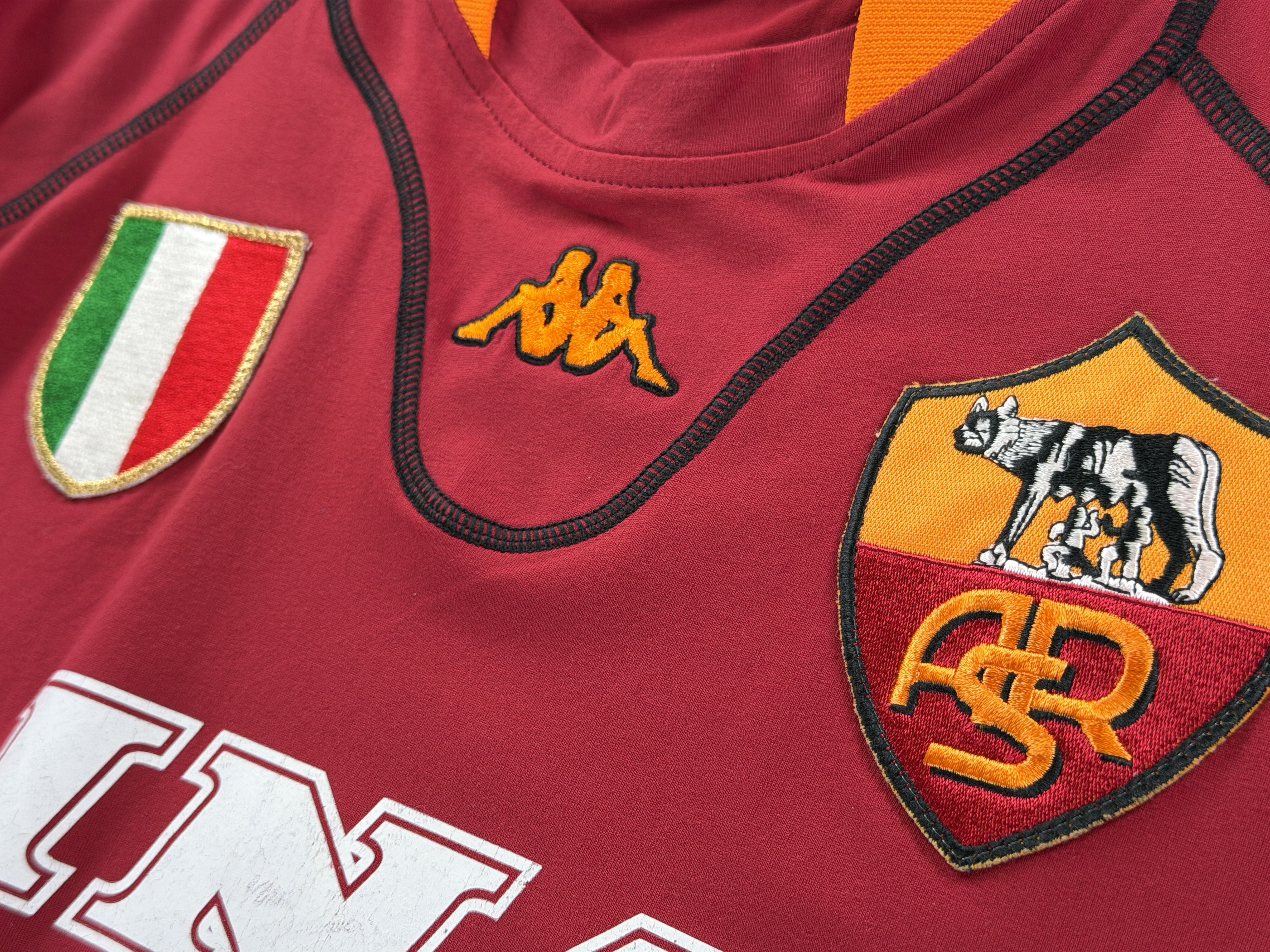

Tottenham: Kombat Comes to England
Shop Kappa Tottenham Shirts

Kappa Returns to Roma
Shop Kappa Roma Shirts
The Kappa Legacy
1916–1969
1978 ONWARDS
1992–1998
1994–1999
1999–2000
2000–2003
2002–2006
2007–2013
2000s–PRESENT